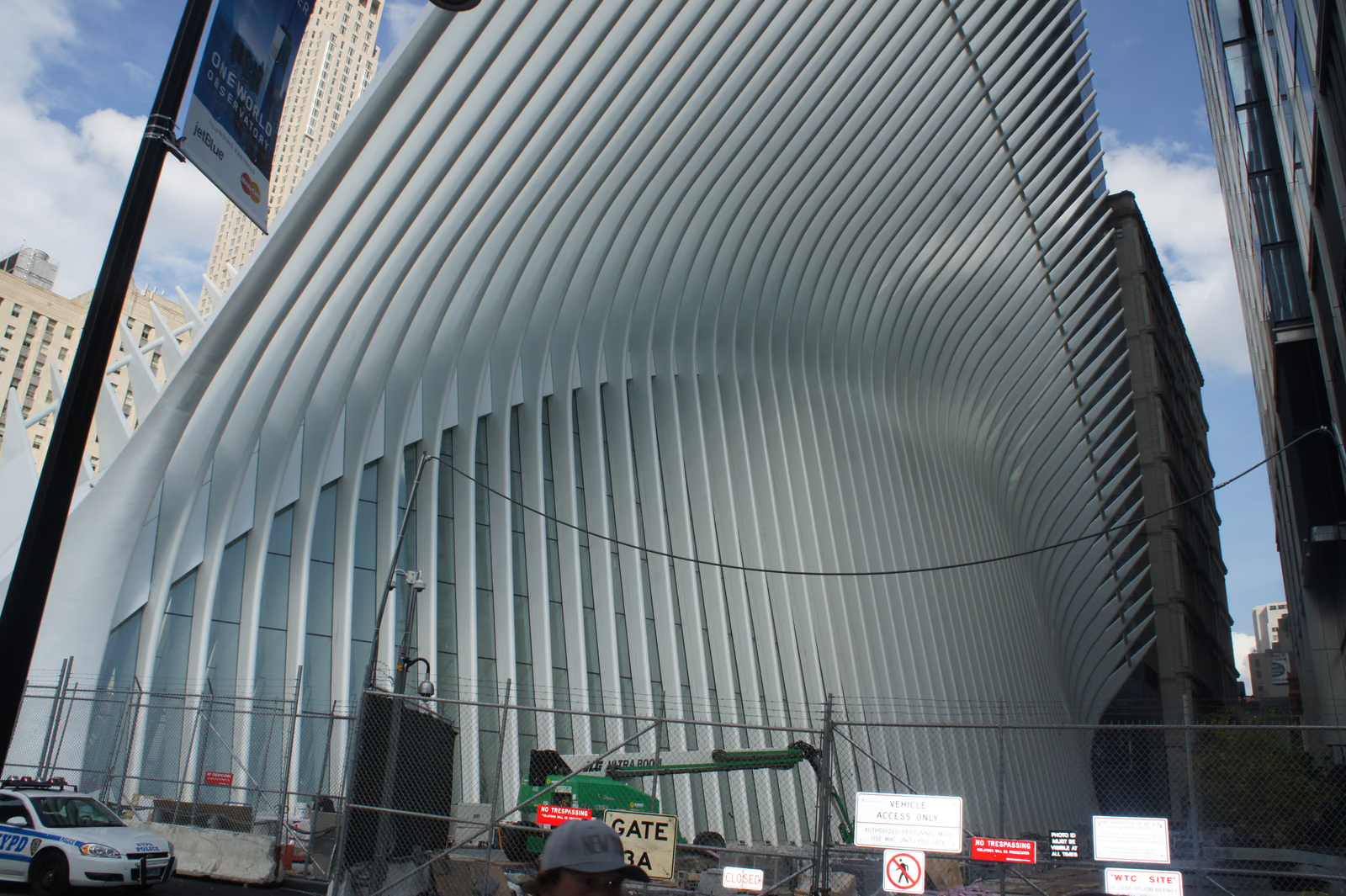
Calatrava's brief was a PATH-and-subway interchange for Lower Manhattan, and he gave it a single image: a white steel rib cage, 107 metres long, opening like two wings around a glazed skylight running the length of the main hall. The ribs were engineered to let a section of the roof slide open on the anniversary of the September 11 attacks, a gesture cut for cost before completion. Structural steel went up from 2010 over the working PATH tracks it had to span without interrupting service, a sequencing problem that drove much of a nearly seven-year delay past the original 2009 target. The finished hub, called the Oculus for its oval plan, opened on 3 March 2016 at a total cost close to $4 billion — more than triple the original budget — making it one of the most expensive train stations ever built and a fixture in the later reporting on Calatrava's cost overruns generally. It links PATH trains, the New York City Subway, the Battery Park City ferry terminal and a shopping concourse beneath the World Trade Center site.
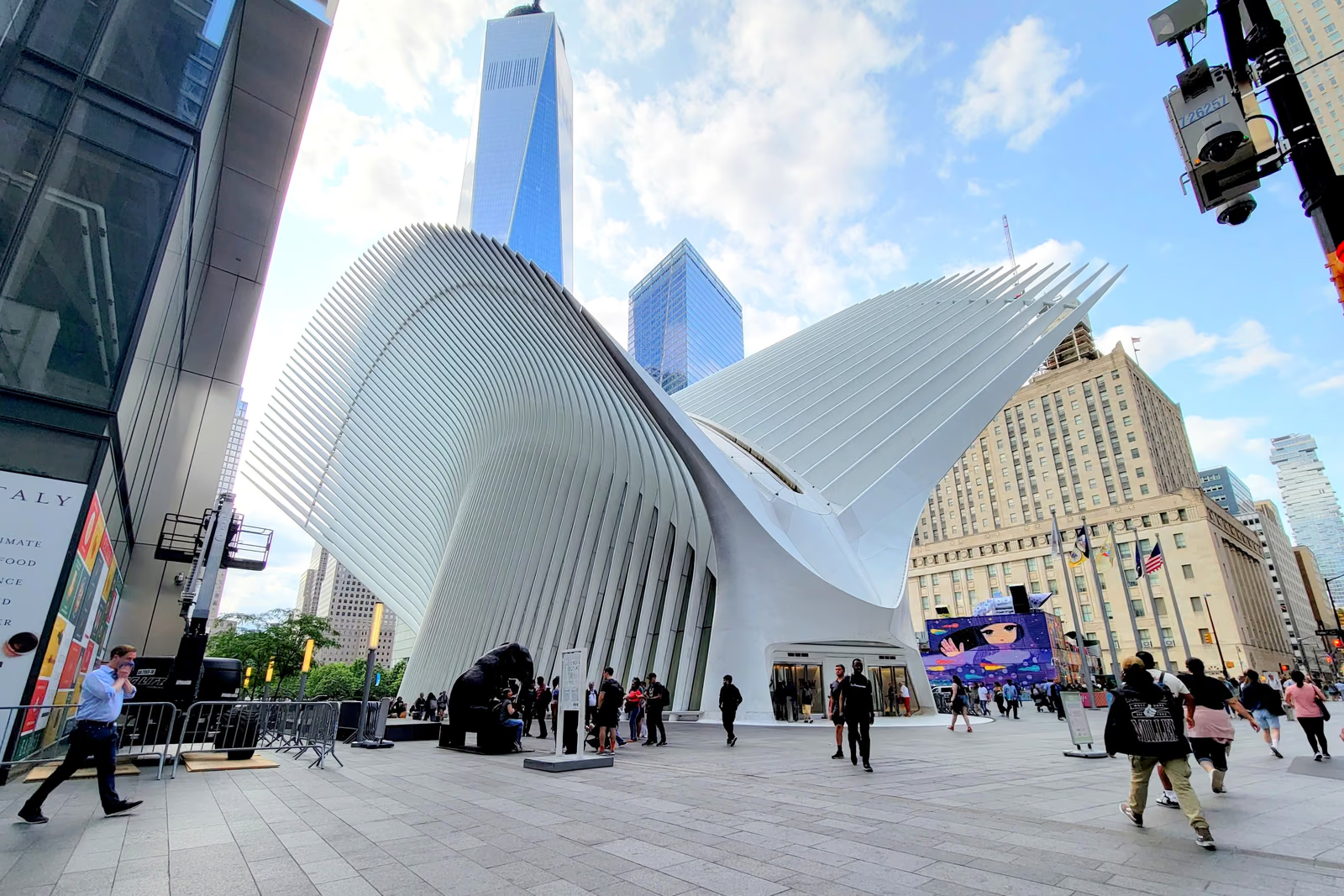
Wikidata Q2001751 · Commons: File:Oculus World Trade Center.jpg · Photo: Donaldroszz · Licence: CC BY-SA 4.0