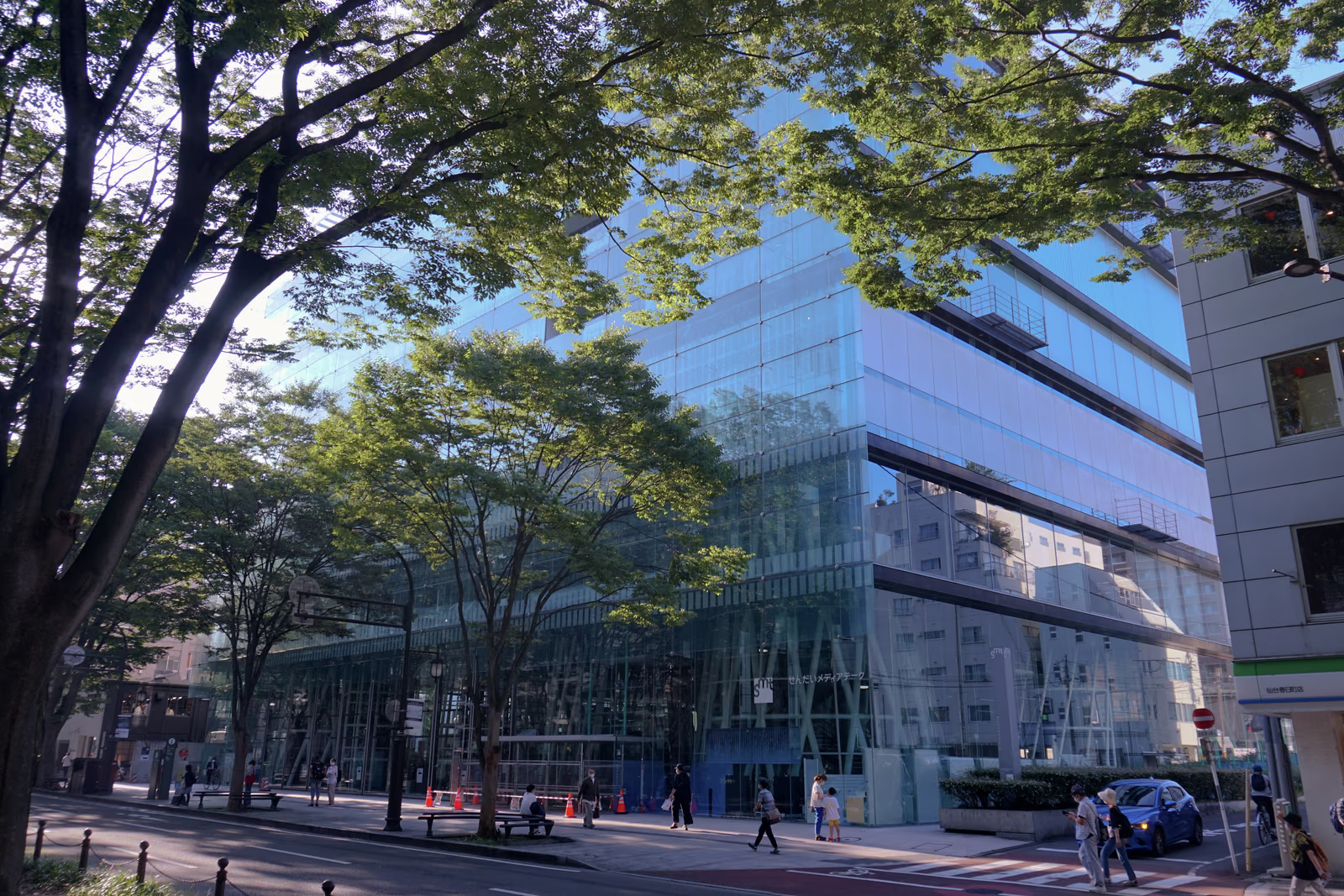
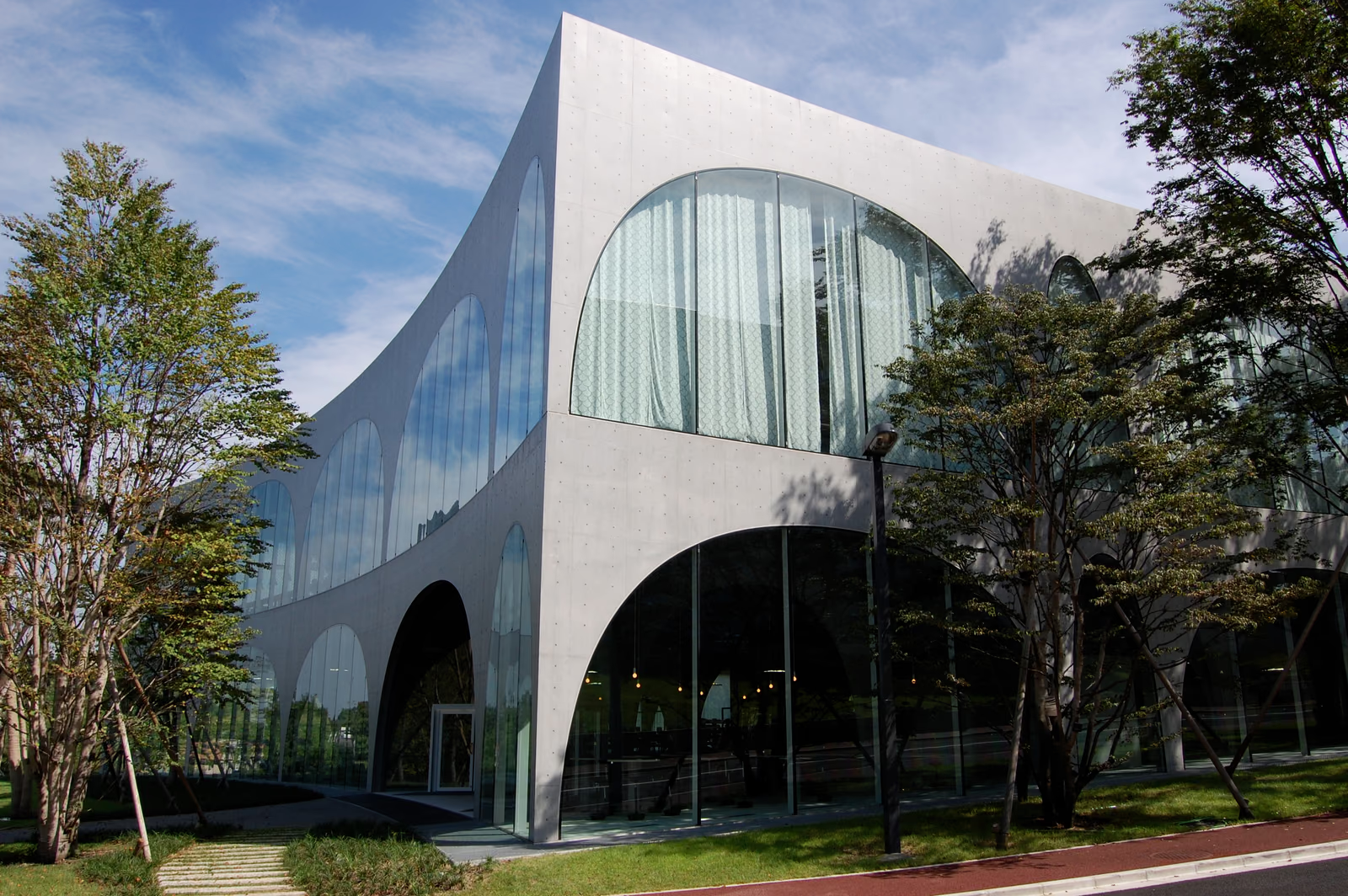
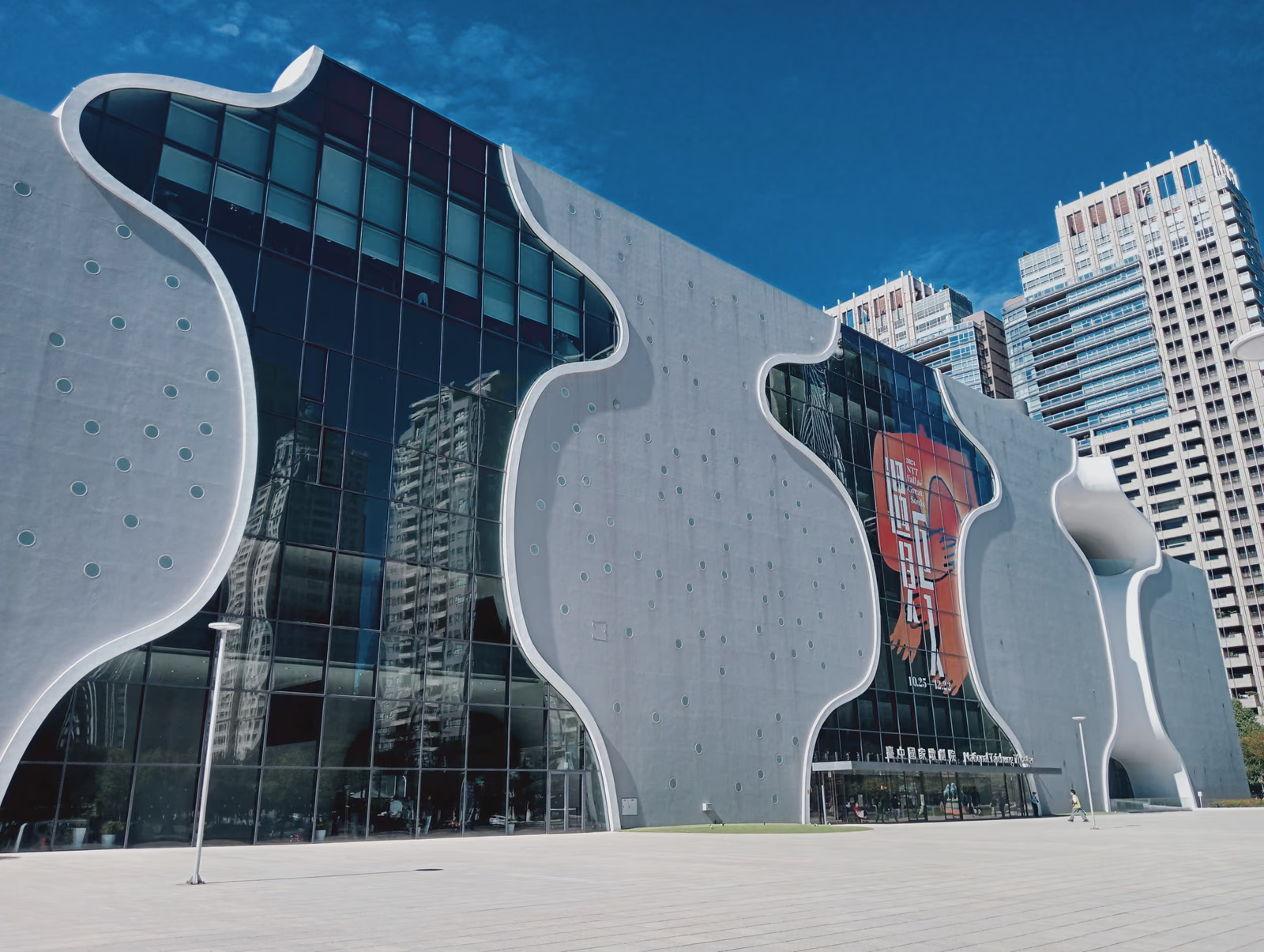
Toyo Ito graduated from the University of Tokyo in 1965 and spent four years in the office of Kiyonori Kikutake, at the centre of the Metabolist movement, before opening his own studio — first named Urban Robot — in Tokyo in 1971. He never adopted Metabolism's biological metaphors or its megastructures, and by the 1980s was building a reputation on the opposite instinct: structures light enough to feel temporary, expressed through thin steel and glass rather than exposed concrete mass. Sendai Mediatheque (2001) is usually treated as the hinge of his career, the first building in which an idea he had sketched for years — a structure of irregular tubes standing in for both columns and services — actually got built. He has taught and employed a generation of younger Japanese architects, Kazuyo Sejima among them, and won the Pritzker Prize in 2013.