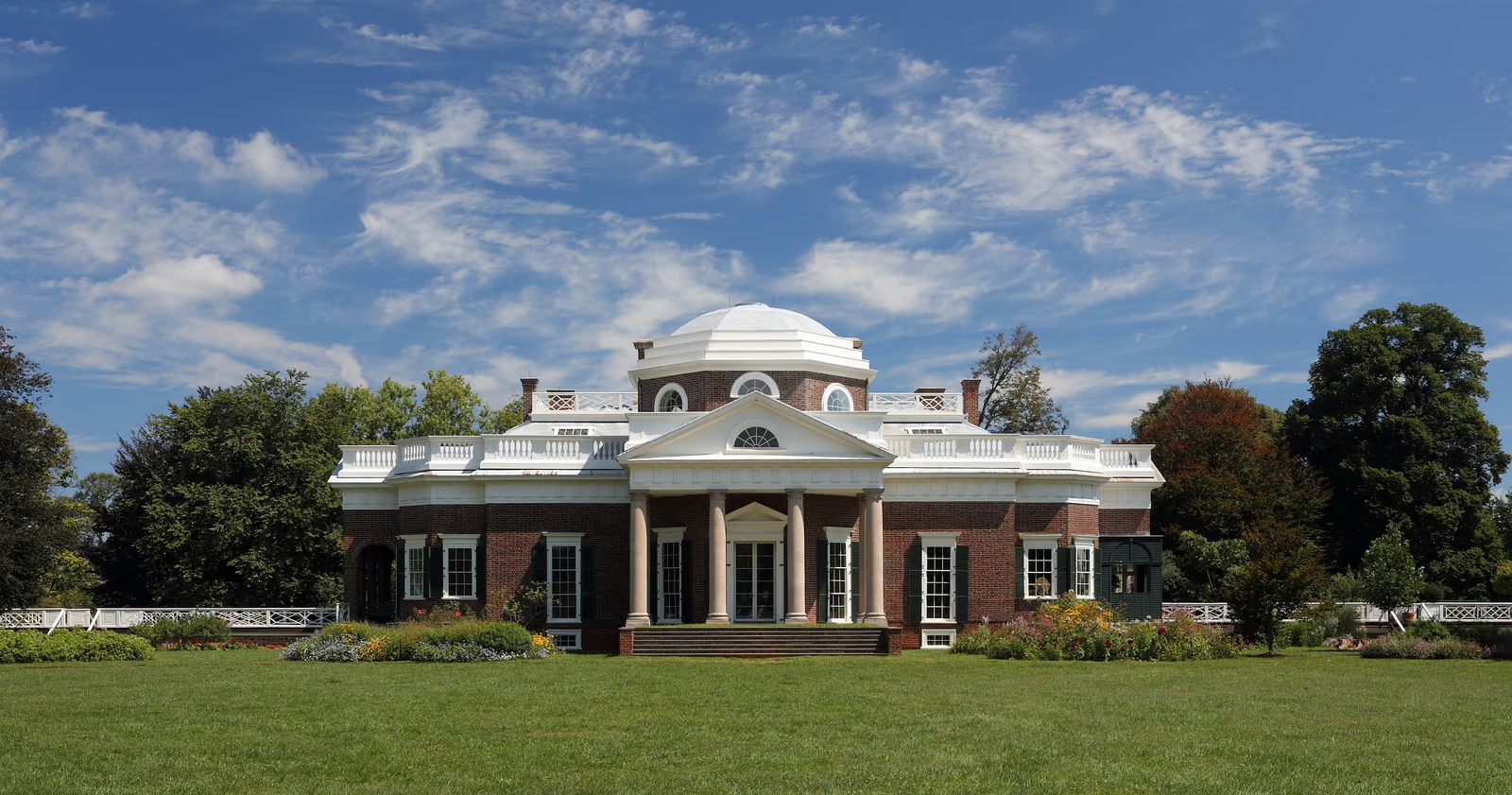
Jefferson was an amateur in the strict sense: he never trained as an architect, never charged a fee, and learned the discipline from books — above all from Giacomo Leoni's English edition of Palladio, which he called his bible. What he built from that reading was not imitation. At Monticello he spent forty years rebuilding his own house until its Palladian parts were arranged around an American plan of his own devising, with dumbwaiters, a bed alcove between two rooms, and service wings dug into the hillside. The Virginia State Capitol, drawn in Paris with Charles-Louis Clérisseau, transplanted the Maison Carrée at Nîmes into a working legislature and set the template for American public building. His last work, the University of Virginia, arranged ten pavilions and a library rotunda around a lawn as a curriculum made visible.