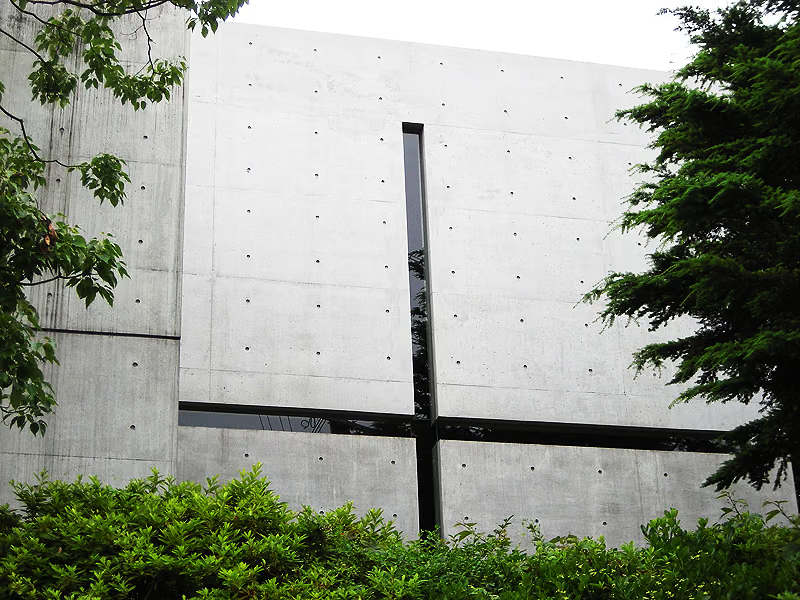
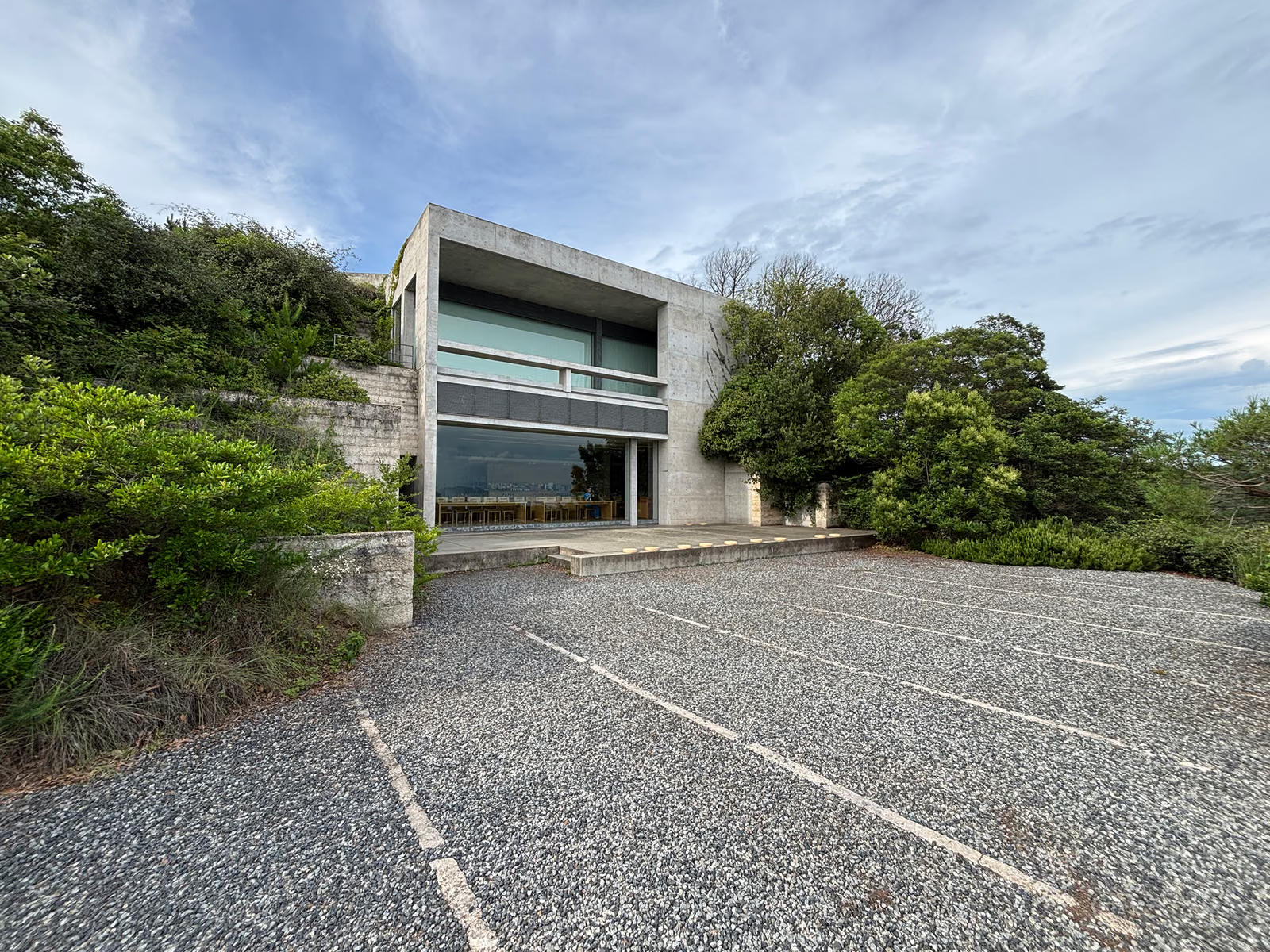
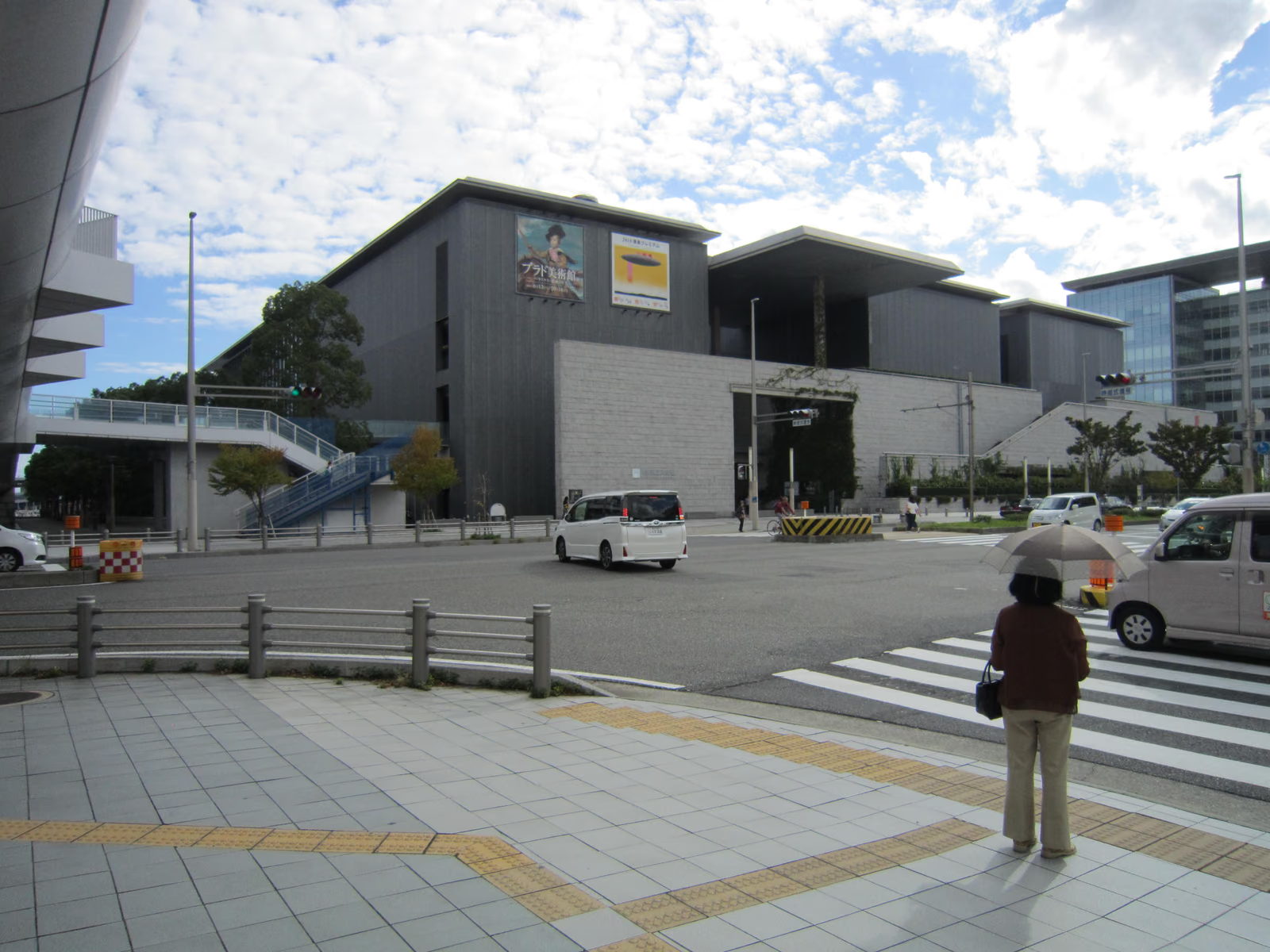
Tadao Ando boxed briefly as a teenager to pay for travel, and gave it up after seeing Frank Lloyd Wright's Imperial Hotel in Tokyo. He never studied architecture formally: he read, took a correspondence course, and between 1962 and 1969 travelled through Japan, Europe, Africa and the United States tracing Le Corbusier's buildings by hand. He opened his own office in Osaka in 1969 and spent the 1970s working almost entirely in raw, fair-faced concrete, a material he treats as finished rather than as a shell for something else. Row House in Sumiyoshi (1976), a nearly windowless concrete box wrapped around an open courtyard, established the vocabulary — light, water, and unbroken wall — that runs through four decades of museums, temples and houses across Japan and abroad. He won the Pritzker Prize in 1995.