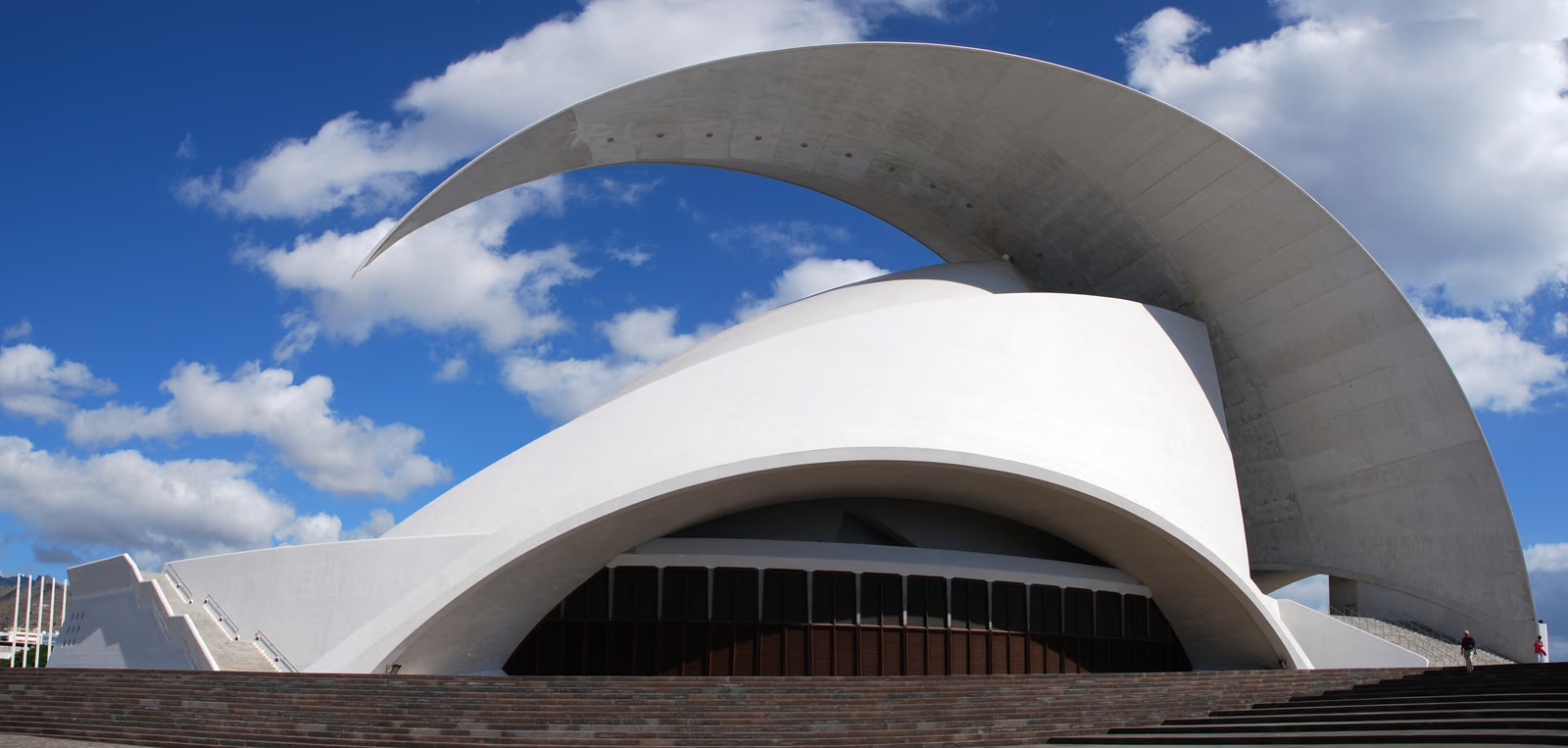
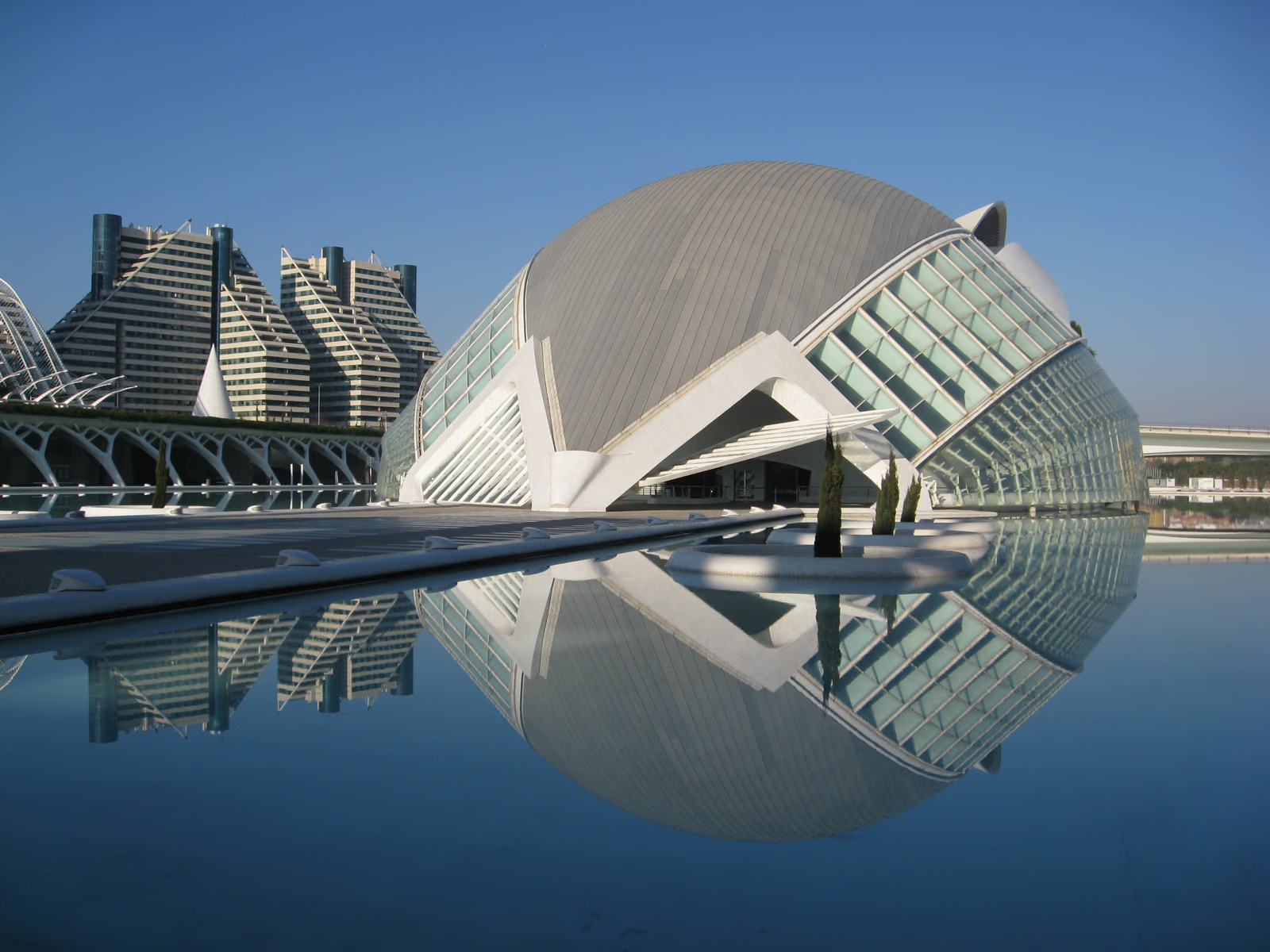
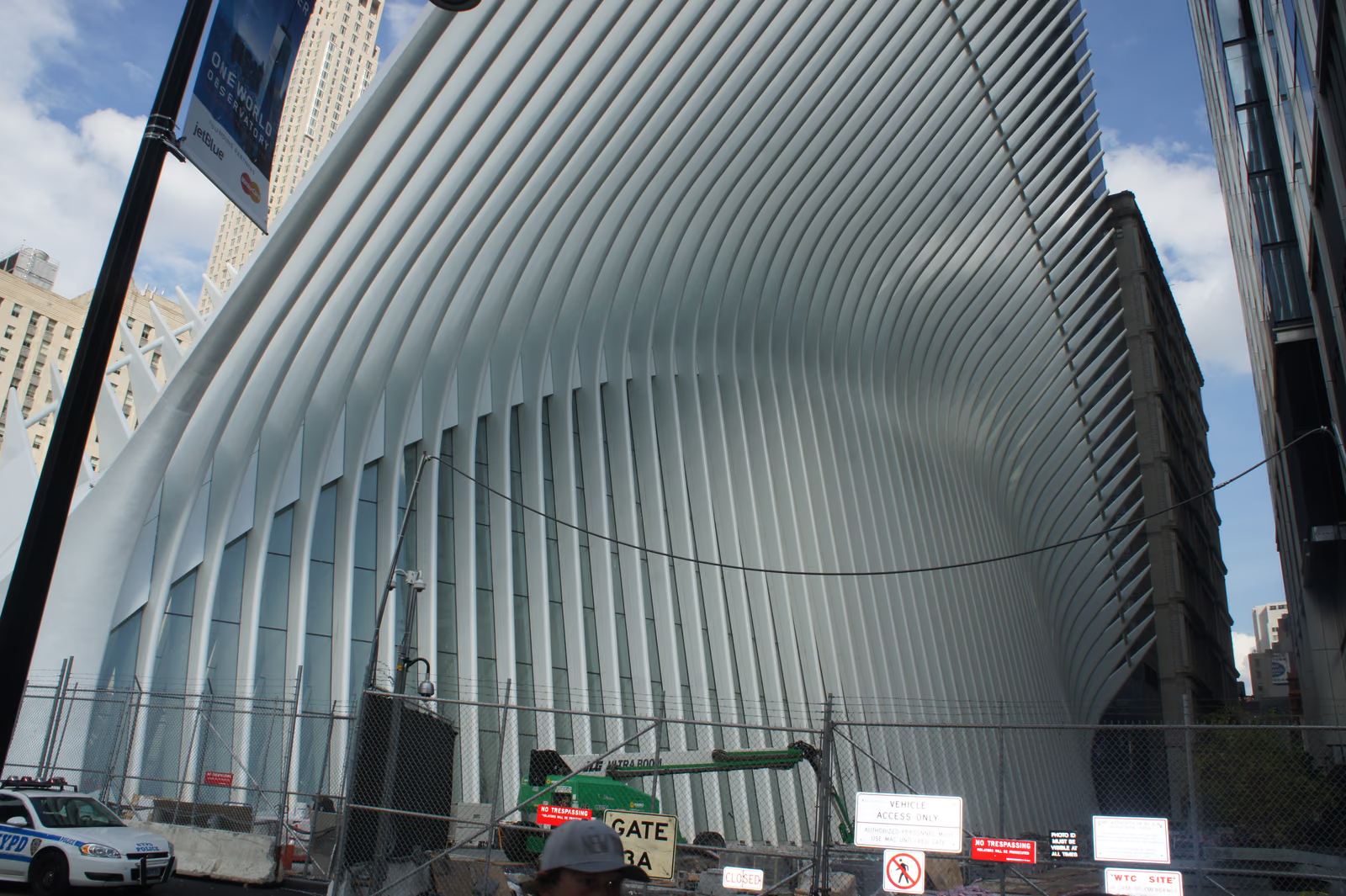
Calatrava trained twice: first at Valencia's Polytechnic in architecture, then at ETH Zurich in civil engineering, completing a 1981 doctoral thesis on the folding of three-dimensional space-frame structures. He opened his own practice in Zurich the same year, working first on small bridges and stations for Swiss railways before the Bac de Roda Bridge in Barcelona (1984–87) set his signature: single leaning pylons, cable stays, structure bared as ornament. His buildings since have pursued the same argument in white concrete and steel — ribbed shells that read as skeletal or organic, roofs that open like wings. Since the 2010s several of his largest commissions have drawn sustained criticism for cost overruns, delays and structural-maintenance disputes — the Oculus and the Bridge of Strings in Jerusalem among them — criticism that concerns engineering and public spending, not his personal conduct.