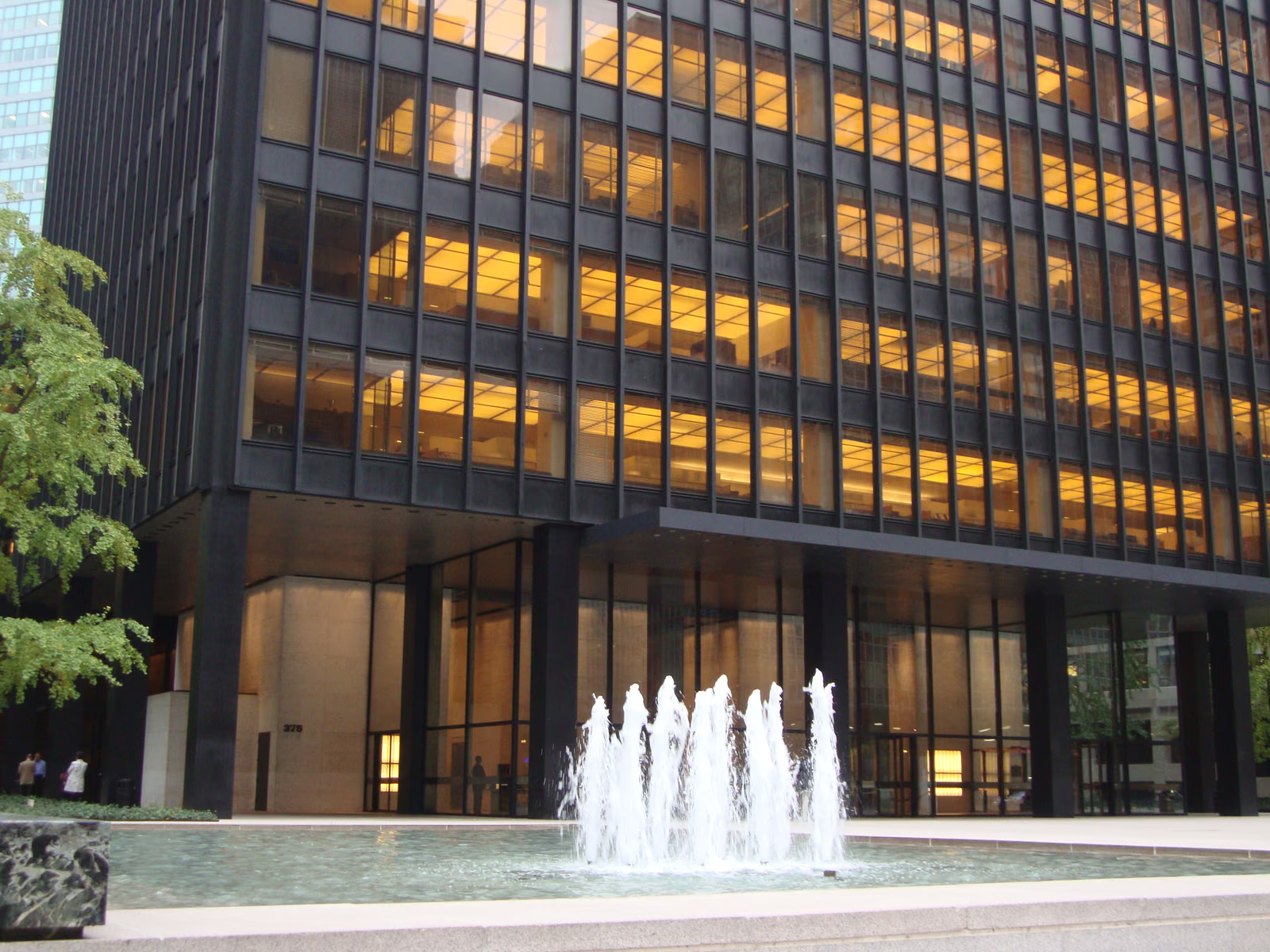
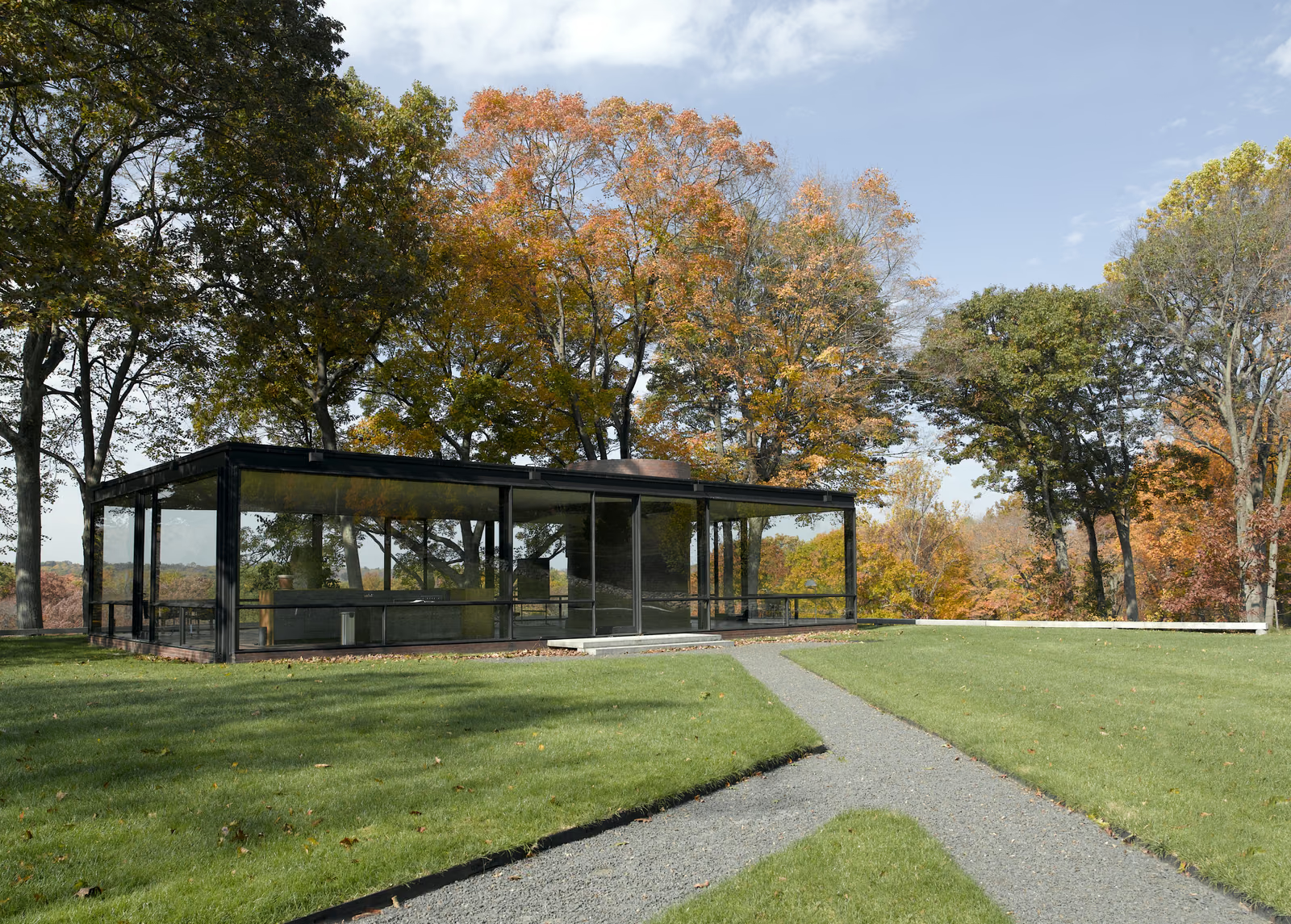
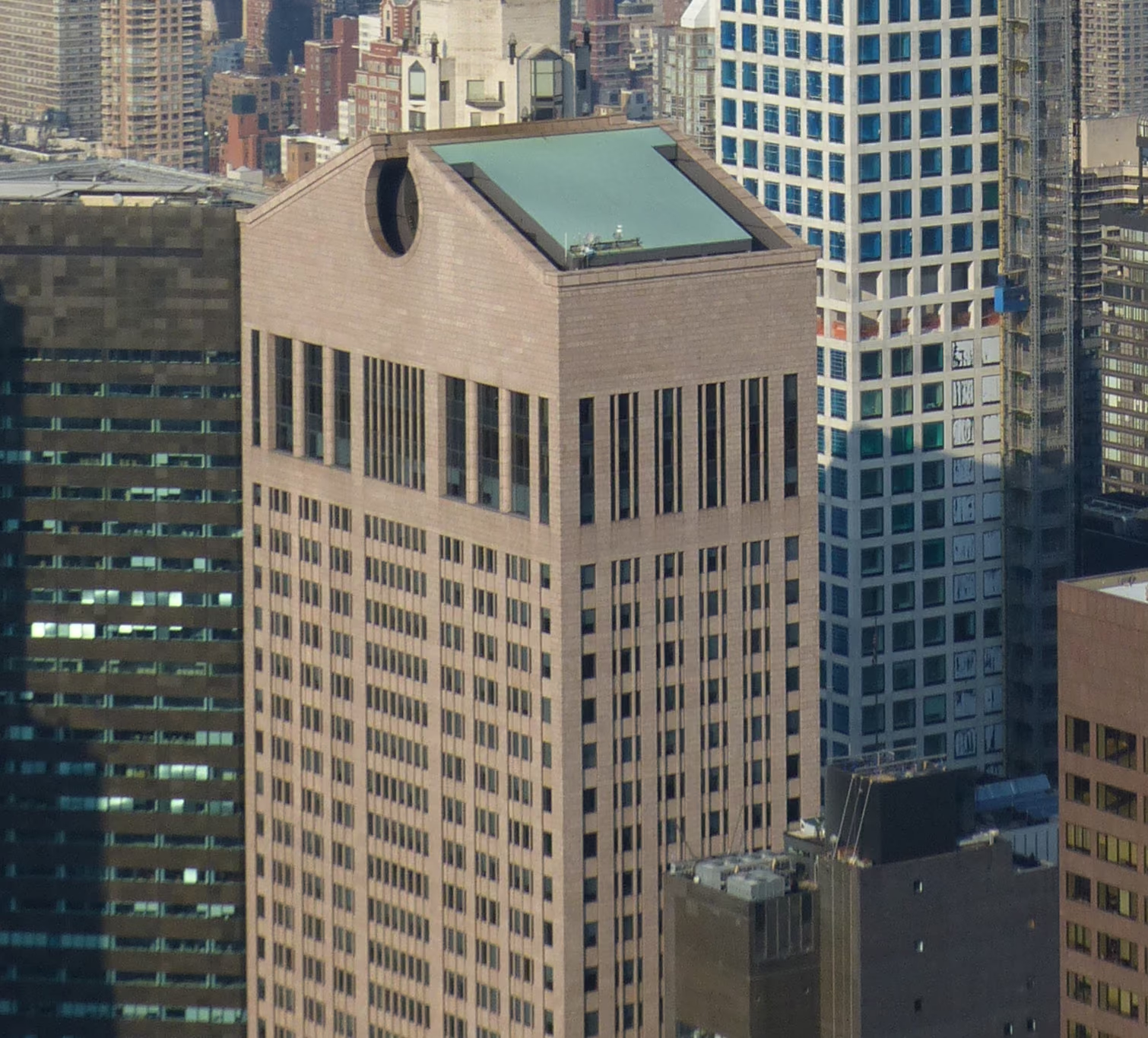
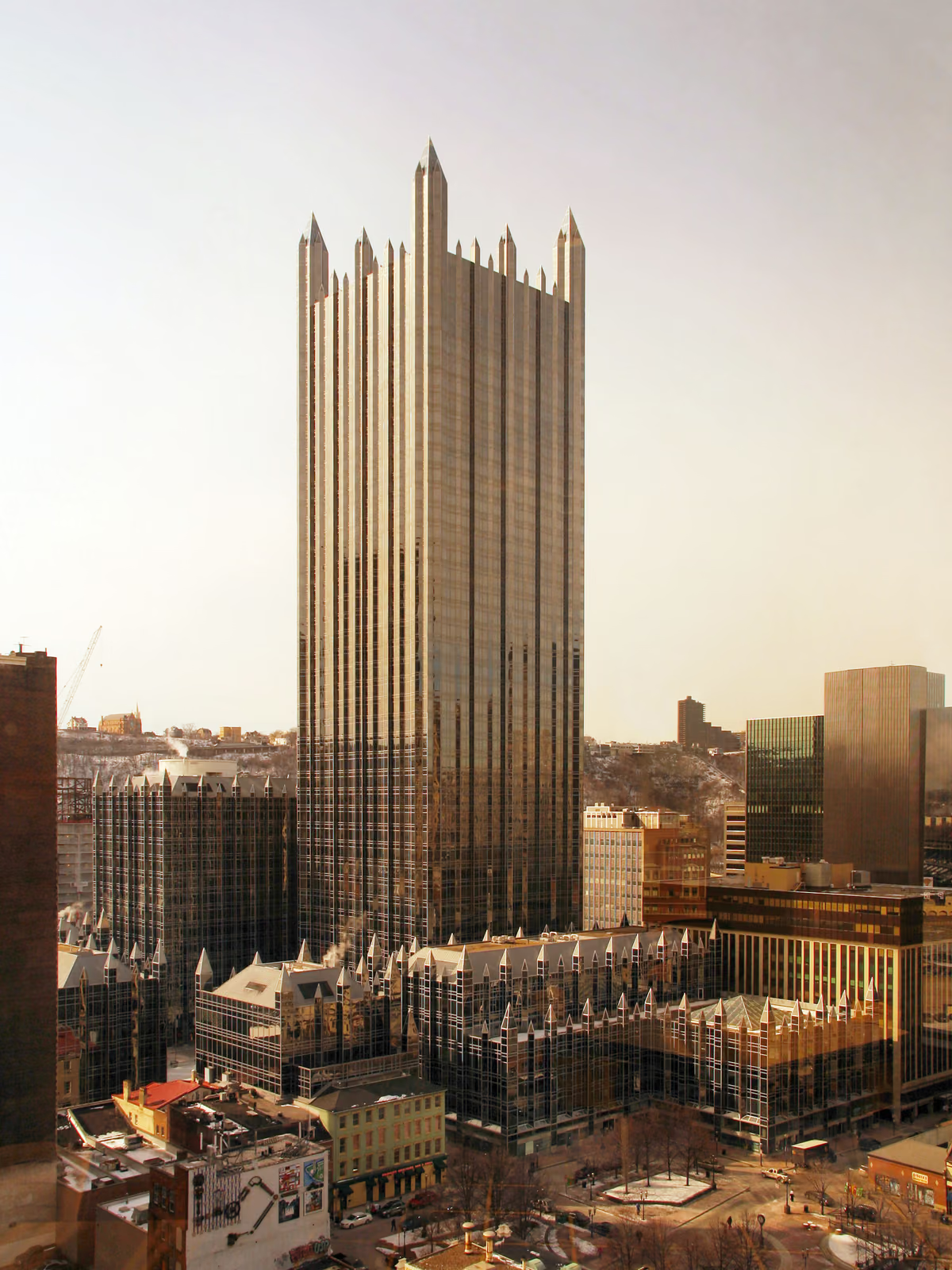
Johnson trained in classics at Harvard, not architecture, and in 1930 used his family's fortune to found and curate the Museum of Modern Art's architecture department; the 1932 "Modern Architecture" show he organised with Henry-Russell Hitchcock, and the book that named it the International Style, introduced Bauhaus-derived modernism to an American audience before Johnson had designed a building of his own. After the political detour documented below, he returned to architecture in the 1940s, studying under Marcel Breuer and Walter Gropius at Harvard and building himself the Glass House at forty-three. From the late 1970s, in partnership with John Burgee, he abandoned the glass-box vocabulary he had championed for decades and turned to a historically referential Postmodernism, most visibly at 550 Madison Avenue. He was the first Pritzker Prize laureate, in 1979, and worked into his nineties.