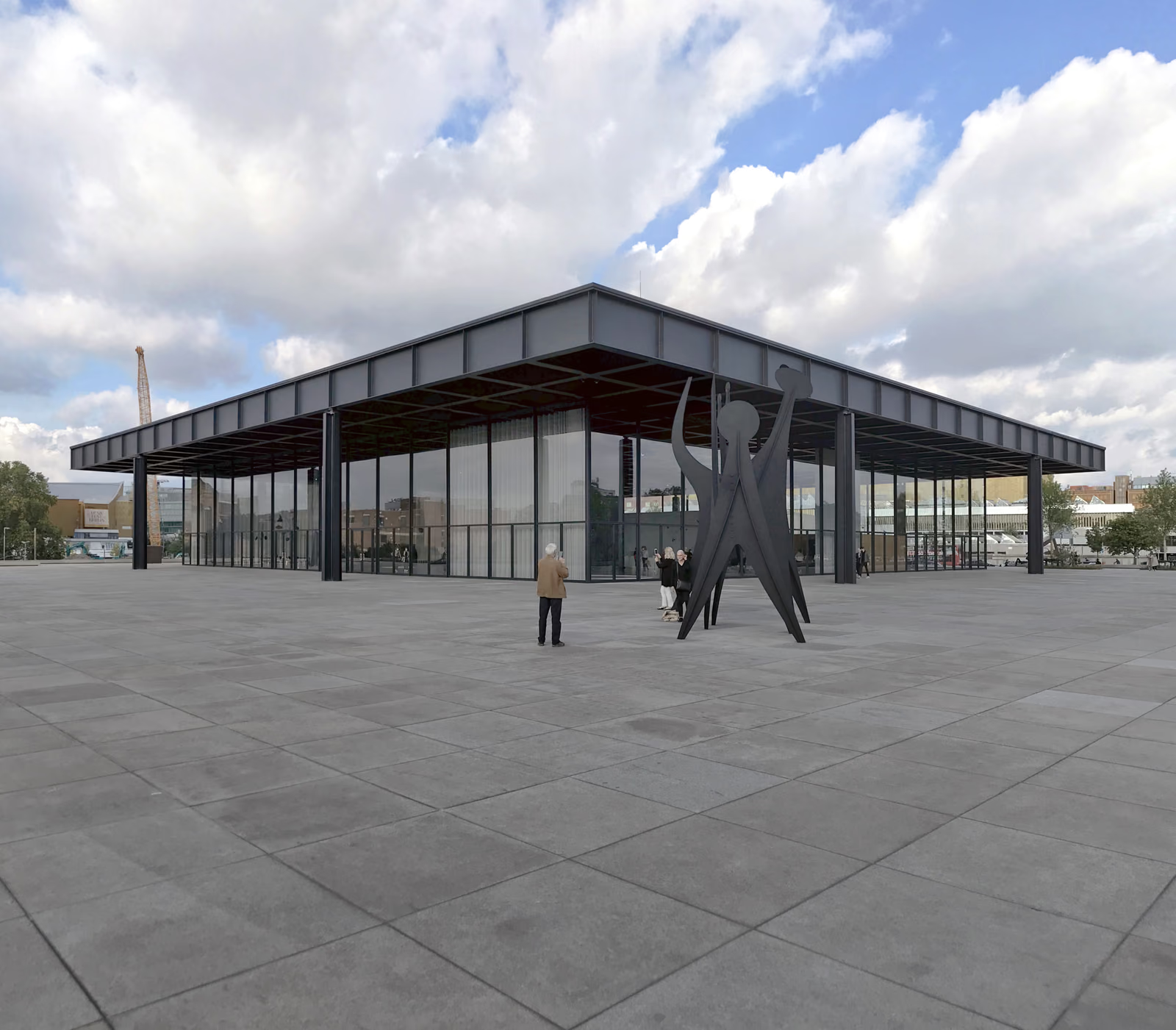
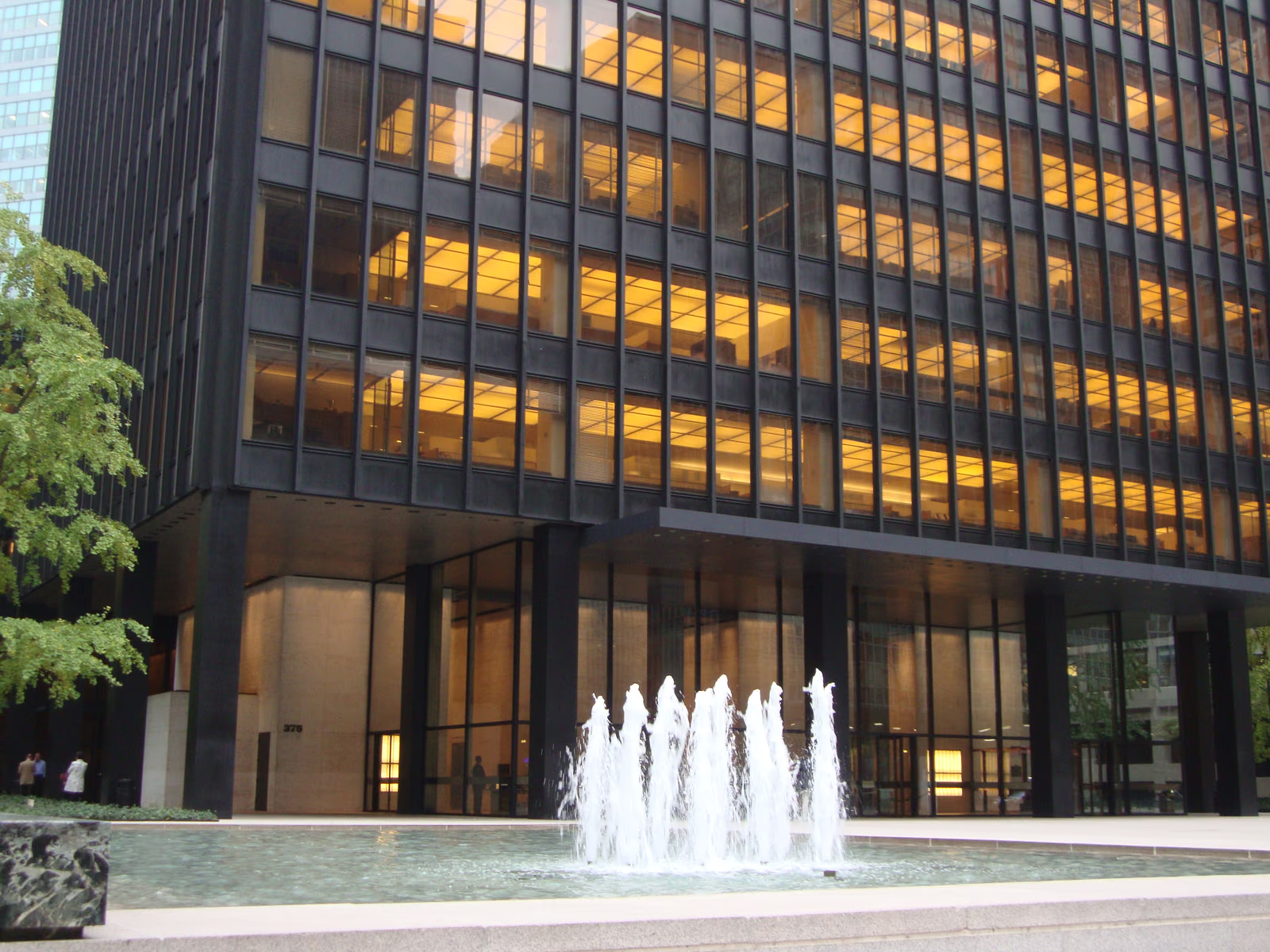
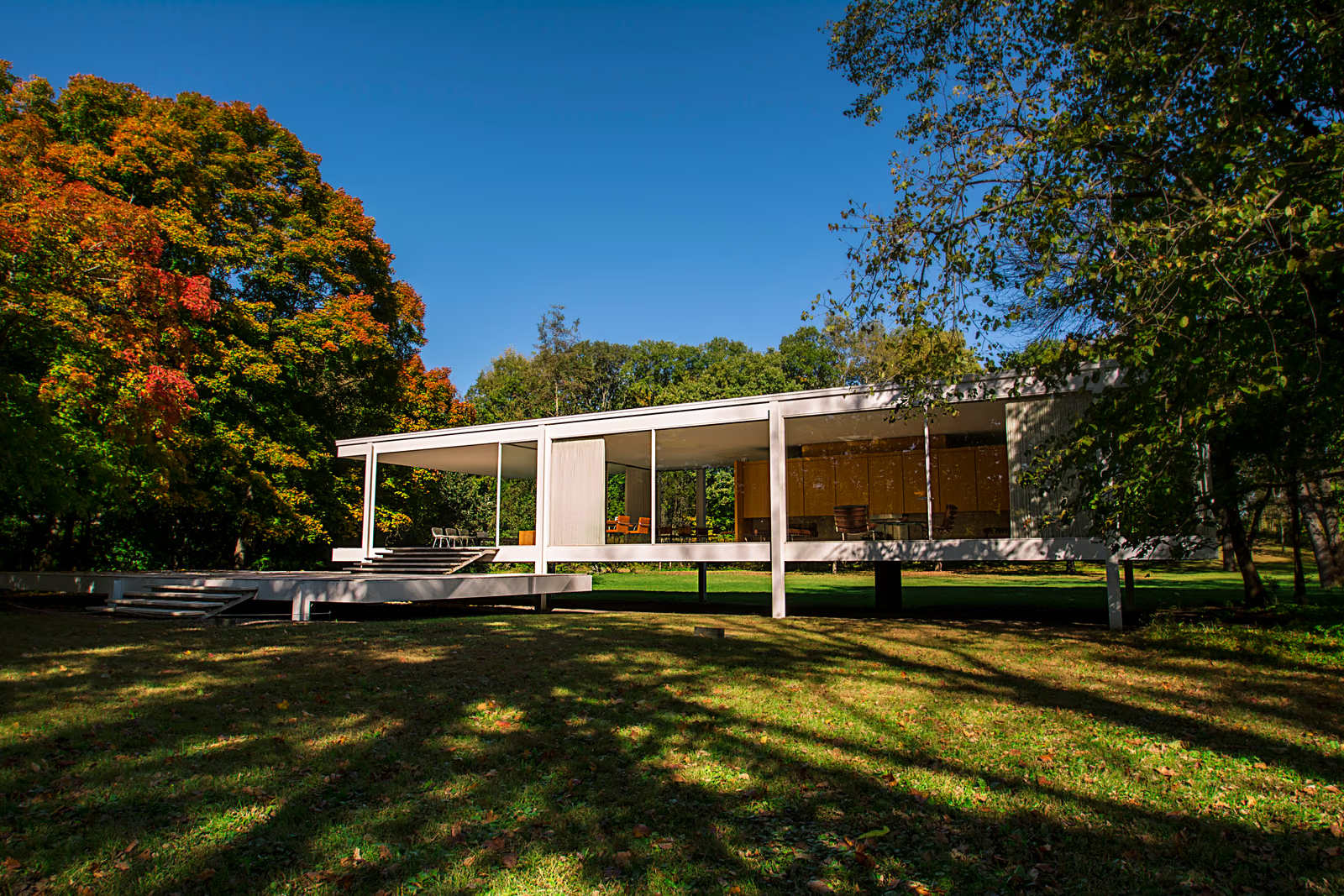
A stonemason's son from Aachen with no formal architectural training, Mies worked for Bruno Paul and Peter Behrens before the First World War and emerged in the 1920s with the Barcelona Pavilion and Haus Tugendhat: free-standing planes, continuous space, one material set against another. Much of that work was made with the interior architect Lilly Reich, his collaborator from the late 1920s, with whom he designed the Glasraum, the Velvet and Silk Café and the Tugendhat interiors. He was the Bauhaus's third and last director from 1930 to 1933. In the United States from 1937–38 he headed the architecture school at what became the Illinois Institute of Technology and built the tall steel-and-glass buildings — 860–880 Lake Shore Drive, the Seagram Building — that made the type. He returned to Berlin once more, for the Neue Nationalgalerie.