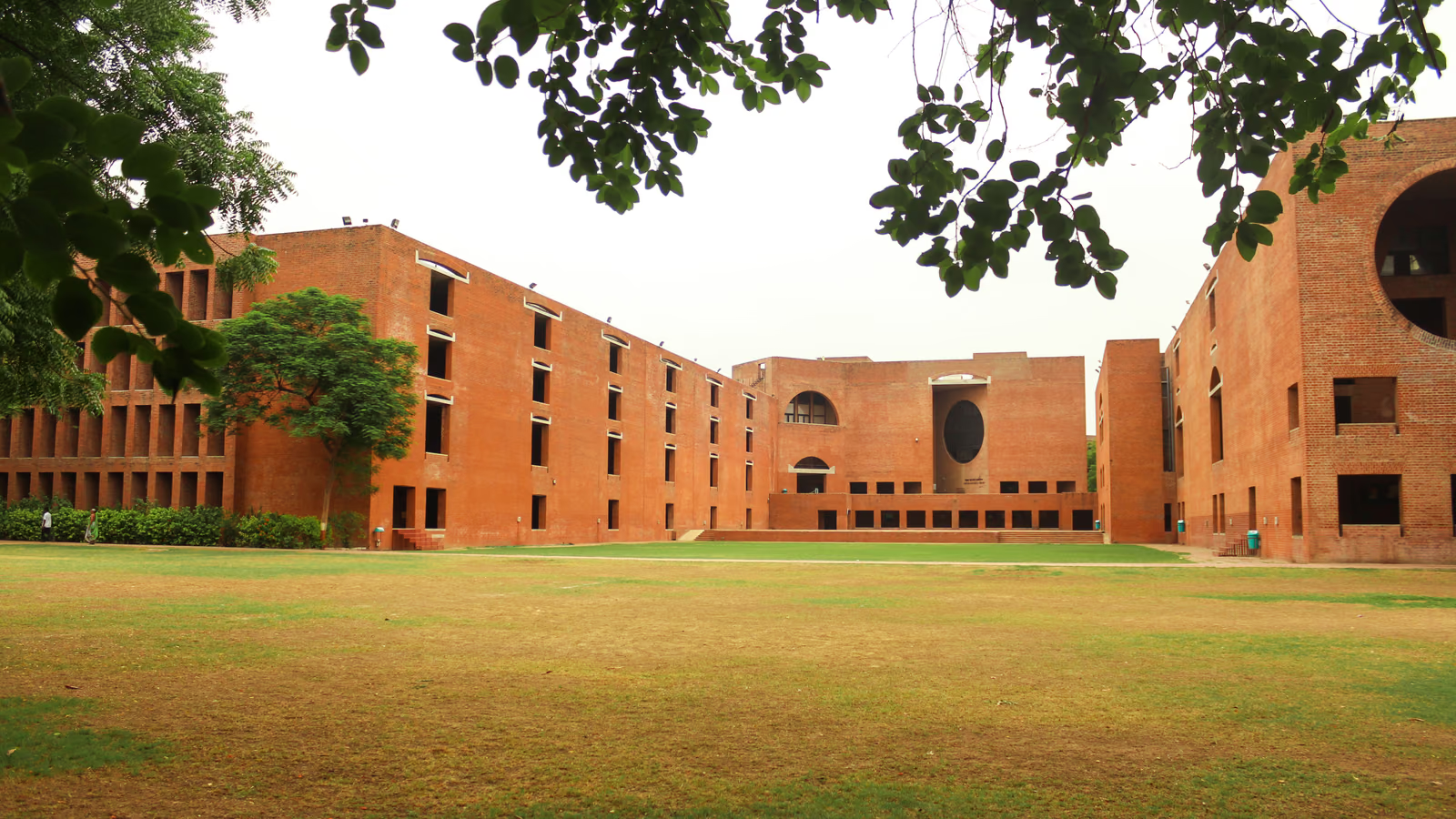
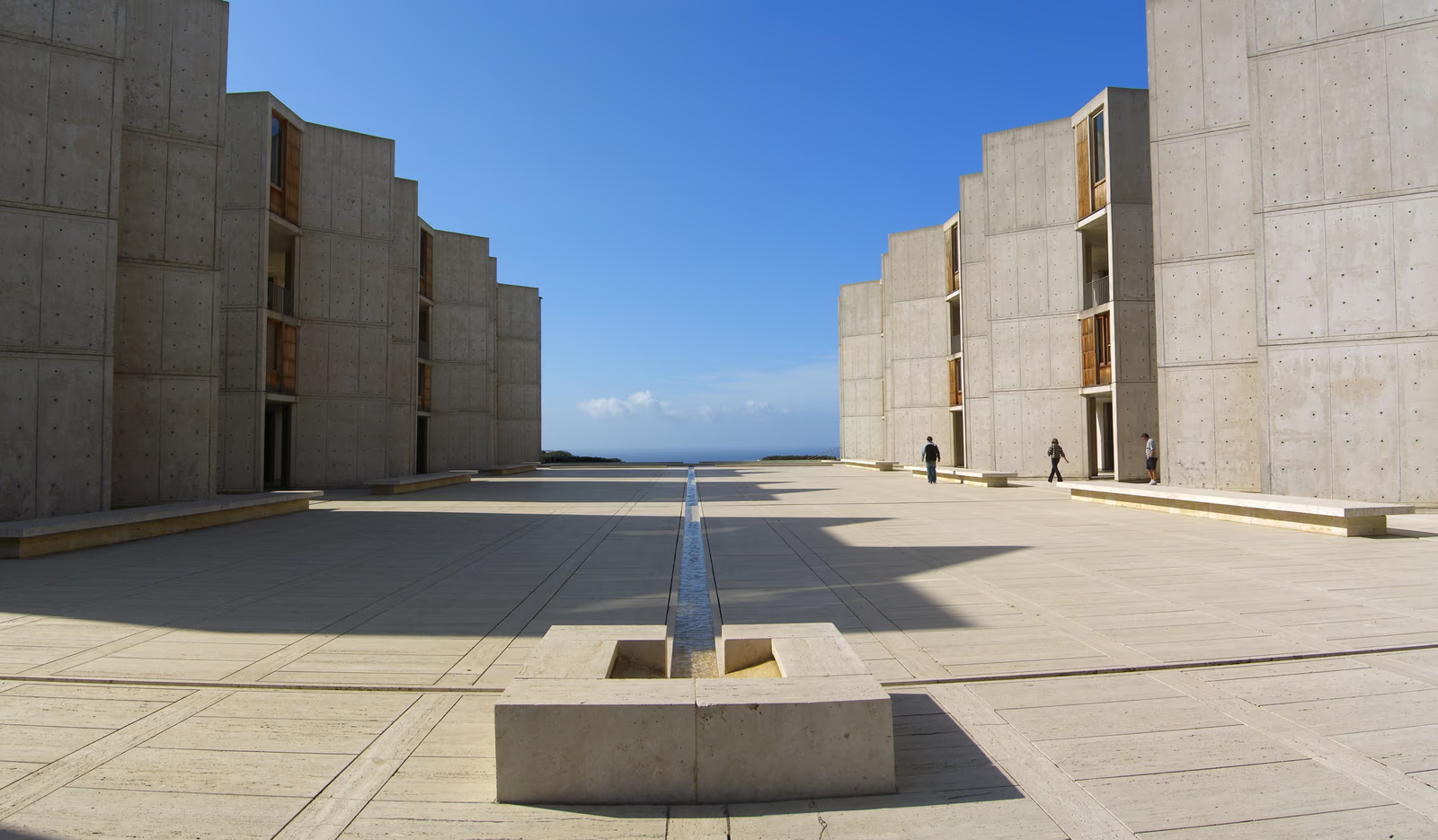
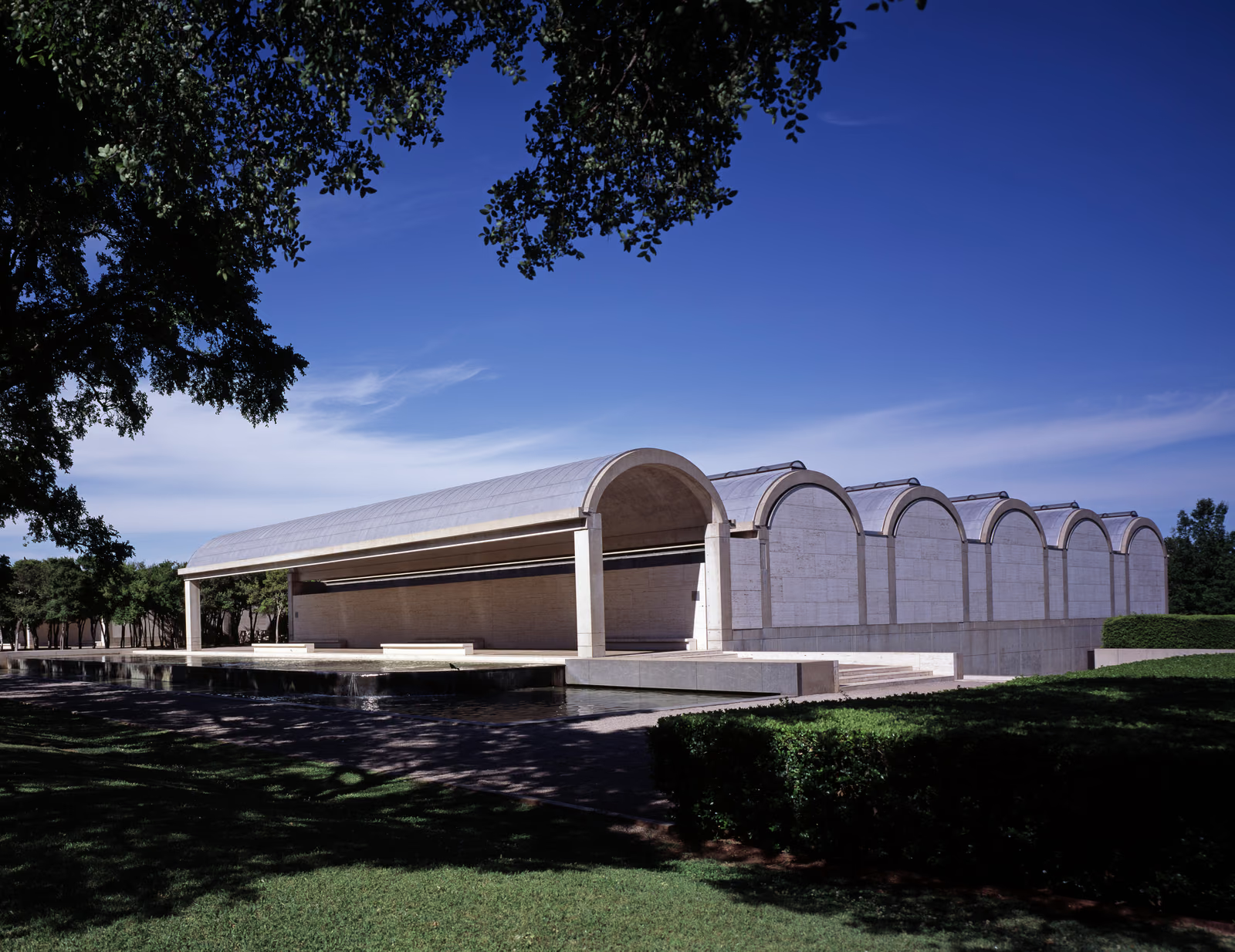
Kahn was born on Saaremaa, brought to Philadelphia at four, trained in the Beaux-Arts tradition at the University of Pennsylvania, and produced almost nothing memorable until he was past fifty. A year at the American Academy in Rome in 1950–51 changed that: the ruins taught him that a building could be made of massive, singular volumes admitting daylight through openings cut in thick wall. From the Yale Art Gallery onward he built a small, dense body of work — the Salk Institute, the Kimbell with its cycloid vaults, the library at Phillips Exeter, the Indian Institute of Management at Ahmedabad, and the National Assembly at Dhaka, finished eight years after his death. He separated what he called served and servant spaces, poured concrete and laid brick as though they were being asked what they wanted to be, and left almost every surface as it came out of the formwork.