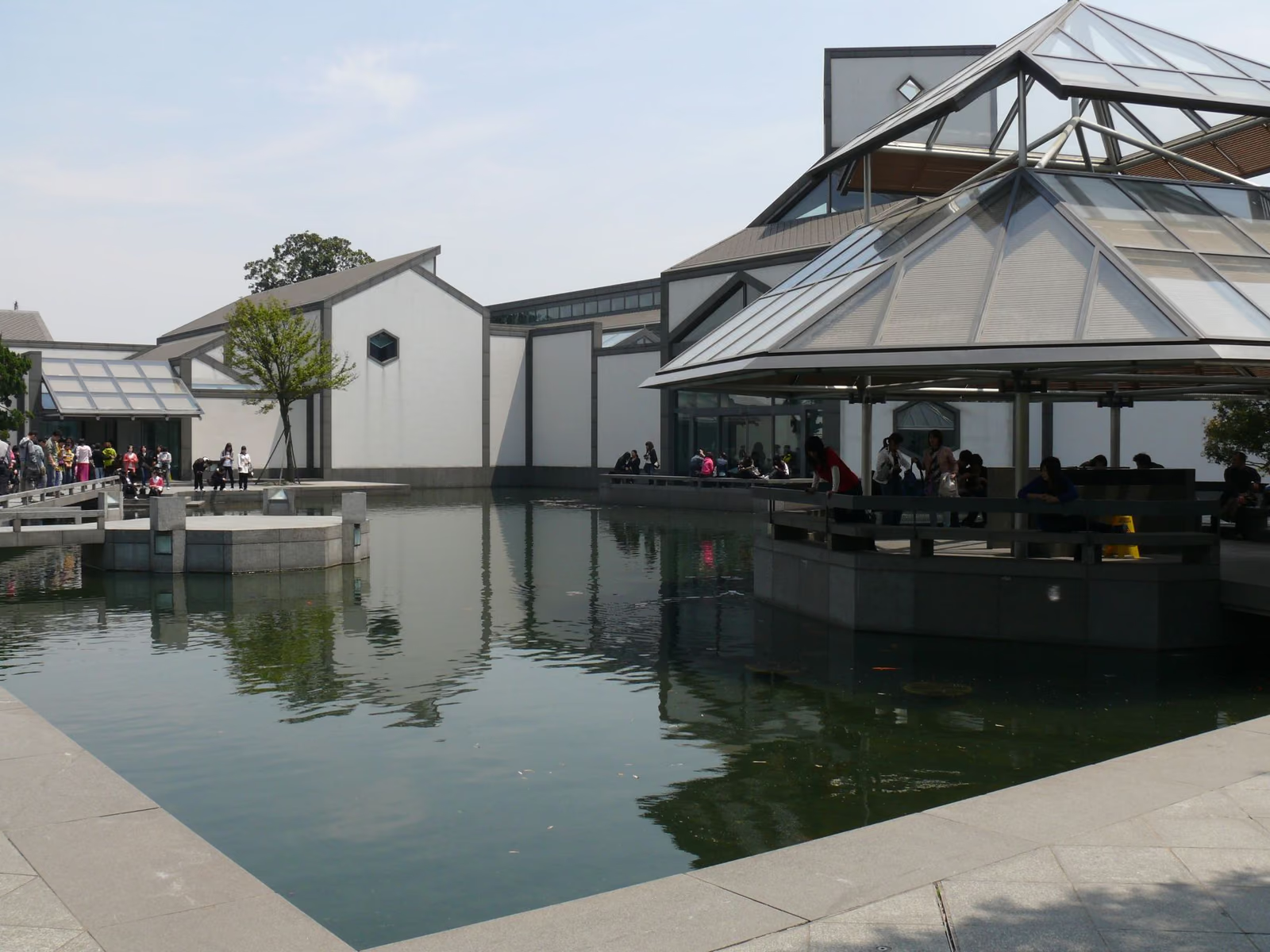
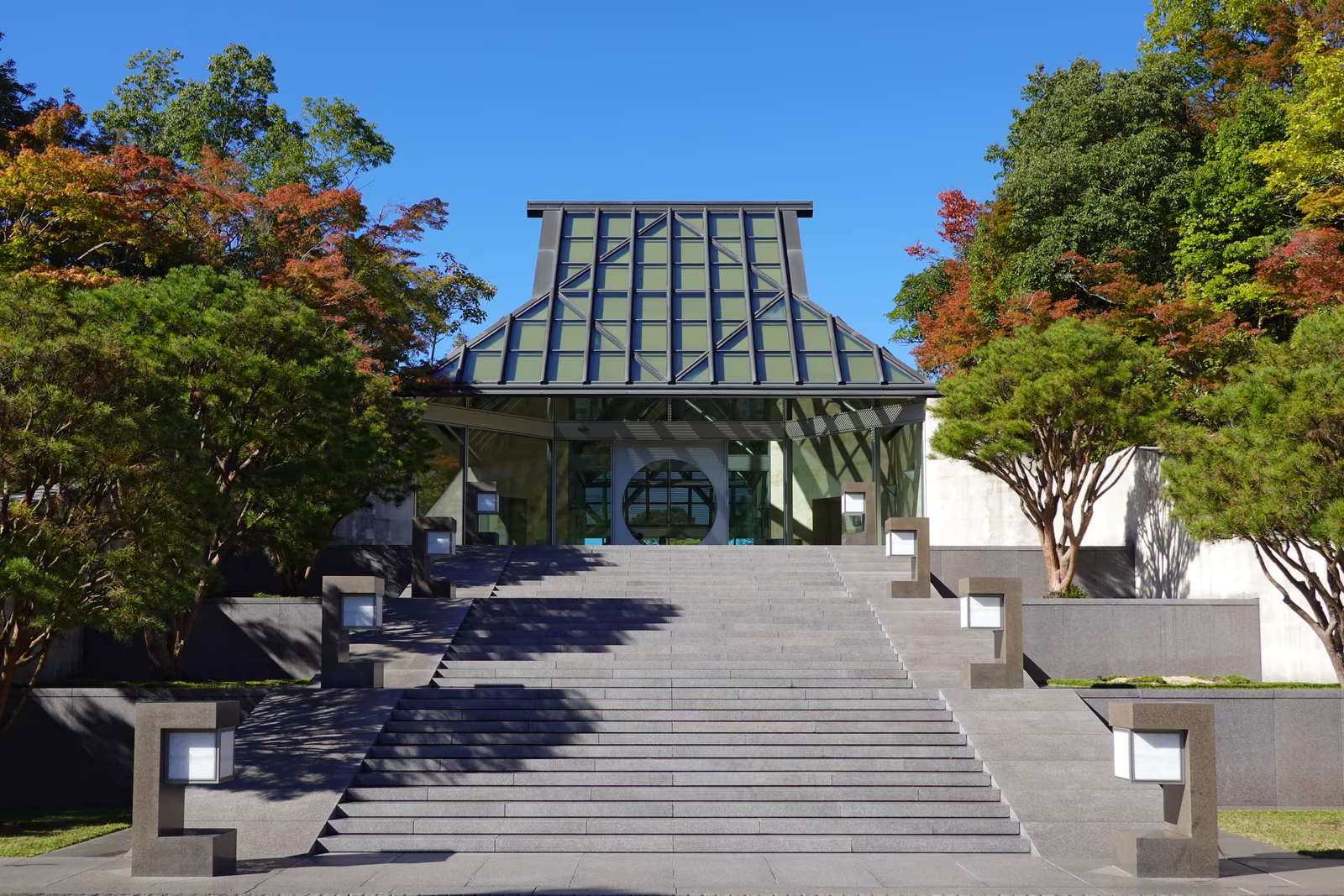
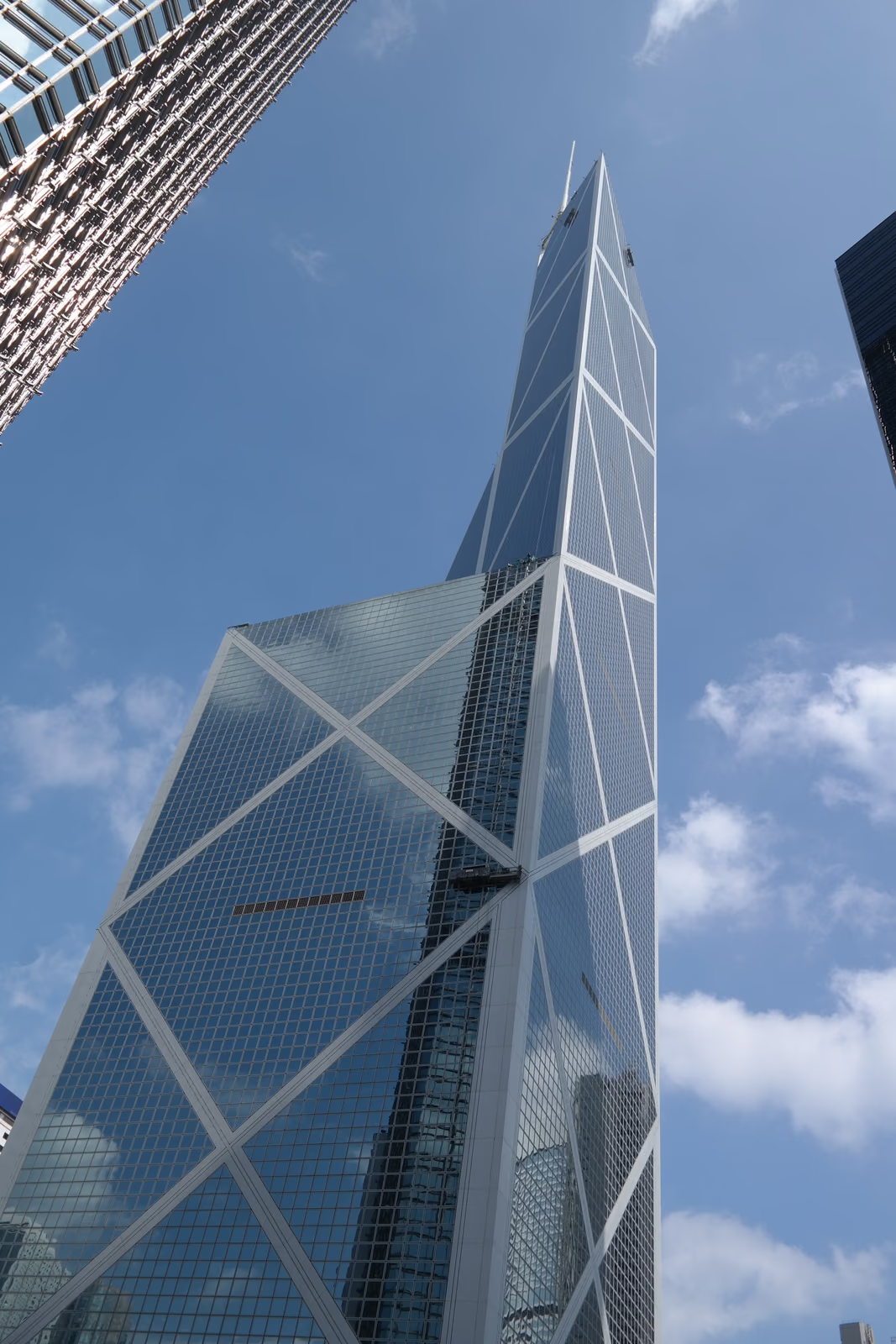
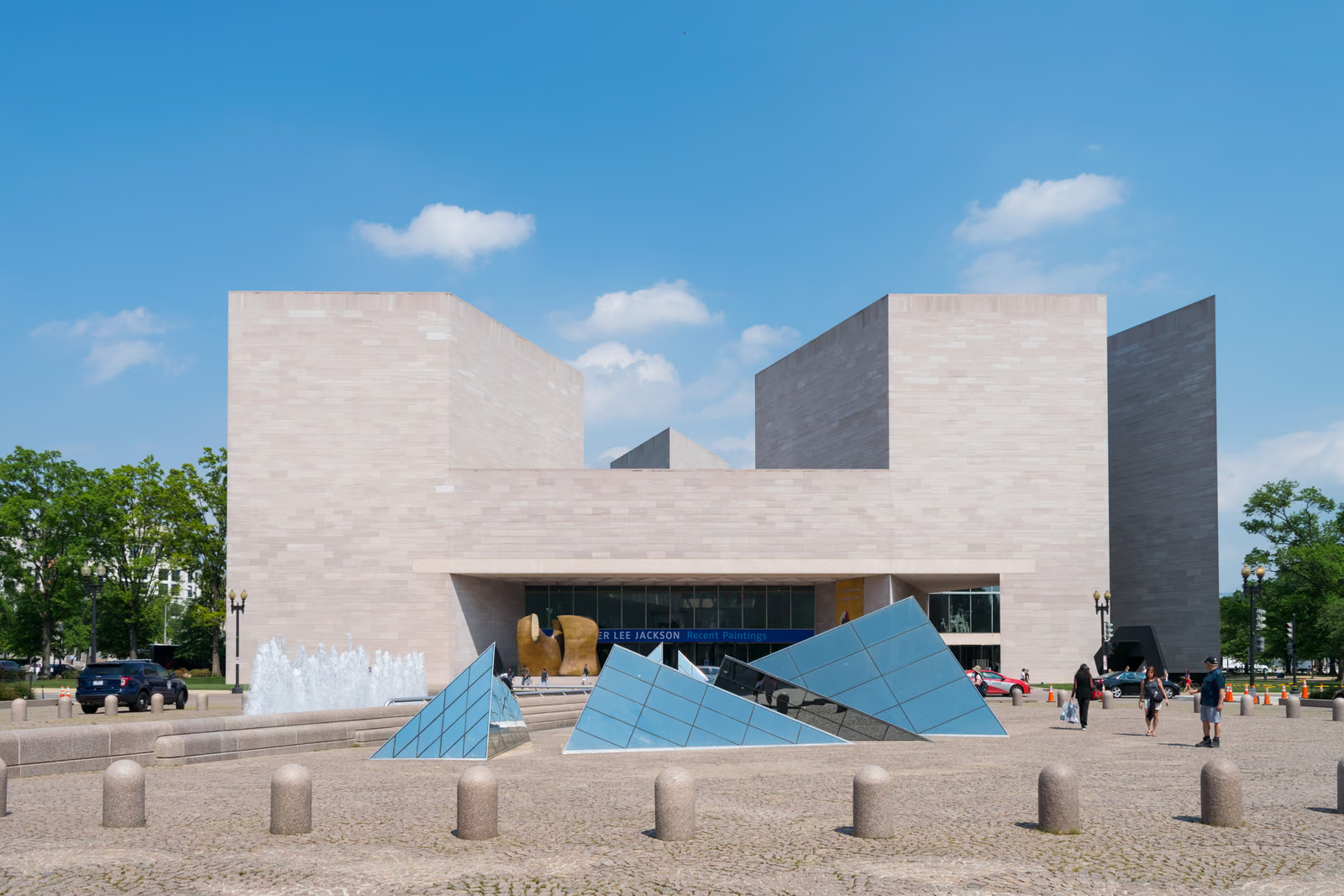
Pei was born in Guangzhou in 1917 to a prominent banking family, emigrated to the United States in 1935 and trained at MIT and then at Harvard's Graduate School of Design under Walter Gropius and Marcel Breuer. A decade spent shaping speculative urban redevelopment for the New York developer William Zeckendorf taught him to work within a client's numbers before he opened his own practice in 1955; by the time he retired from day-to-day management in 1990 that practice had built some of the most recognisable museums in the world. Pei's buildings return again and again to hard geometric volumes — triangles, rhombuses, knife-edge angles — resolved in stone, granite or glass, and to the problem of setting a modern building beside a historically loaded one without either apologising for it or overpowering it. He won the Pritzker Prize in 1983 and the Presidential Medal of Freedom in 1992, and kept accepting museum commissions into his late eighties and nineties, ending his working life, as it had begun, in China.