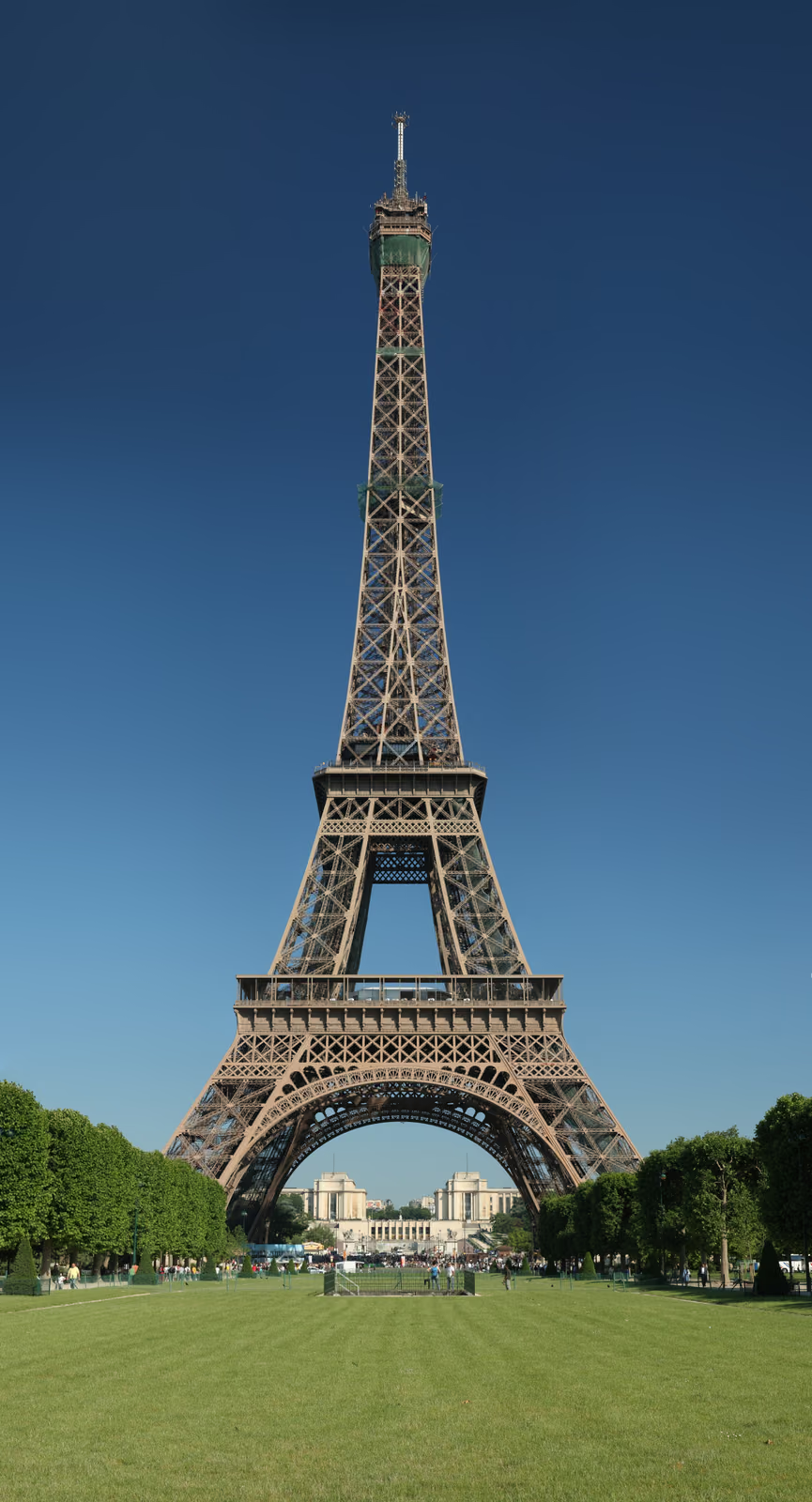
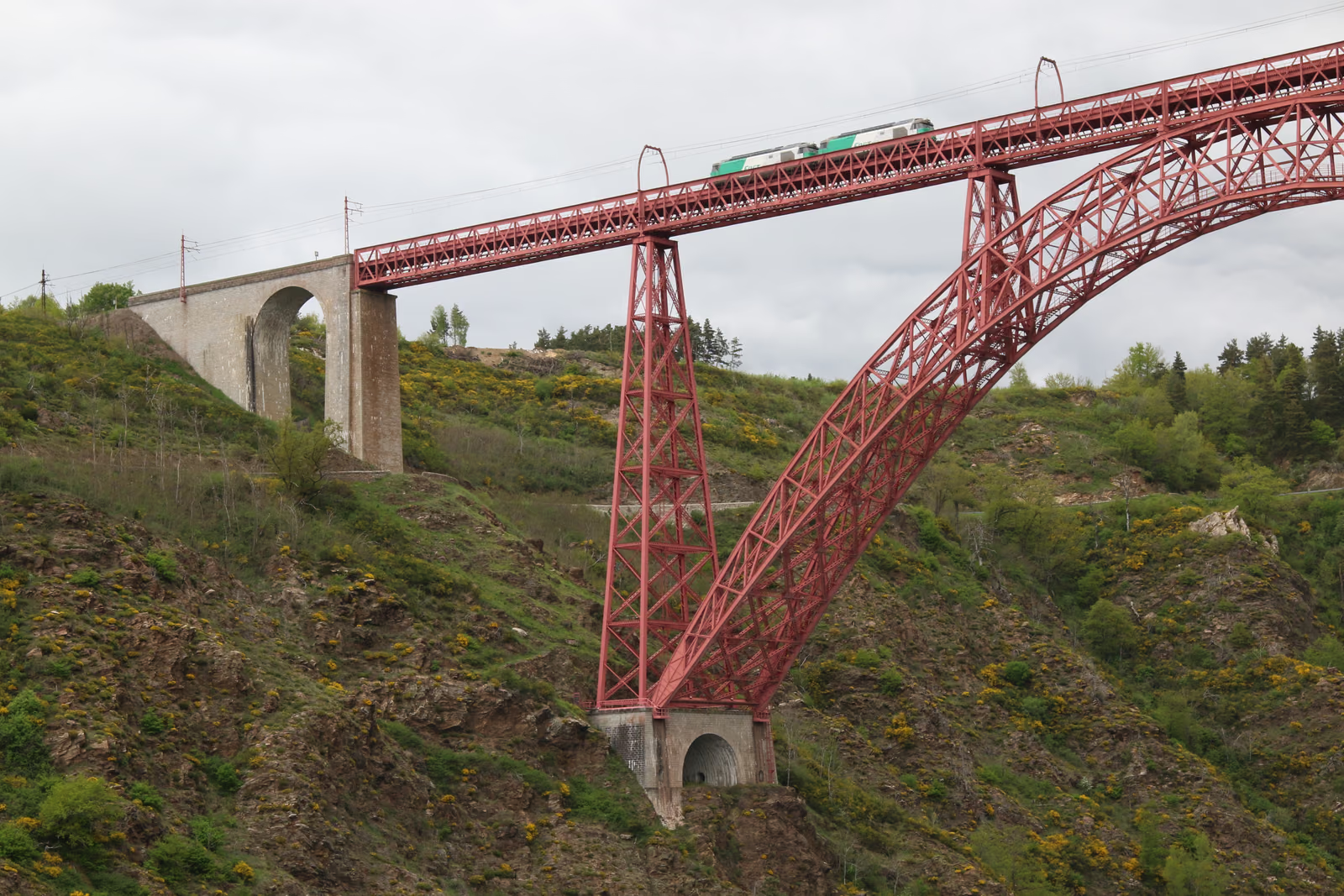
Gustave Eiffel trained as a chemist, not an architect: he graduated from the École Centrale des Arts et Manufactures in 1855 and learned metal construction on the job, first as Charles Nepveu's assistant, then running research for the Compagnie Belge de Matériels de Chemin de Fer, where he built the Bordeaux railway bridge using compressed-air caissons. He set up his own consultancy in 1865 and, from 1868, the firm Eiffel et Cie, which built the Maria Pia Bridge at Porto, the exposed ironwork of Budapest's Nyugati station, and the internal armature of the Statue of Liberty before the Tower made him famous. He is included here as an engineer whose structures, built with named architect-collaborators, are as central to the public idea of "iconic architecture" as any building by a licensed architect.