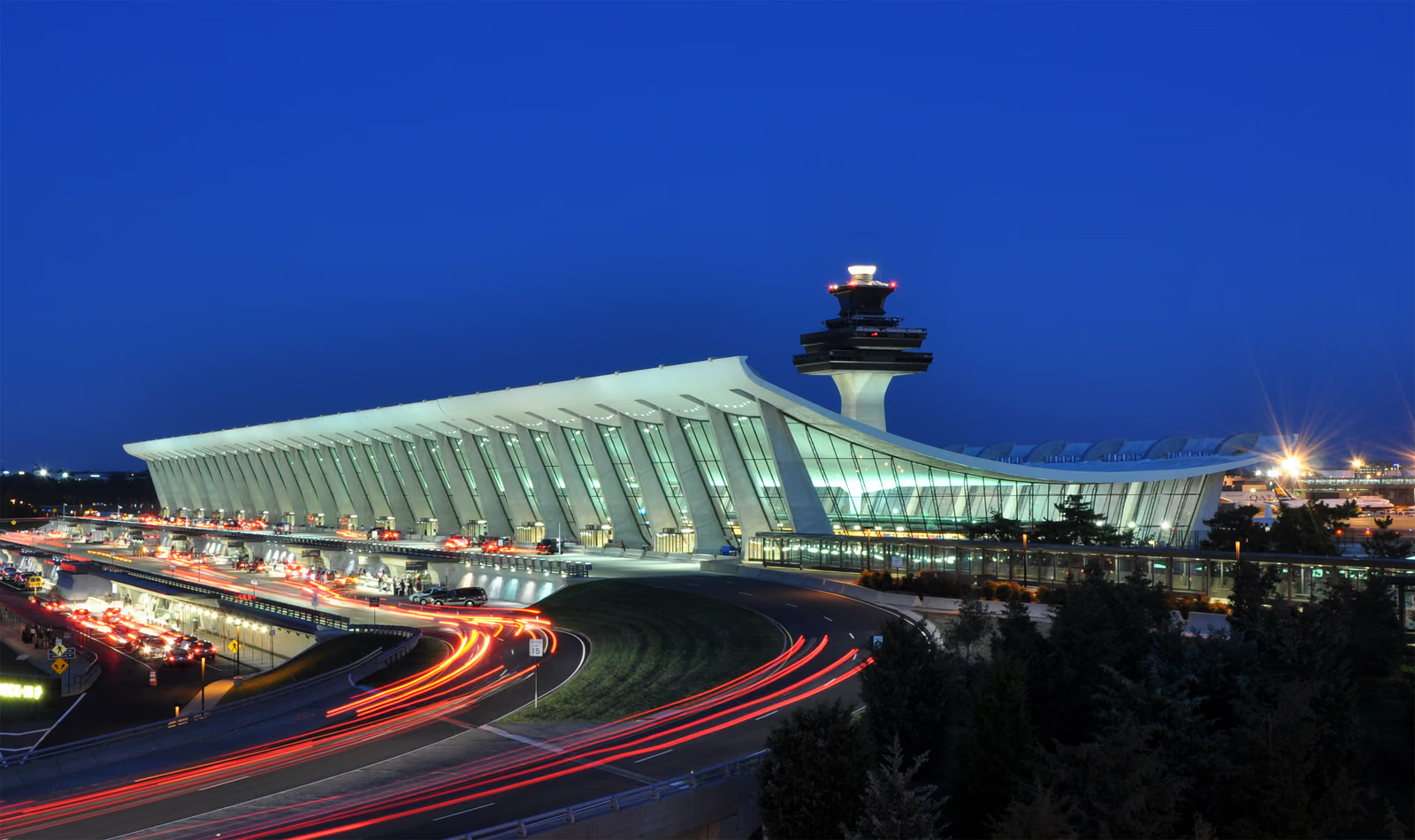
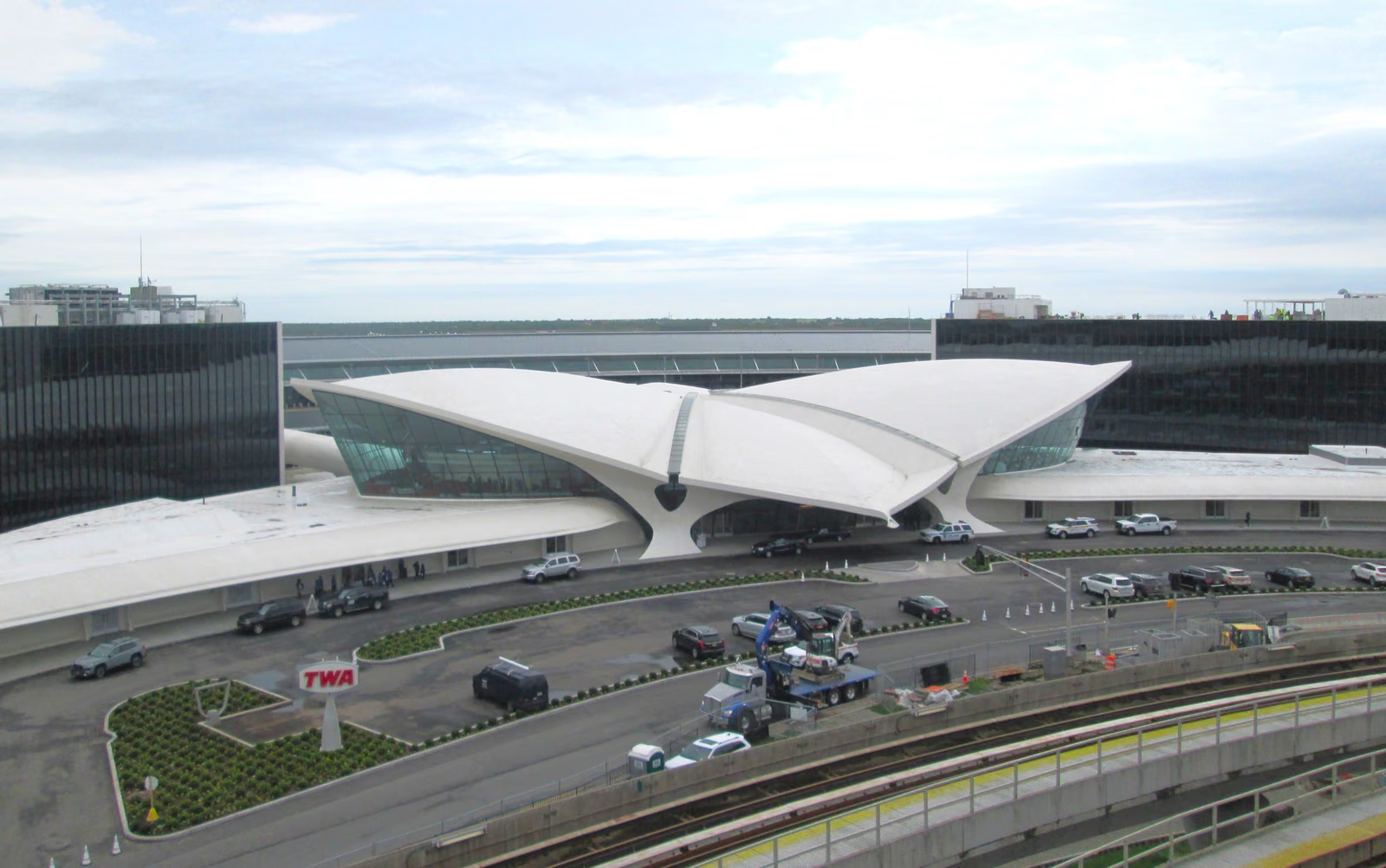
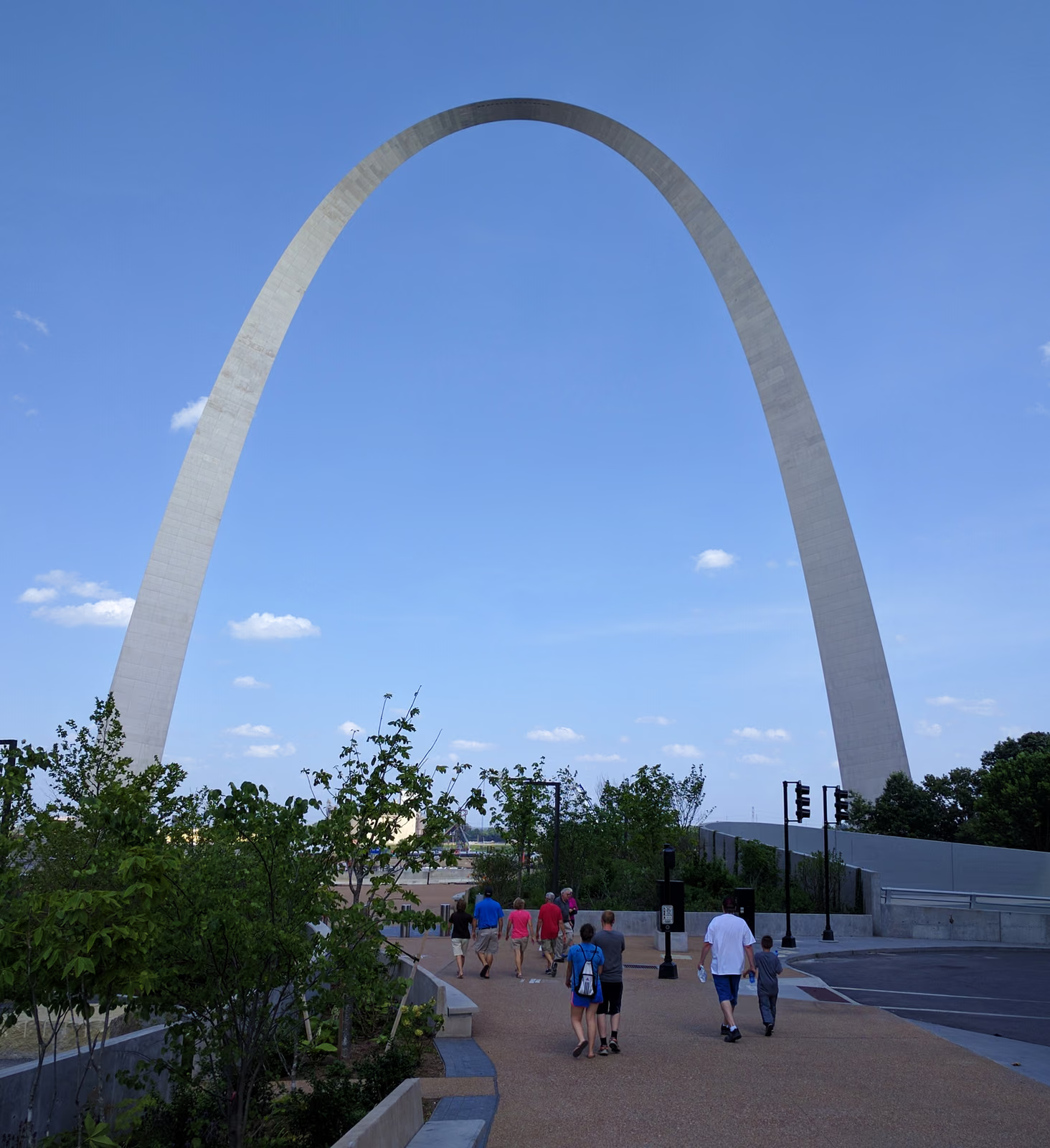
Saarinen was born outside Helsinki, brought to Michigan at thirteen when his father Eliel took over Cranbrook, and studied sculpture in Paris before architecture at Yale. He worked in his father's office until Eliel's death in 1950, by which time he had won the St Louis arch competition with a catenary curve. What followed was deliberately inconsistent: he refused a house style and gave each commission the form he thought its problem demanded. The General Motors Technical Center is a machine-finished steel-and-glass campus; the MIT chapel is a windowless brick cylinder; the TWA terminal and Dulles are thin concrete shells; the CBS Building is a granite-clad tower. Critics of the period read the range as opportunism; it is now generally read as a refusal to let a signature stand in for an argument. He died at fifty-one, and his office completed nine buildings after him.