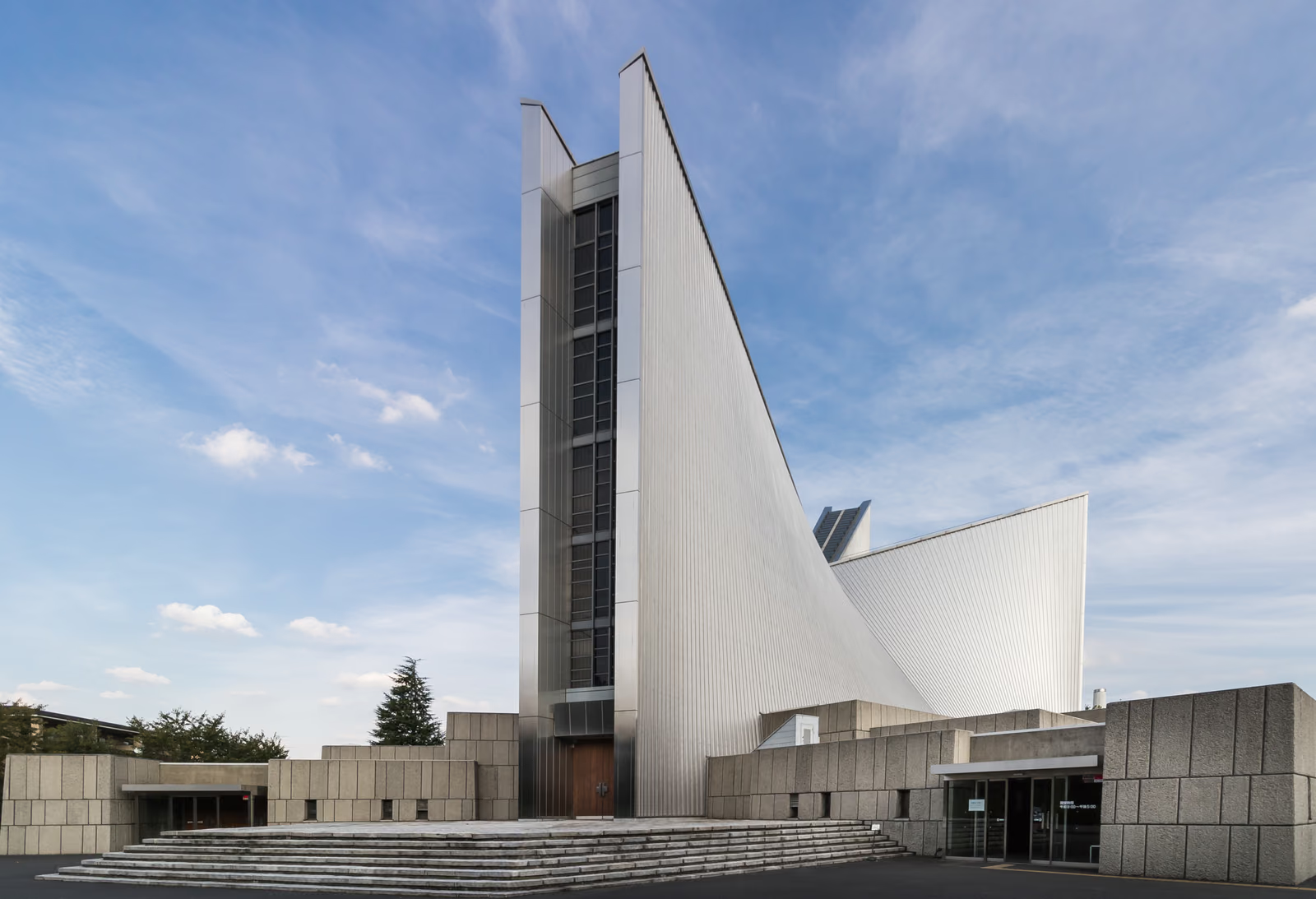
Tokyo's original wooden cathedral, a Gothic-revival building from the 1890s, burned in the March 1945 firebombing that destroyed most of the surrounding district. The Archdiocese gave the replacement to Tange, who was not Catholic and had built almost nothing sacred before. His plan is a diamond in section as much as in footprint: eight hyperbolic-paraboloid shells, cast in concrete over a steel frame, rise from ground level and twist together until their edges meet overhead in a single ridge shaped, seen from above, like a cross. Clad outside in stainless steel that catches the sky's colour and left as raw concrete within, the shells narrow the nave to a slot of light at the highest point rather than opening it with conventional windows. Completed in 1964, the same year as Tange's Olympic gymnasiums, the cathedral needed a full restoration between 1999 and 2007 after decades of leaks through its stainless-steel seams and stained glass, reopening with the structure otherwise unchanged.
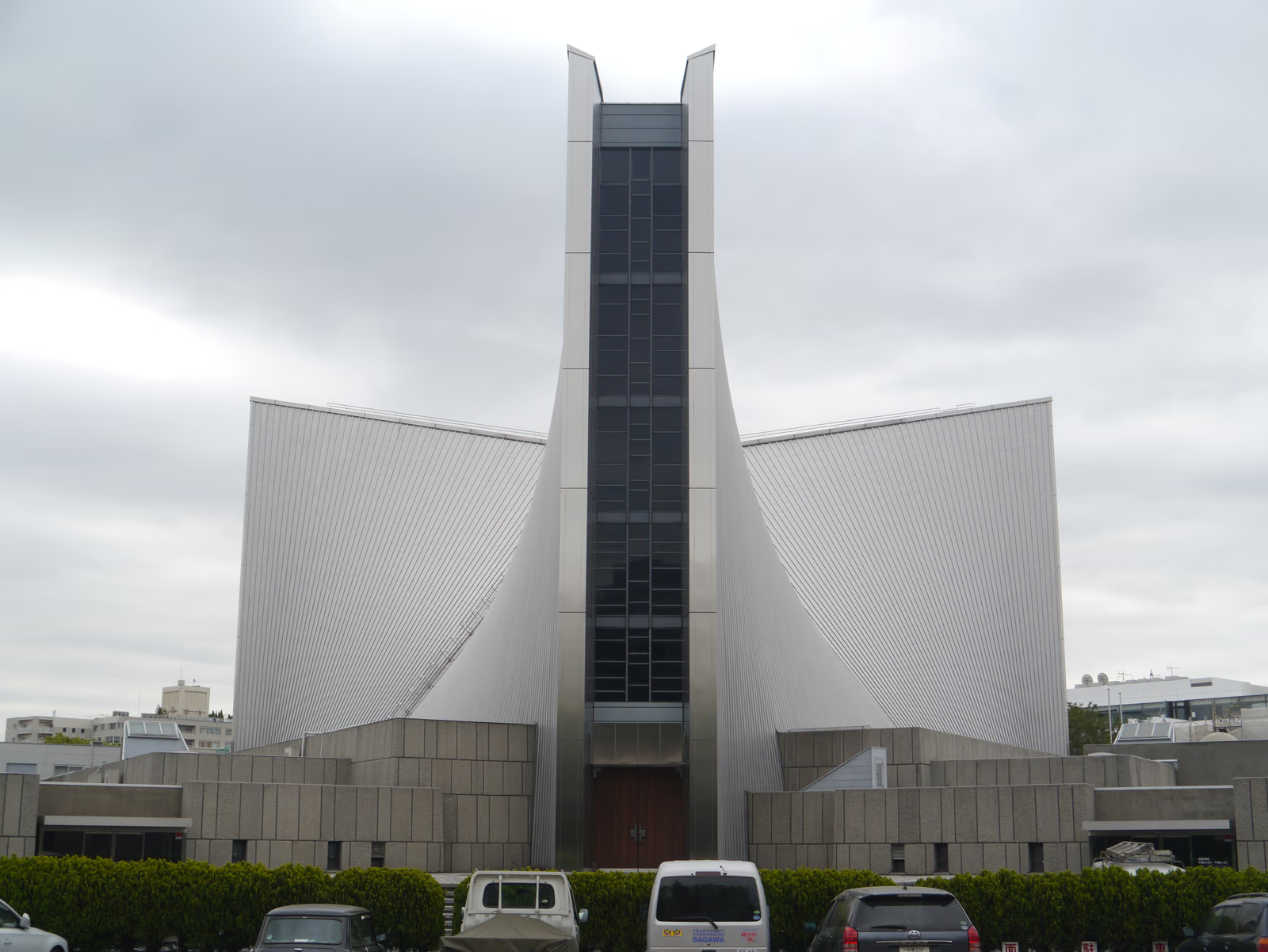
Wikidata Q1193480 · Commons: File:2018 St. Mary's Cathedral Tokyo 1.jpg · Photo: Kakidai · Licence: CC BY-SA 4.0