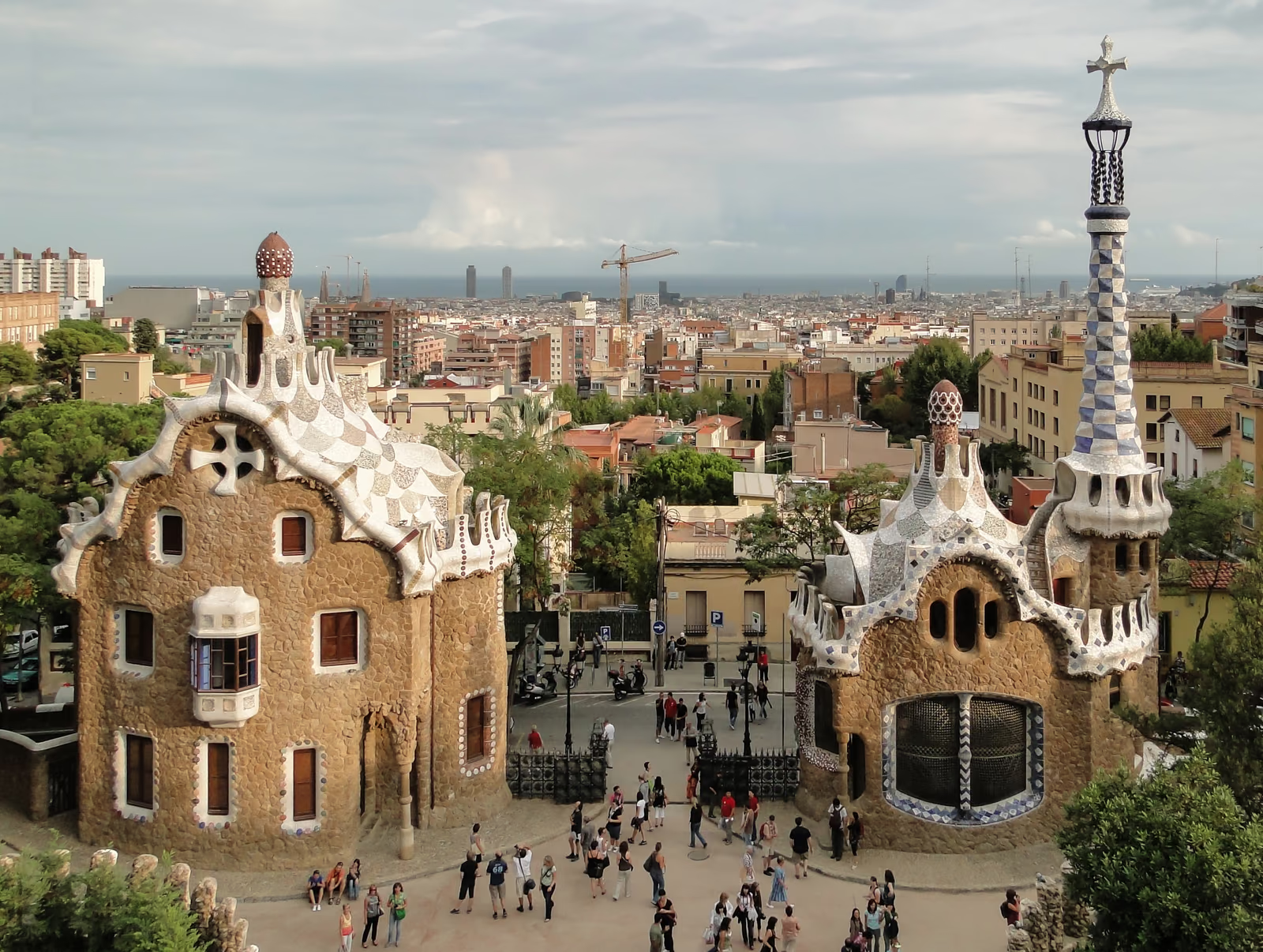
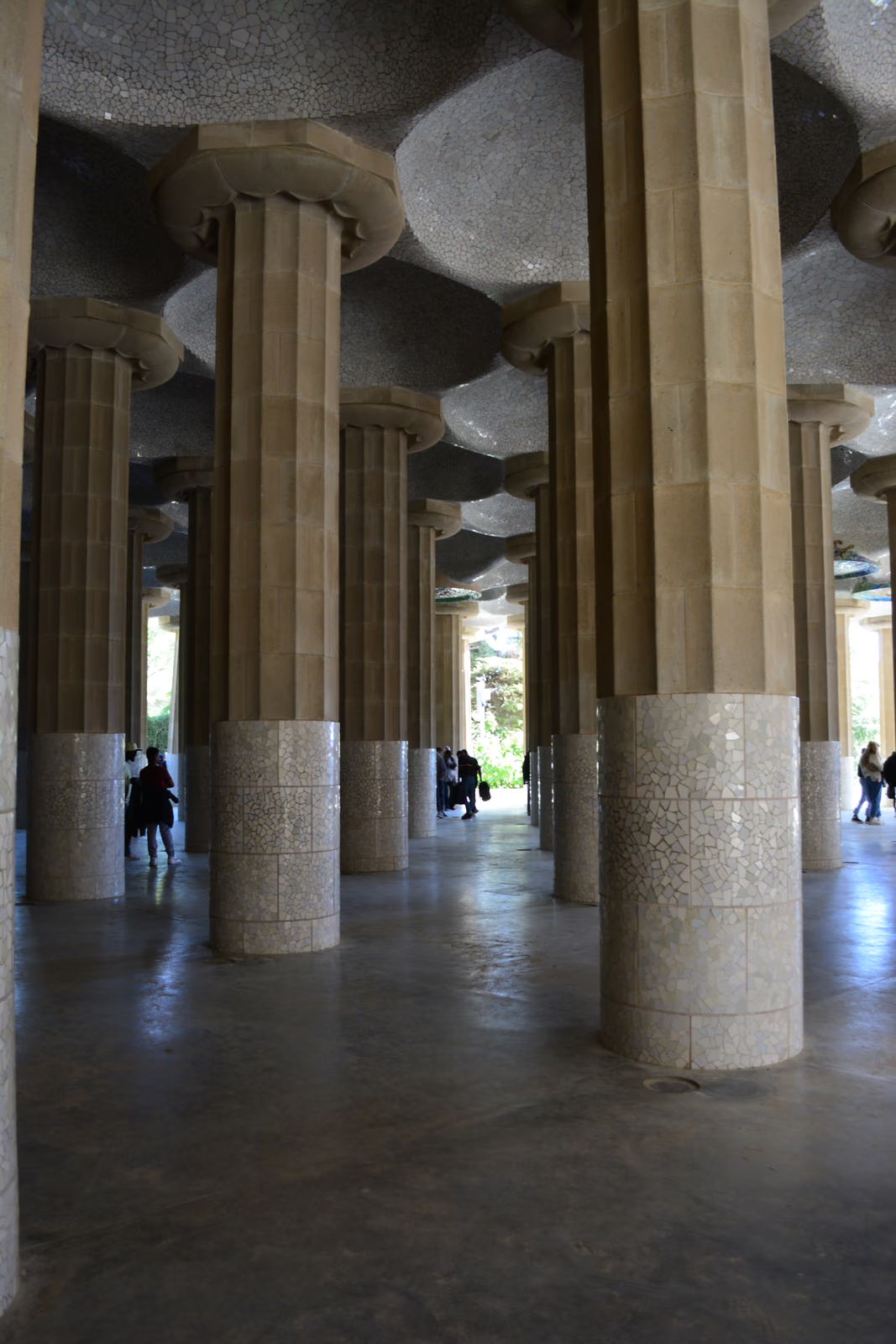
Eusebi Güell hired Gaudí in 1900 to lay out a private garden suburb on a scrubby hillside above Barcelona, modelled loosely on the English garden-city idea he had seen abroad, with sixty triangular plots for detached villas around shared parkland and services. Barcelona’s wealthy did not buy: only two houses went up, one bought by a lawyer and the other, unsold, taken by Güell himself as a family home; the model house built to attract buyers was instead bought by Gaudí, who lived in it for nearly twenty years. What survives from the failed venture is the public infrastructure Gaudí over-built for the size of the audience it got: rubble-stone viaducts following inverted-catenary curves, a hypostyle hall of eighty-six Doric-profile columns meant as a produce market, and a serpentine bench, some 110 metres long, faced entirely in broken ceramic tile. The city bought the abandoned estate and opened it as a public park in 1926, the year Gaudí died.
Wikidata Q212867 · Commons: File:Park Güell 02.jpg · Photo: Bernard Gagnon · Licence: CC BY-SA 3.0