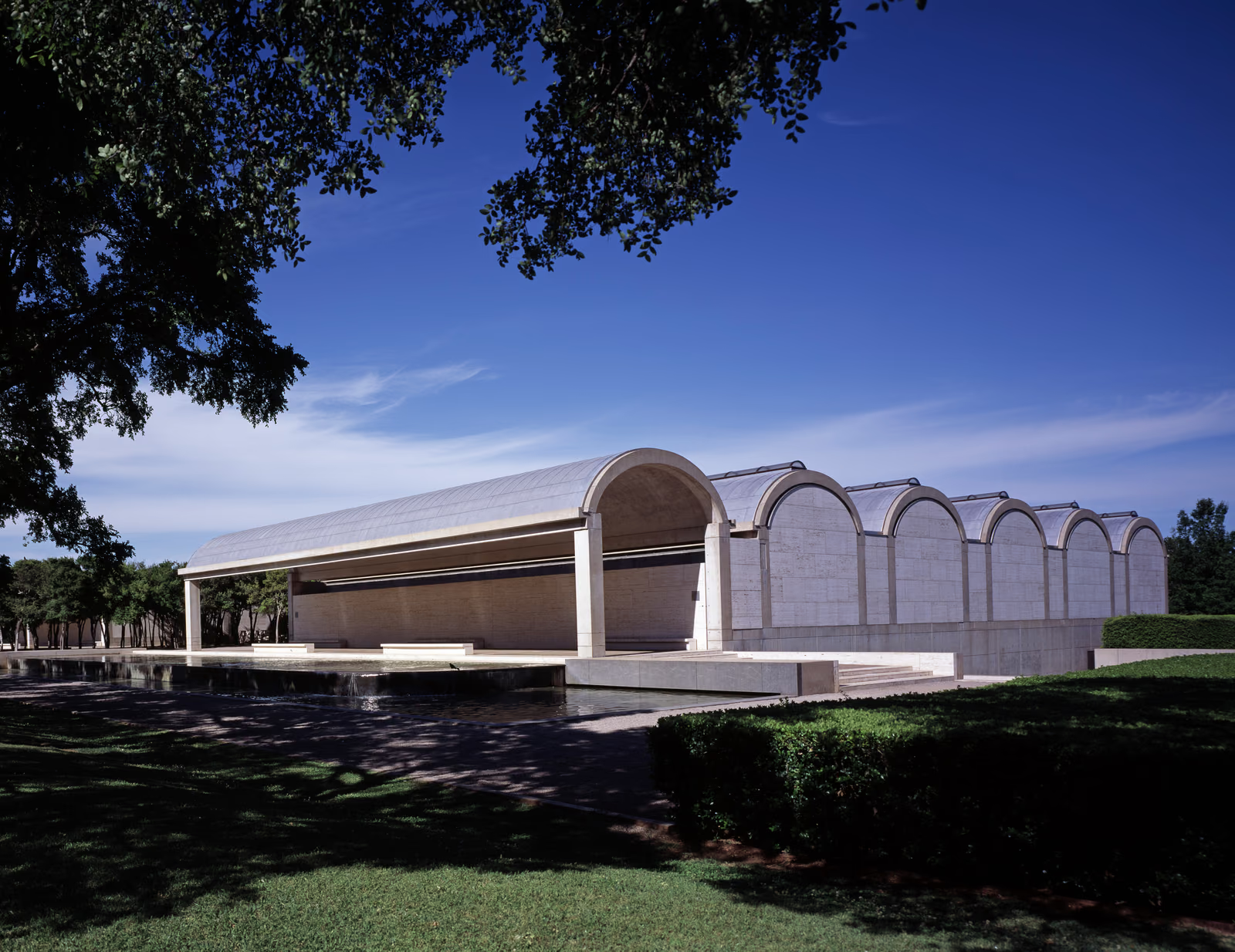
The Kimbell Art Foundation hired Kahn in October 1966 with an unusual brief: design toward natural light, not toward a floor plan. He answered with sixteen parallel cycloid vaults, each a shallow concrete arch just over one hundred feet long, resting on slender travertine-clad piers at four points so that the walls beneath carry nothing and can open freely to the entry courts at either end. A narrow skylight runs the length of every vault's crown; rather than let sun strike the galleries directly, Kahn hung a perforated aluminum reflector, shaped like an airplane wing in cross-section, just beneath the slot, so the light that finally reaches the polished concrete ceiling has already been scattered twice. The effect changes with the hour and the weather outside, and the museum has kept it uncovered by climate-control ductwork, which runs instead through the narrow gaps between vaults. Kahn died in 1974, two years after the building opened, without seeing what critics would call it: the AIA's Twenty-five Year Award came in 1998, and the architecture critic Robert Campbell named it the best American building of the second half of the twentieth century. When the museum needed more space, in 2013, it built an entirely separate pavilion by Renzo Piano across the lawn rather than touch Kahn's original.
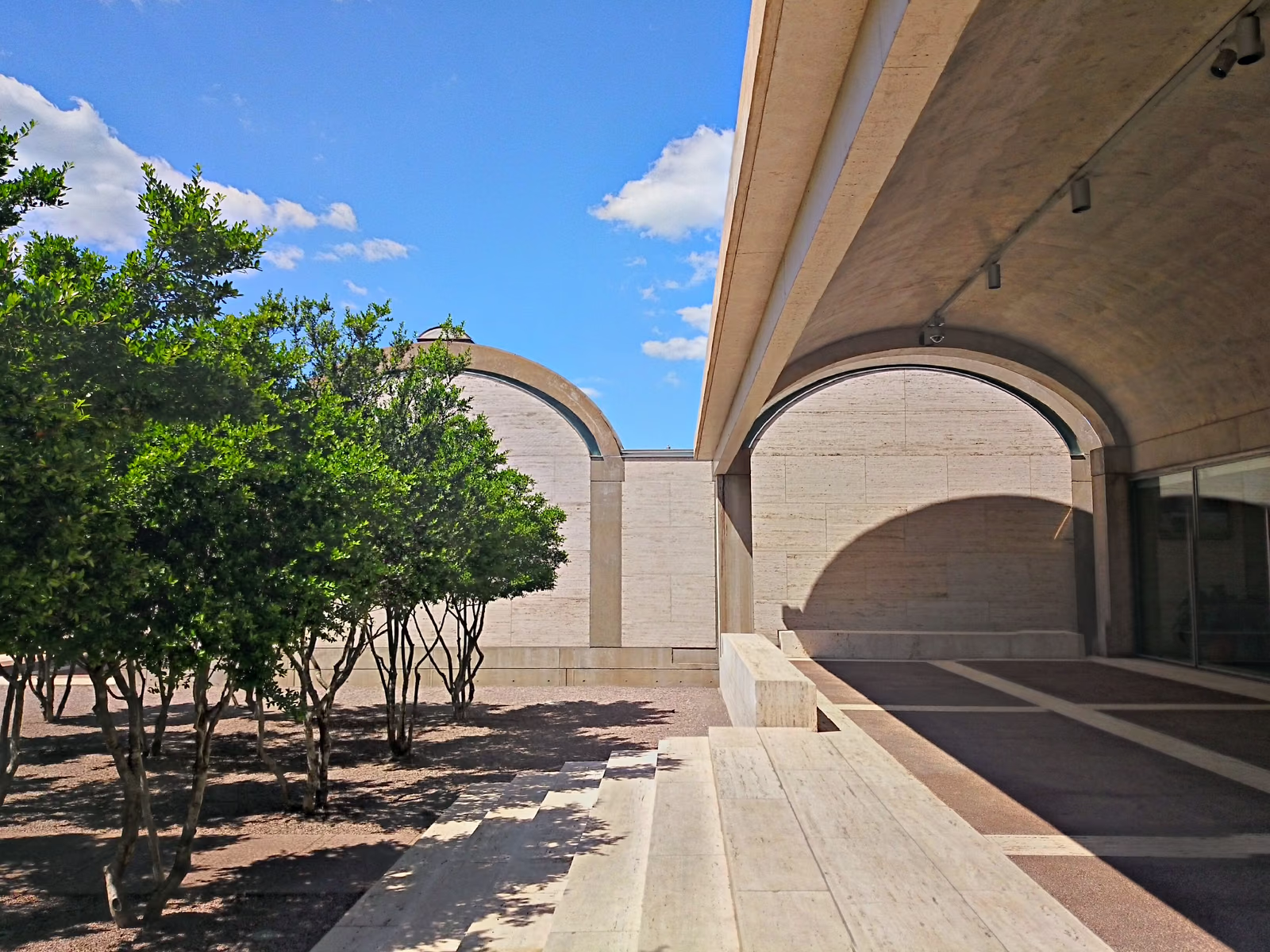
Wikidata Q1741629 · Commons: File:Kimbell Art Museum Highsmith.jpg · Photo: Carol M. Highsmith · Licence: PD