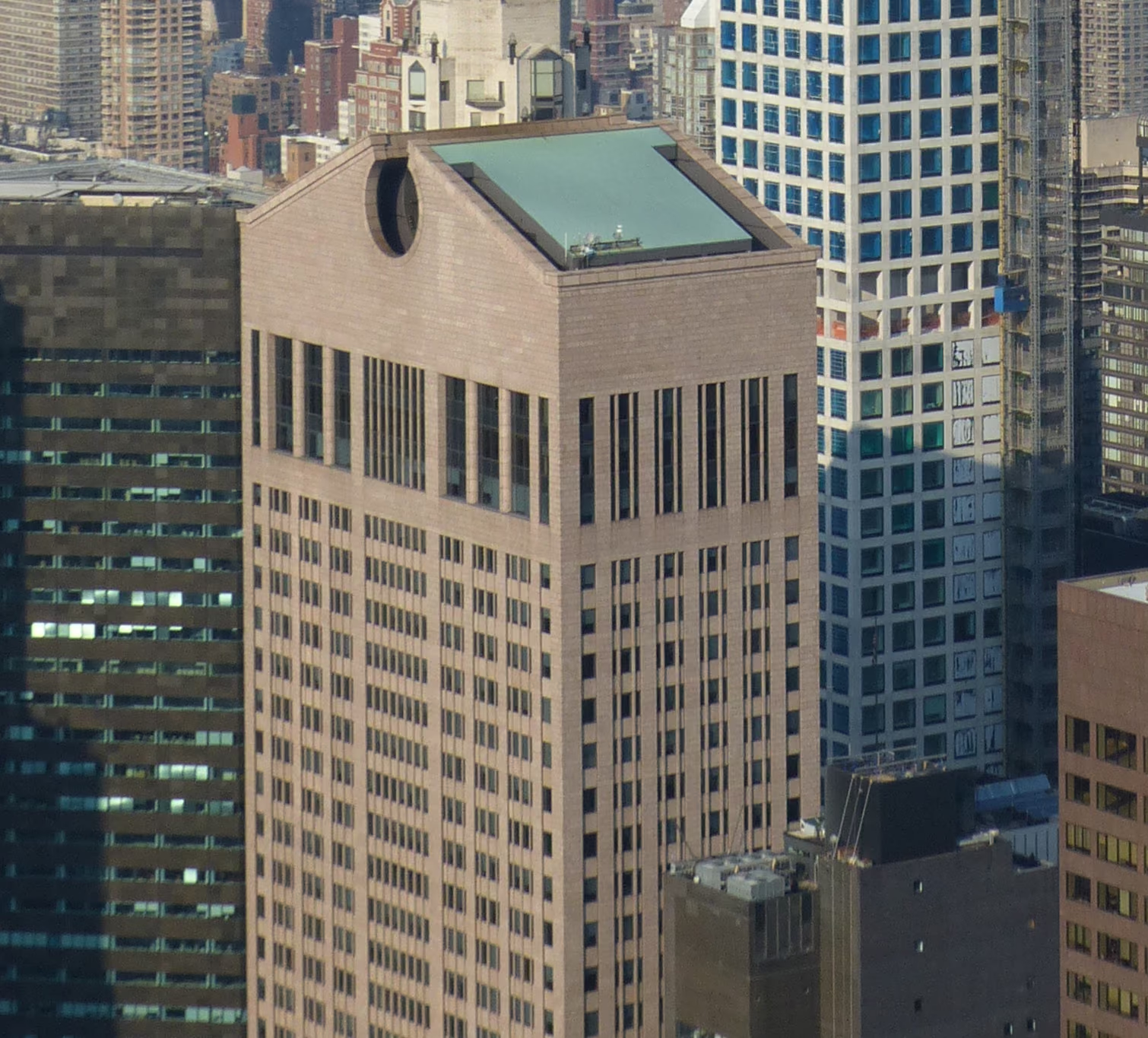
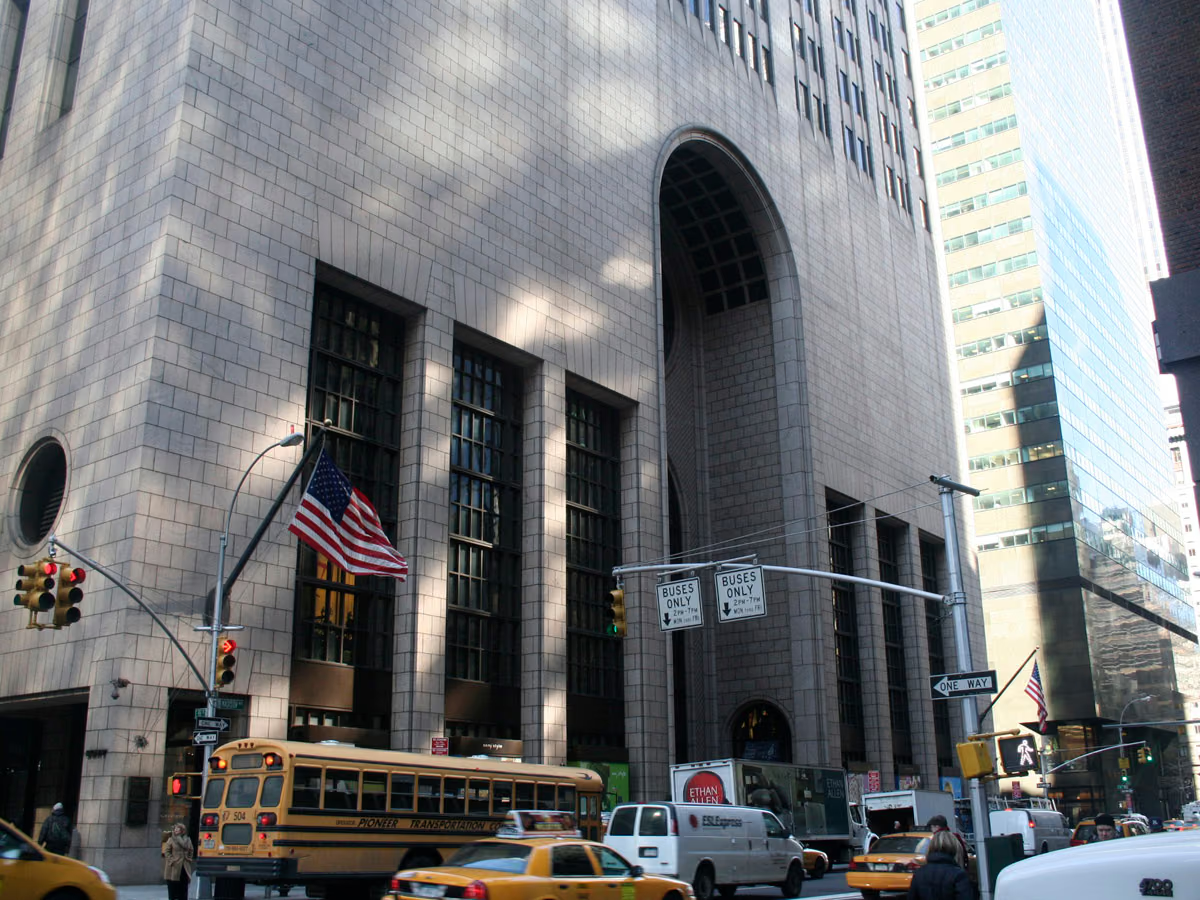
AT&T asked Johnson and his partner John Burgee for a headquarters that would announce the end of the glass-box tower Johnson himself had helped establish as the corporate default, and the design that resulted, unveiled in 1978, put a granite-clad skyscraper under a broken pediment lifted almost whole from an eighteenth-century highboy, with a ten-metre oculus cut through its centre. Underneath, a Romanesque-scaled arched entrance sixty metres high opens onto a barrel-vaulted galleria, so that the building announces its historical borrowings at both ends at once. Critics and the public argued over the pediment for years before it was built and have not entirely stopped since; the design is nonetheless generally credited as the building that made postmodern classicism a viable idiom for American corporate architecture rather than a stylistic curiosity. AT&T leased the building to Sony in 1991 with an option to buy, which Sony exercised in 2002 for $236 million; Sony occupied it as its American headquarters until 2016, after which new owners gutted and rebuilt the interior behind a facade that New York City's Landmarks Preservation Commission protected in 2018 over the renovators' own objections.
Wikidata Q1477826 · Commons: File:550 Madison Avenue July2015.JPG · Photo: Citizen59 · Licence: CC BY 3.0