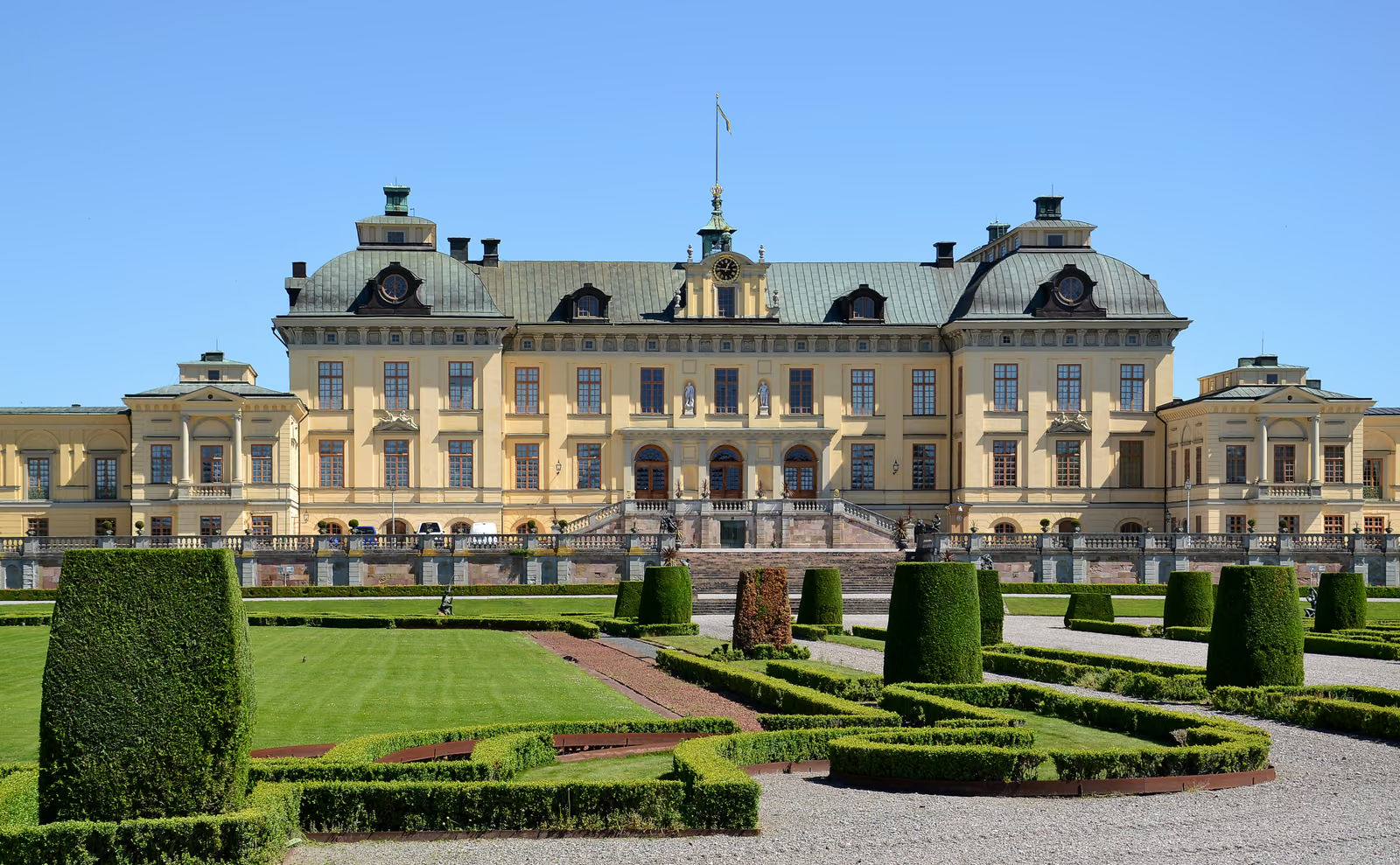
Born in Stralsund in Swedish Pomerania, Nicodemus Tessin the Elder came to Stockholm as a young man and worked alongside Simon de la Vallée before travelling through Germany, Italy, France and the Netherlands to study the new Baroque at first hand. He returned to a country enlarged and enriched by the Peace of Westphalia, and became the architect of its self-image: Skokloster and Borgholm castles, the Bonde and Wrangel palaces in Stockholm, Kalmar Cathedral, and — for the dowager queen Hedwig Eleonora — Drottningholm Palace, begun in 1662 and inscribed as a World Heritage Site in 1991. His manner is Italian and French in vocabulary but Swedish in temper: long, evenly ranked façades, restrained rustication, a giant order used sparingly. He founded a dynasty. When he died in 1681 his son Nicodemus Tessin the Younger inherited both the office and its unfinished commissions.