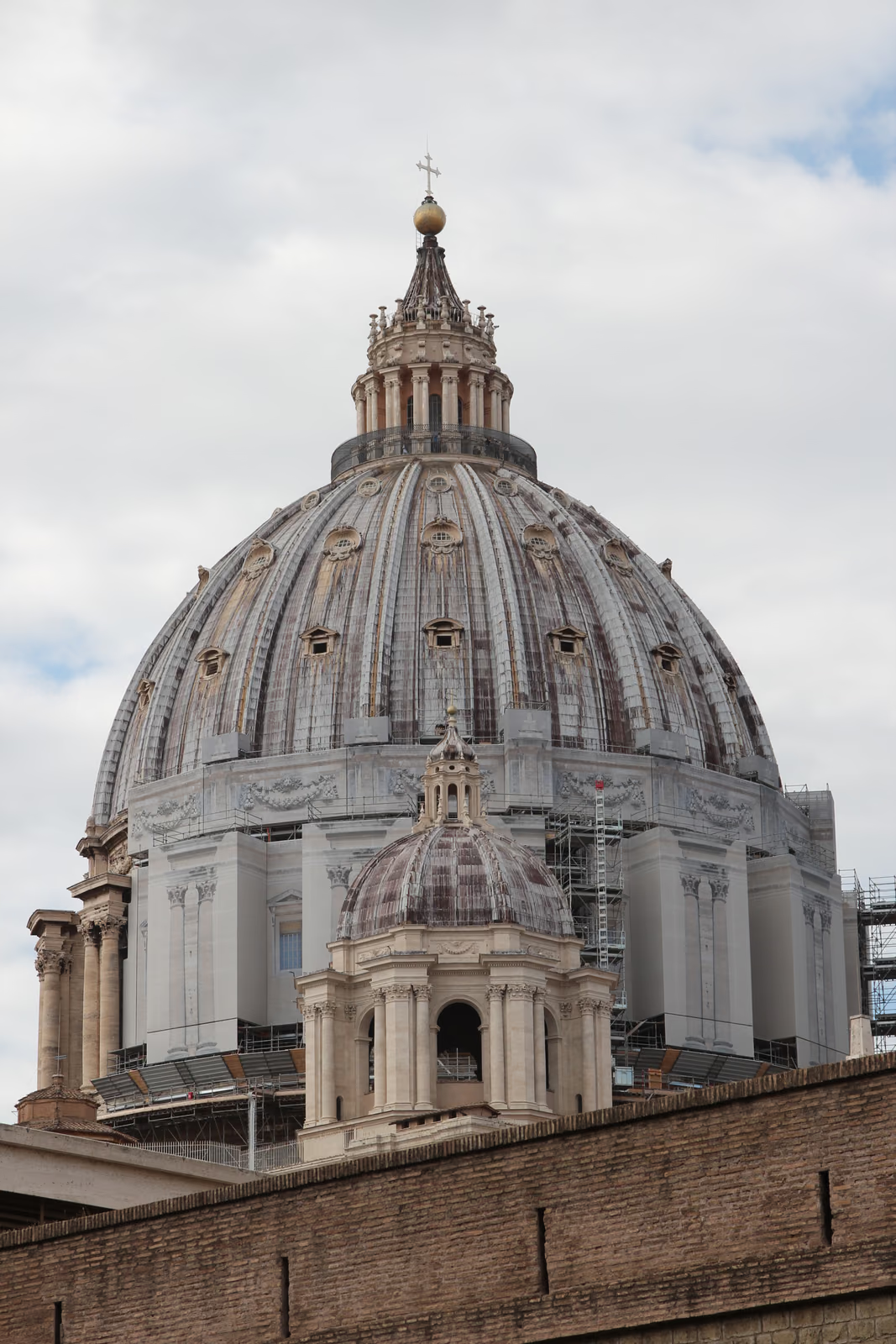
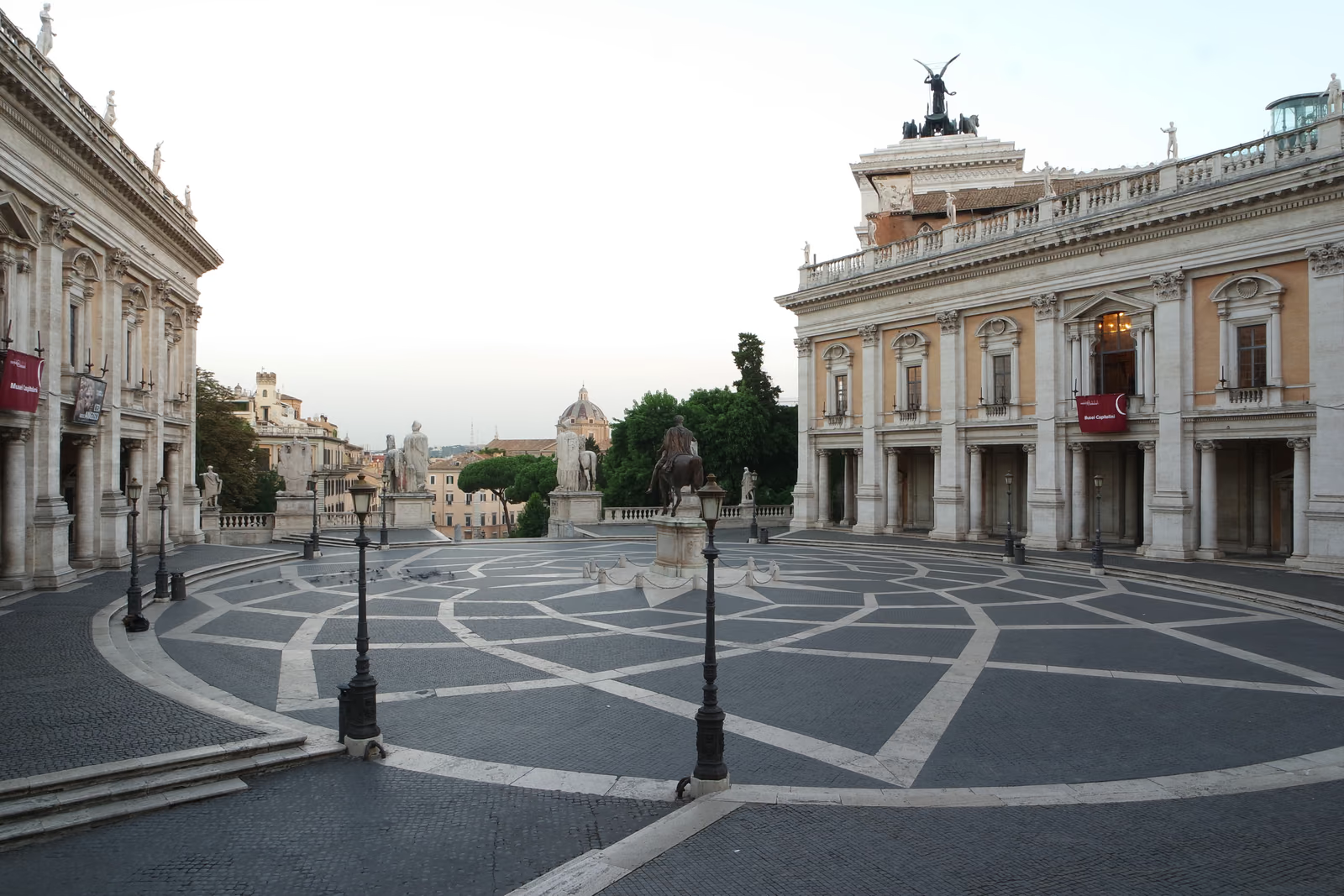
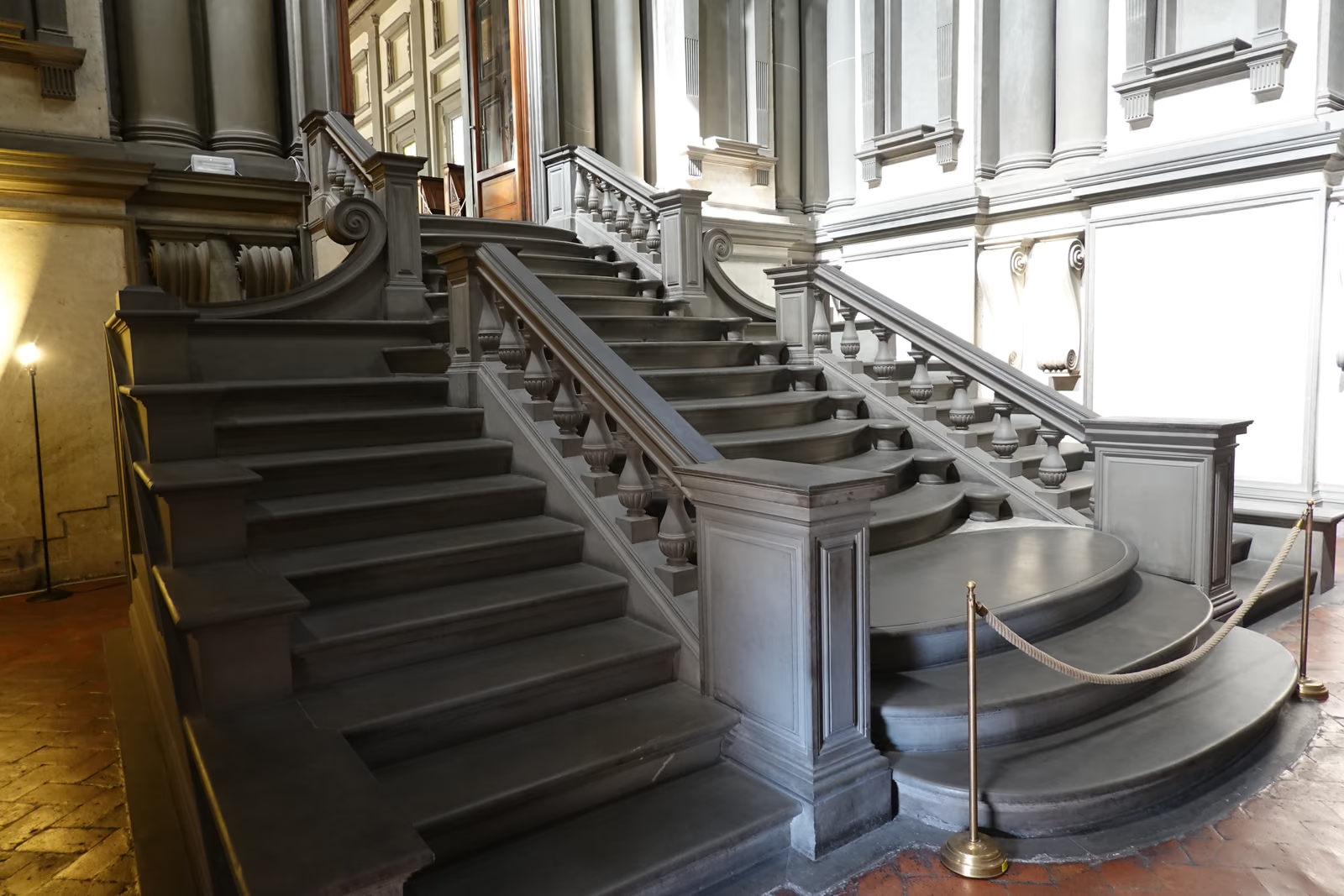
Michelangelo Buonarroti trained as a sculptor and painter and came to architecture only in his forties, first as an amateur consultant on the facade of San Lorenzo — a commission from Pope Leo X that was never built — and then, decisively, in the 1520s at the same church's Laurentian Library, where he treated the wall itself as sculpted mass: recessed columns, blind tapering windows, and a cascading pietra serena staircase that reads as poured rather than built. Later commissions took him to Rome: a new civic square on the Capitoline Hill for Pope Paul III, and finally, in 1546 at the age of seventy-one, chief architect of St Peter's Basilica, where he returned Bramante's plan to a centralized Greek cross and designed the crossing dome, raised only after his death in 1564. His architecture is often read as Mannerism's beginning: rules quoted only to be strained against.
Wikidata Q856419 · Commons: File:Staircase of the Laurentian LIbrary, 15th century, designed by Michelangelo; Florence (2) (48768620157).jpg · Photo: Richard Mortel · Licence: CC BY 2.0