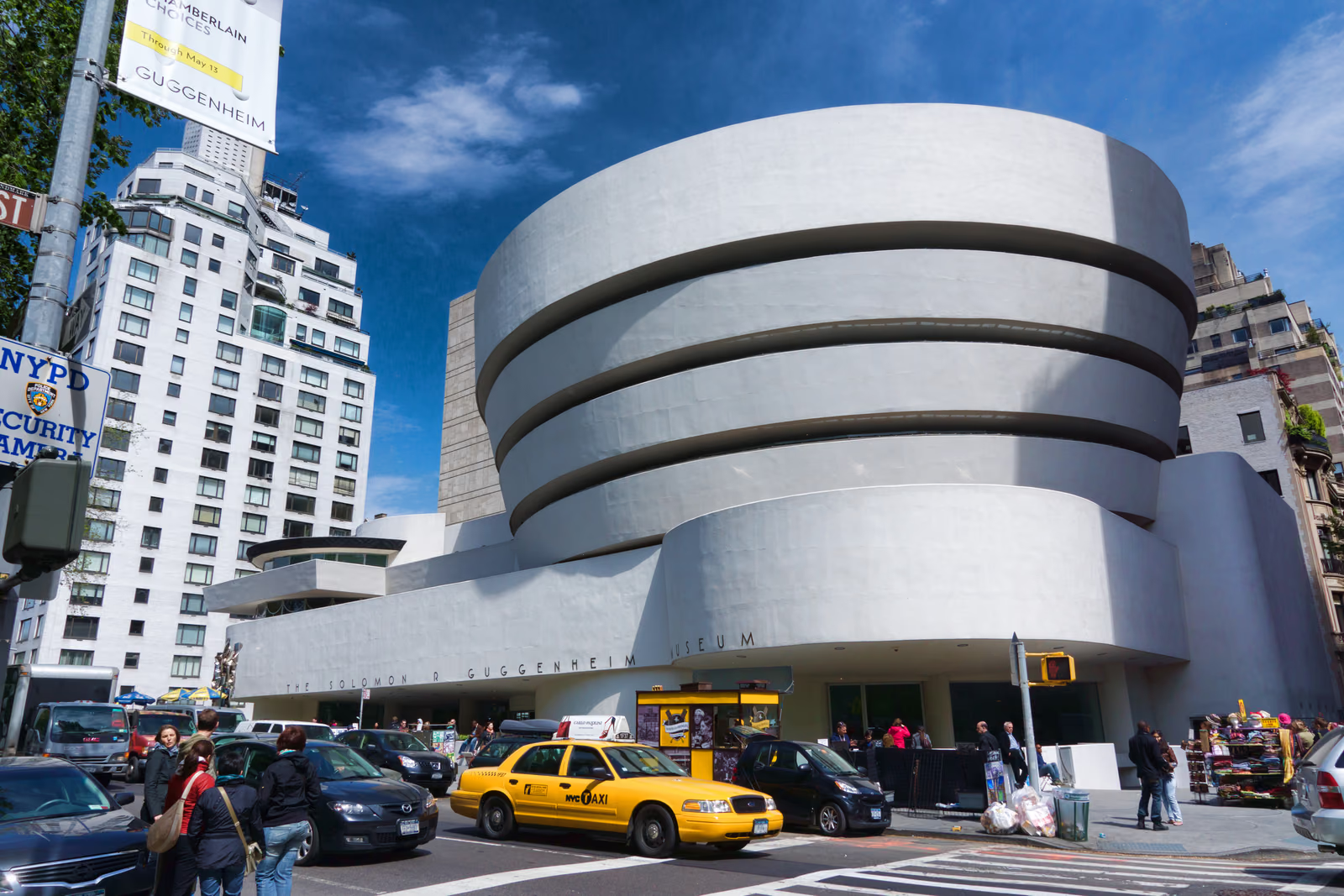
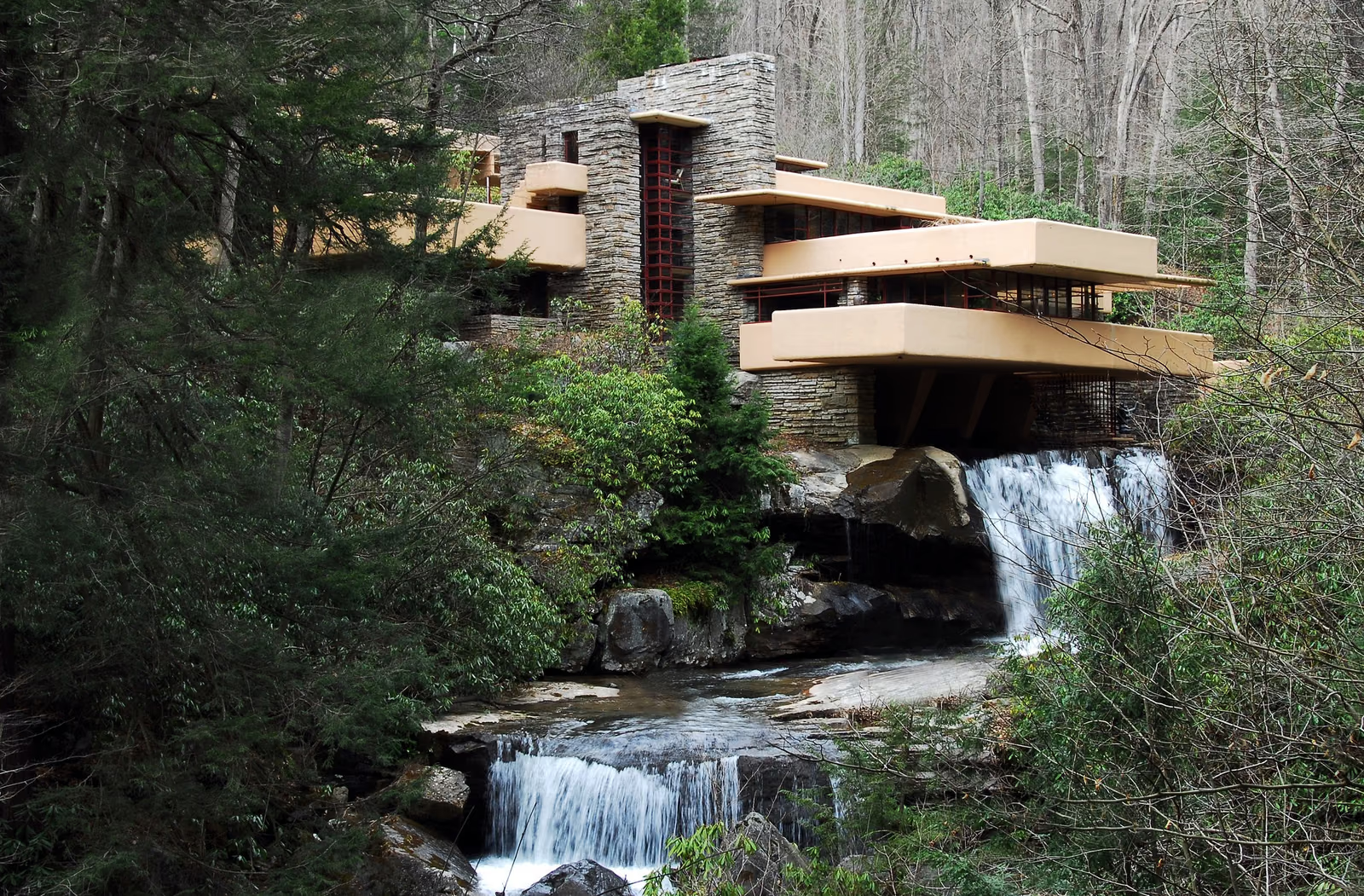
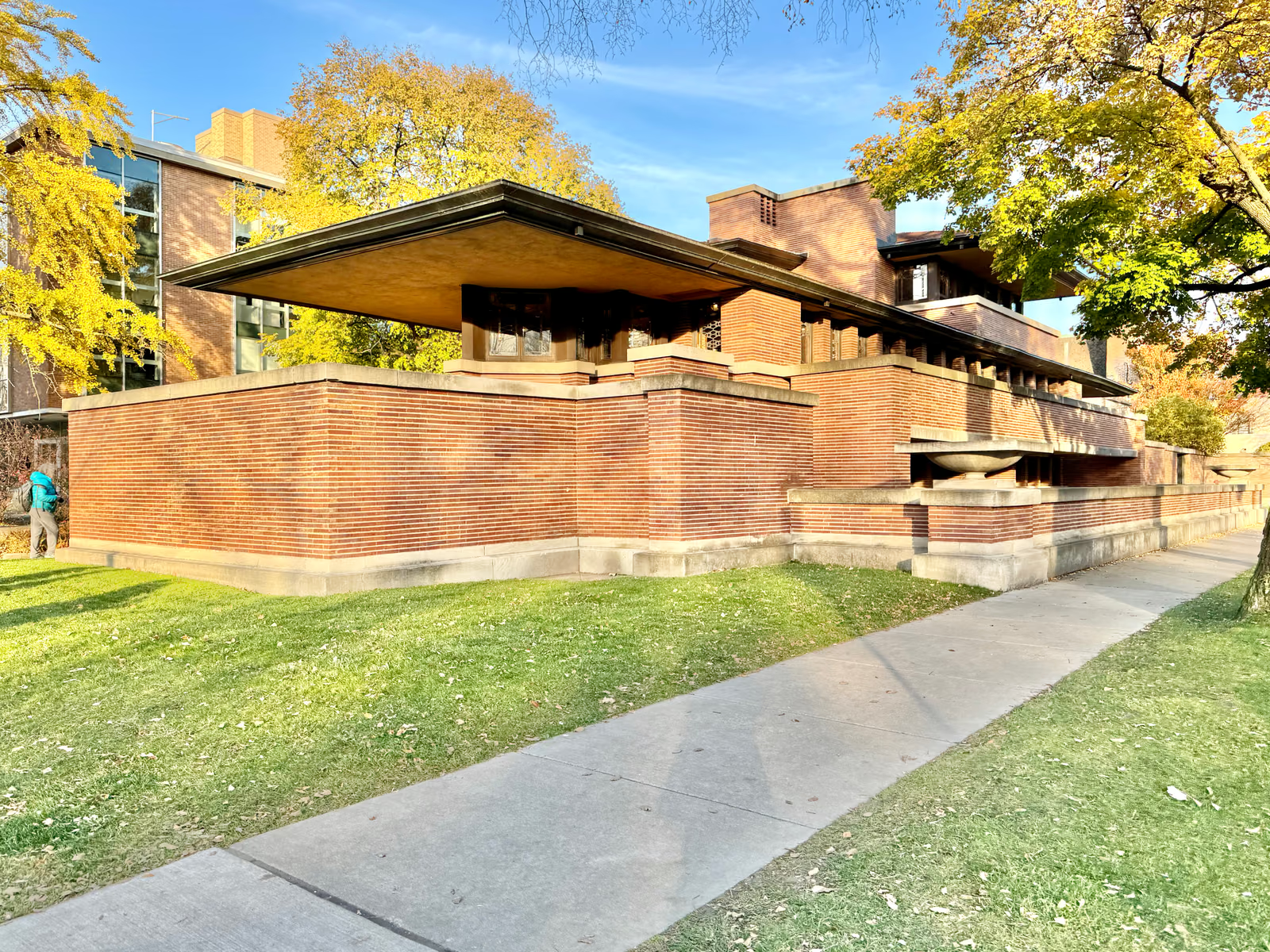
Wright left Louis Sullivan's office in 1893 and spent the next fifteen years dismantling the Victorian house: the Prairie plan pushed the rooms out from a central hearth, dropped the ceilings, ran the windows in bands and let the roof float. He called the result organic architecture, meaning that plan, structure, site and ornament should be generated together from one idea rather than assembled from parts. A career of about seventy years produced Unity Temple, one of the first buildings in the United States cast entirely in exposed concrete; the Imperial Hotel in Tokyo; Fallingwater, cantilevered over its waterfall; the Johnson Wax administration building with its tapered mushroom columns; some sixty low-cost Usonian houses; and finally the Guggenheim, a single ascending ramp. Eight of his buildings were inscribed together as a UNESCO World Heritage Site in 2019.