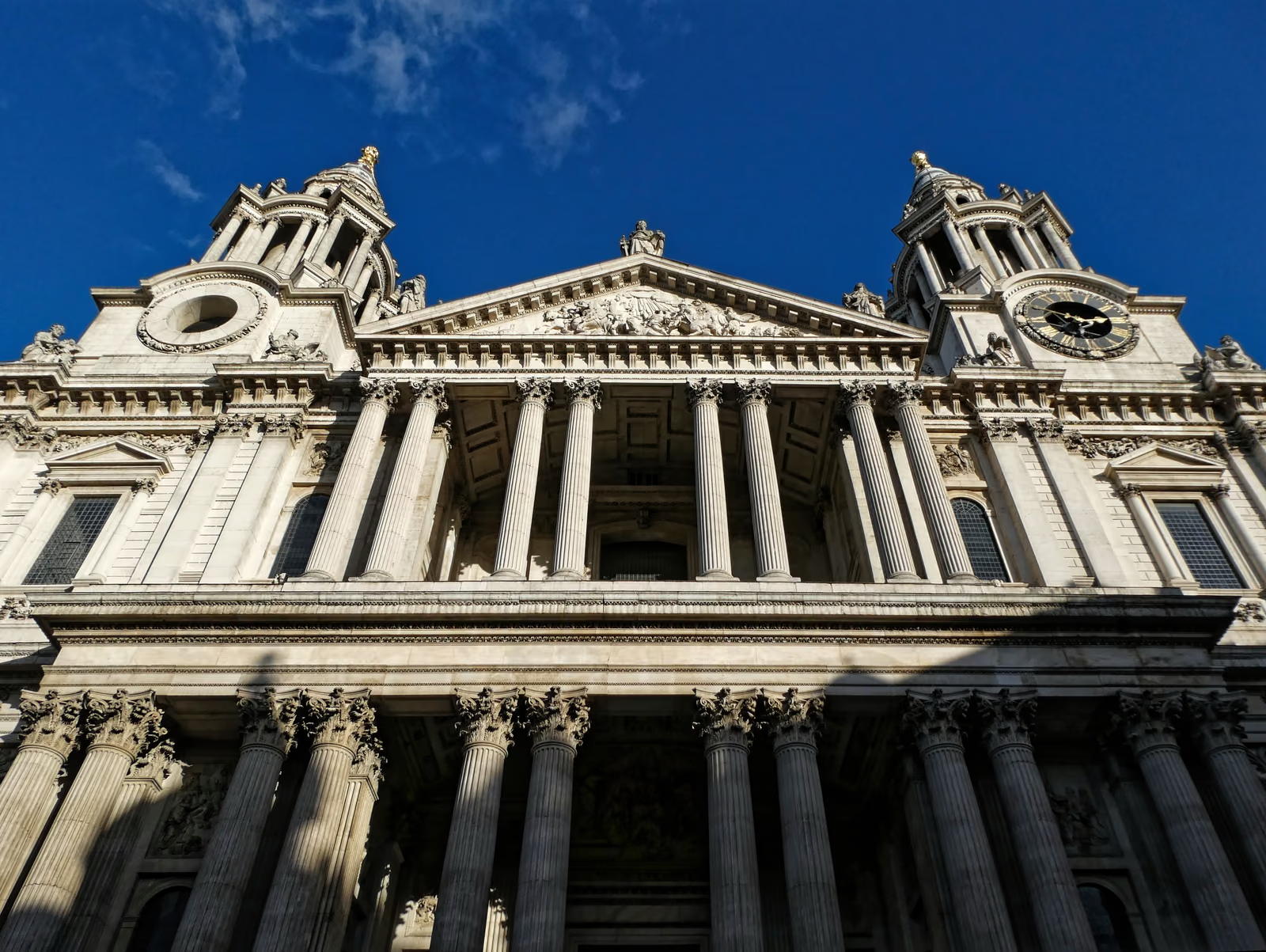
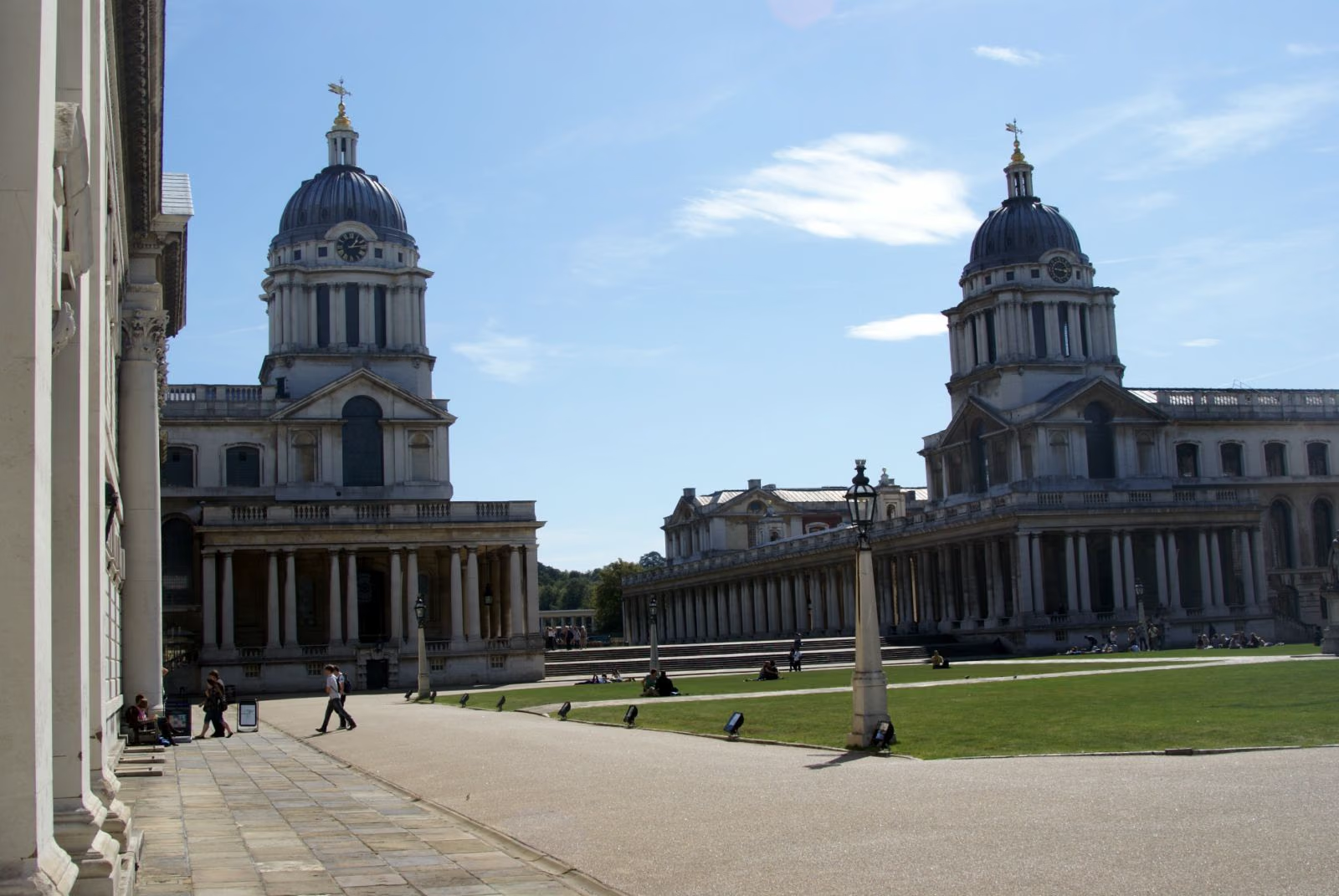
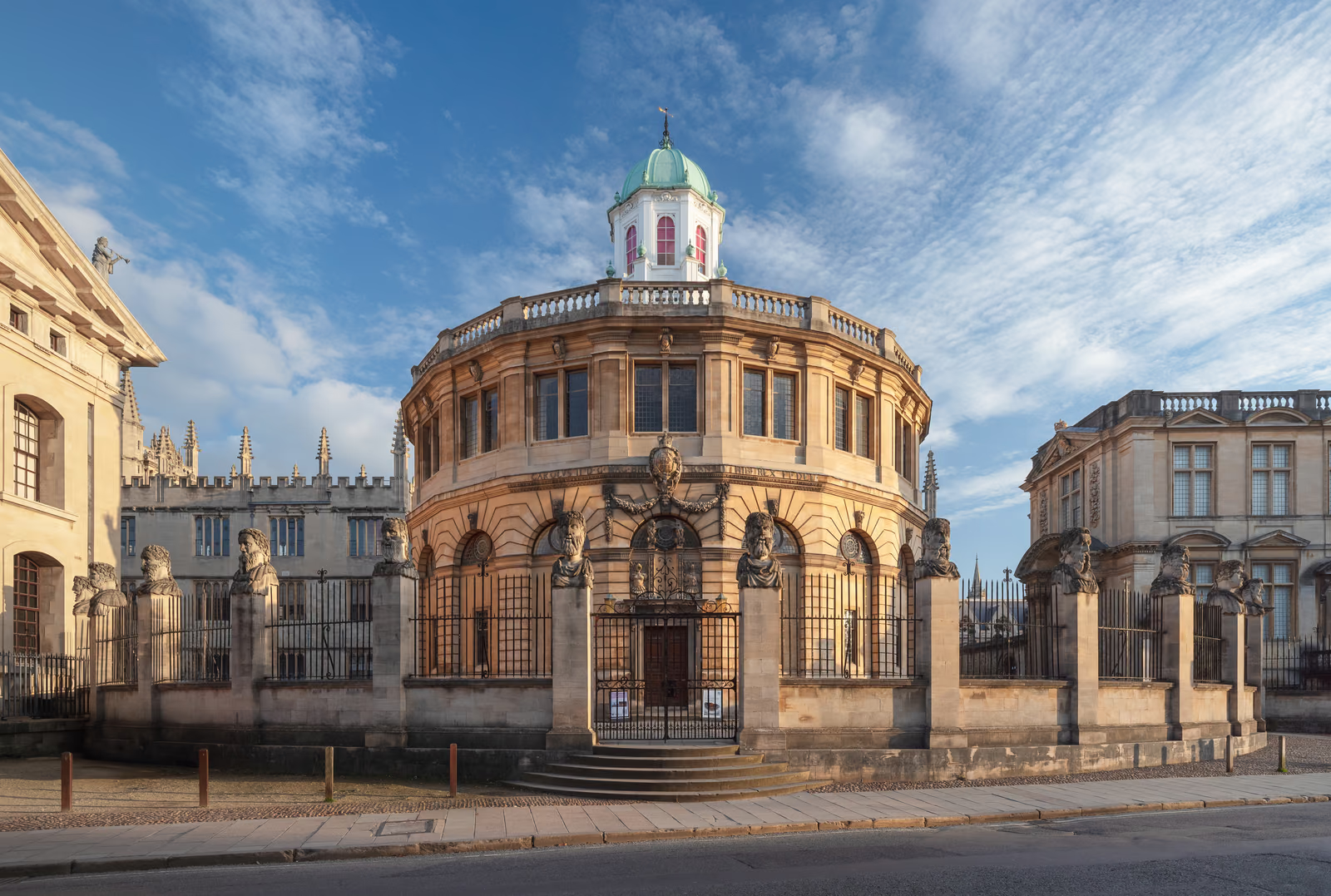
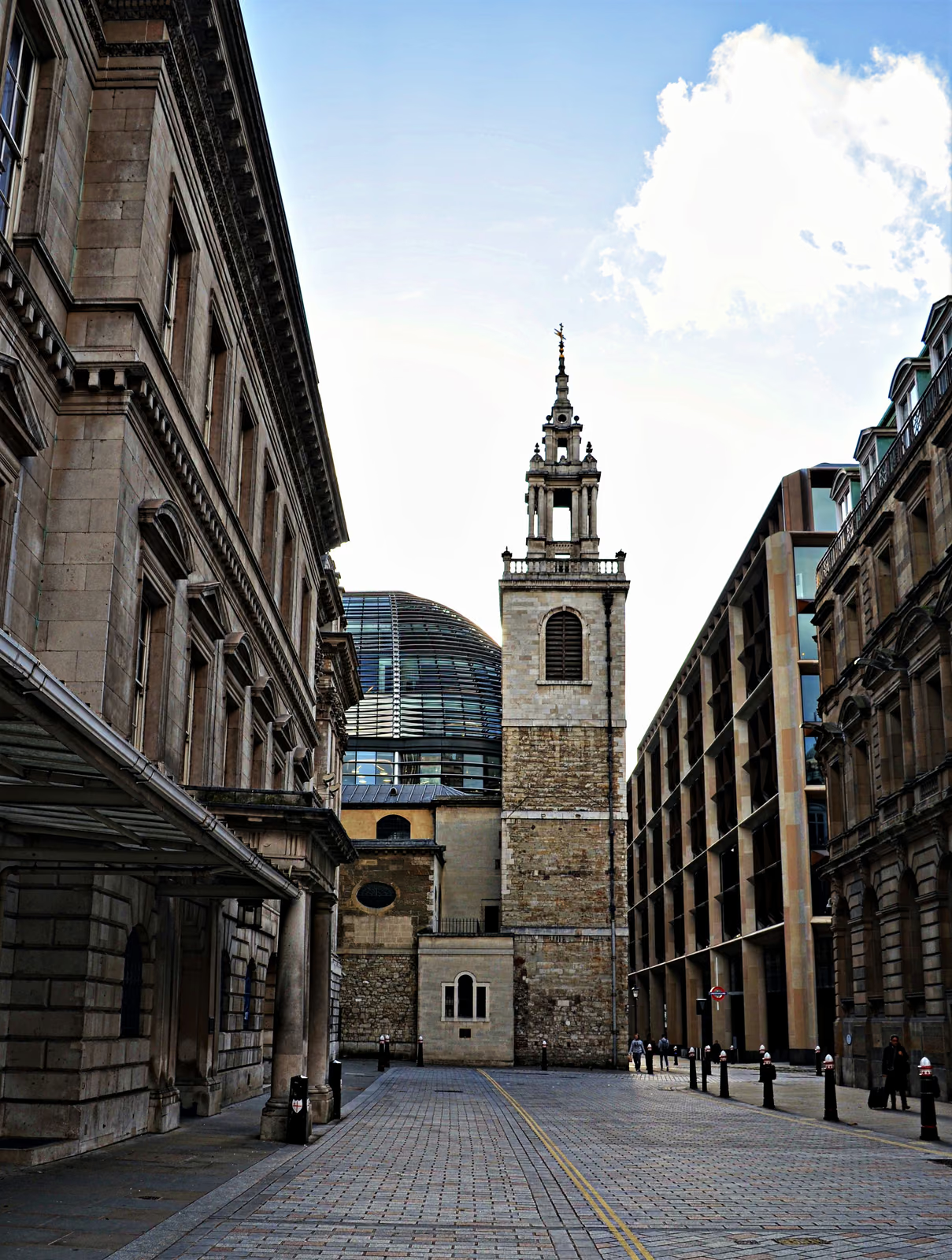
Christopher Wren came to architecture from astronomy. A Savilian Professor at Oxford and a founder of the Royal Society, he was past thirty before he designed a building, and it was the Great Fire of 1666 that handed him a city to rebuild. As Surveyor of the King's Works he carried St Paul's Cathedral and some fifty City parish churches at once, running a drawing office whose assistants included Nicholas Hawksmoor. His method was empirical rather than doctrinaire: he read Italian and French classicism through the long, transept-heavy plan of the English medieval cathedral, and he solved problems by geometry. The triple dome of St Paul's is the clearest case — a hidden brick cone carries the stone lantern that neither visible shell could bear. He built in Portland stone, kept his steeples slender and endlessly varied, and gave London a skyline that held for three centuries.
Wikidata Q1753590 · Commons: Greenwich - Grand Square - View South on Two Domes of Greenwich Hospital.jpg · Photo: Txllxt TxllxT · Licence: CC BY-SA 4.0