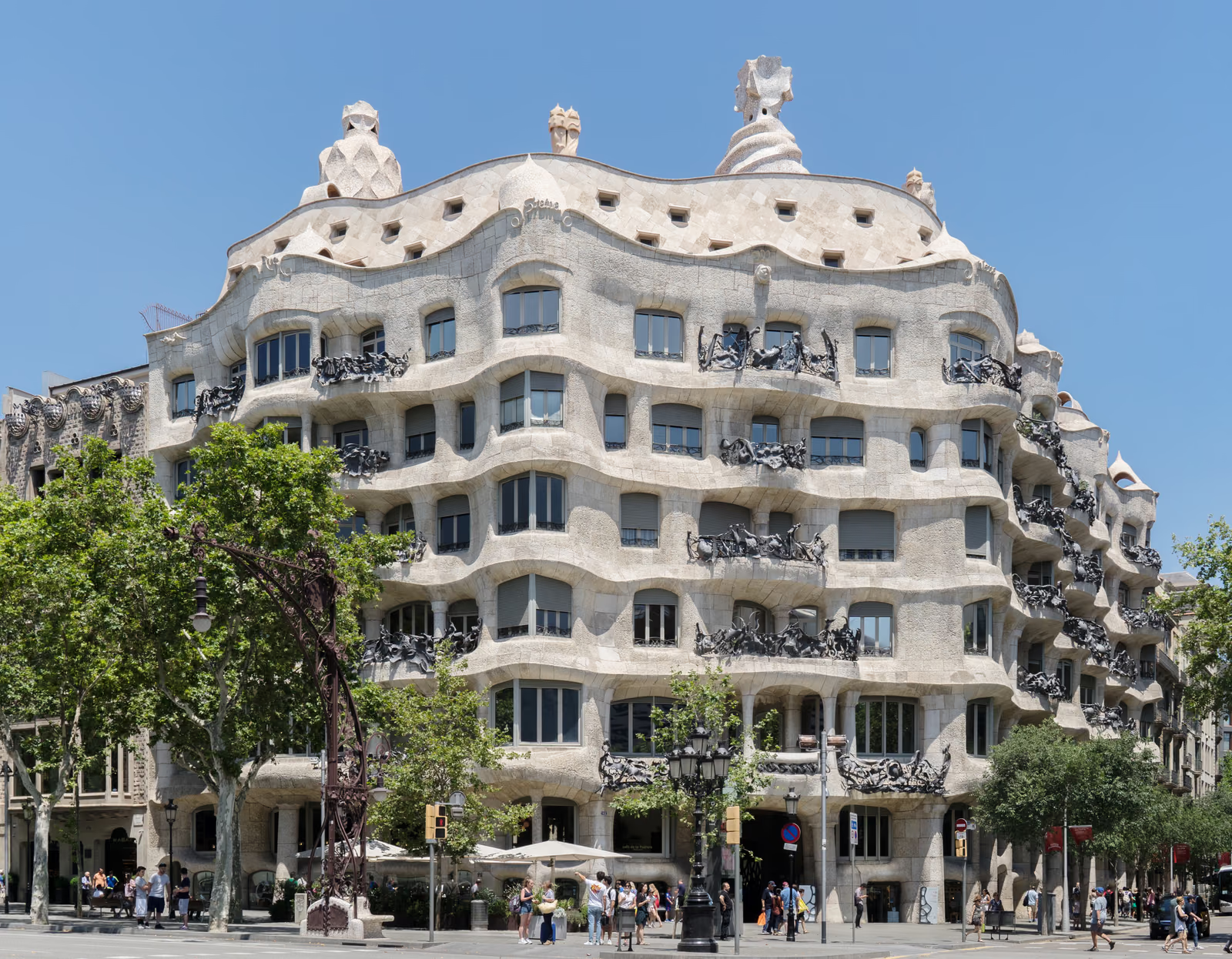
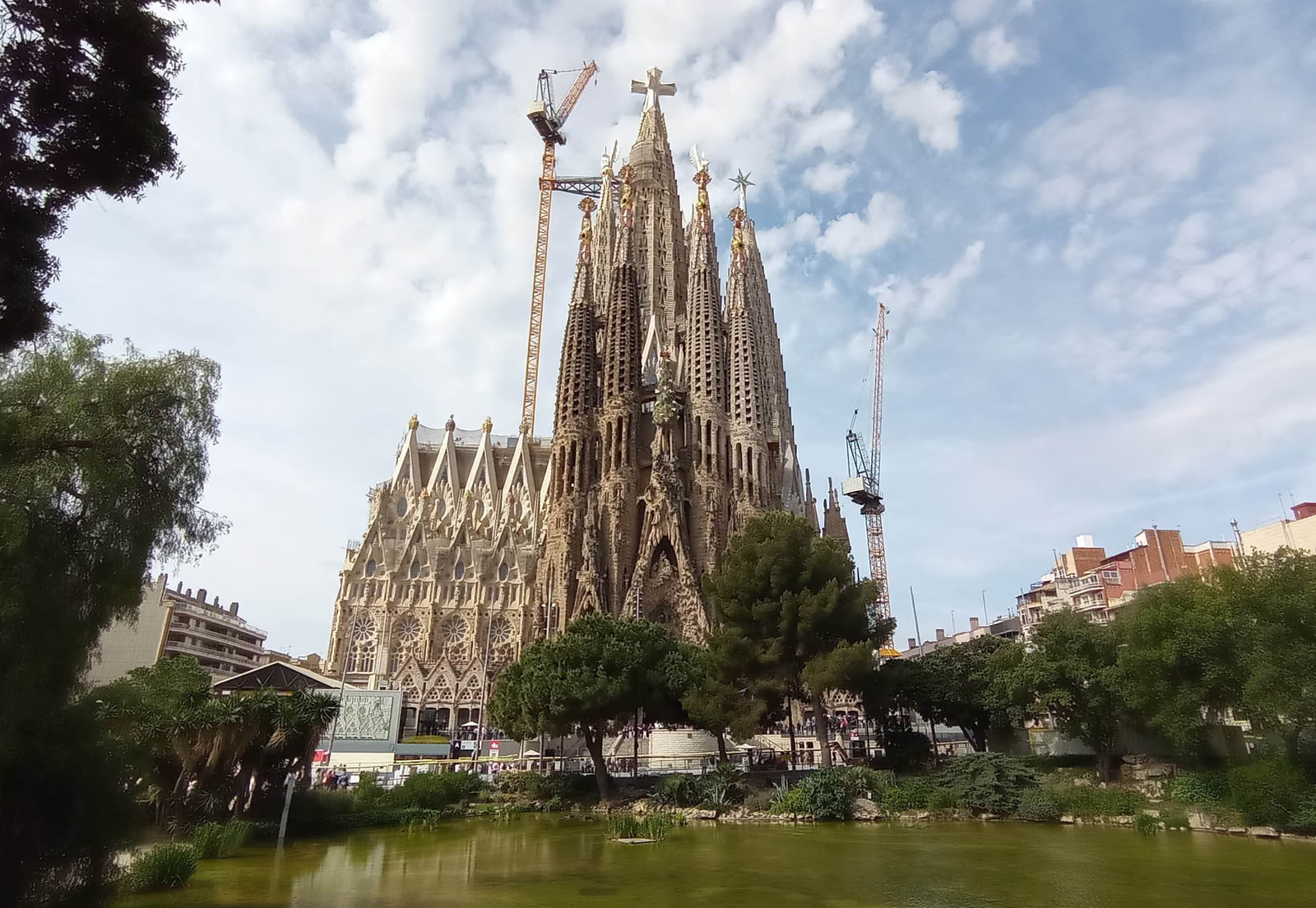
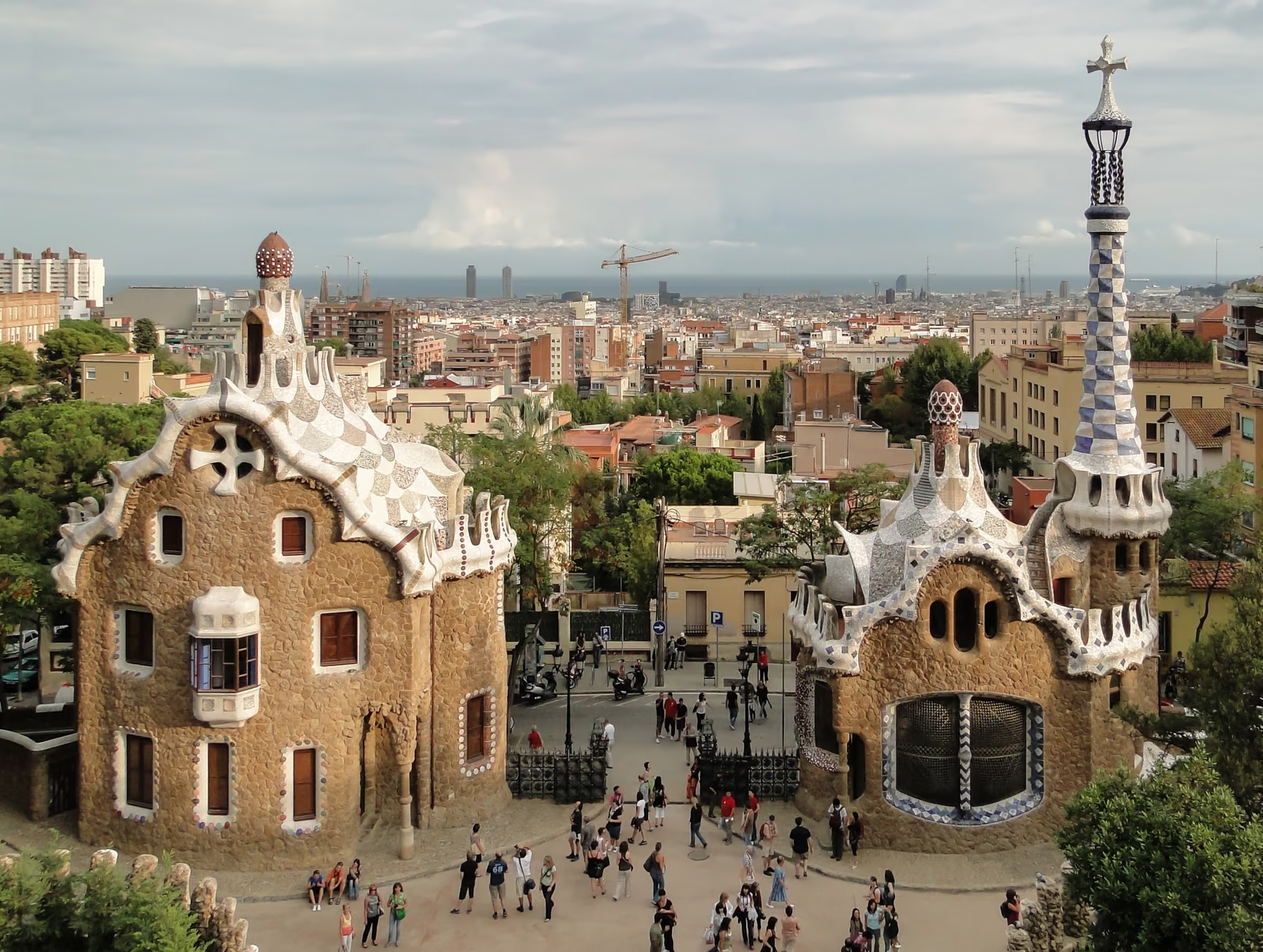
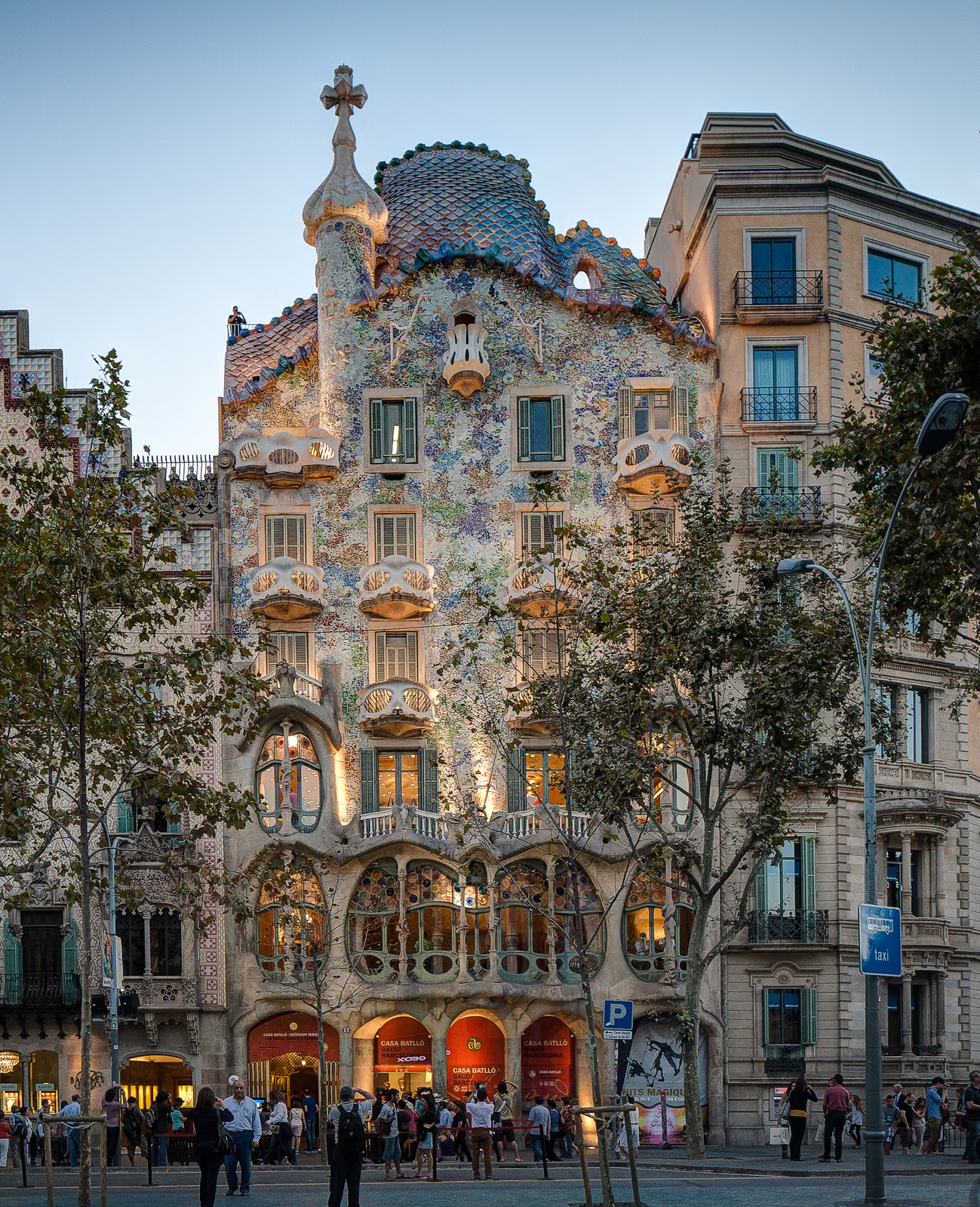
Gaudí is usually filed under Art Nouveau, which is accurate about the decade and misleading about the method. Where his European contemporaries drew curves, he derived them: catenary arches found by hanging weighted strings upside down, ruled surfaces generated from straight lines, warped ceramic mosaic used because broken tile is the only cladding that will follow a doubly curved wall. From Casa Vicens in 1883 he worked almost entirely for a Catalan industrial bourgeoisie — the Güell and Milà commissions — while the Sagrada Família, taken over in 1883 and unfinished at his death in 1926, absorbed his last twelve years entirely. Seven of his works are inscribed as a UNESCO World Heritage Site. He was run over by a tram in Barcelona and, unrecognised, taken to a paupers’ hospital.