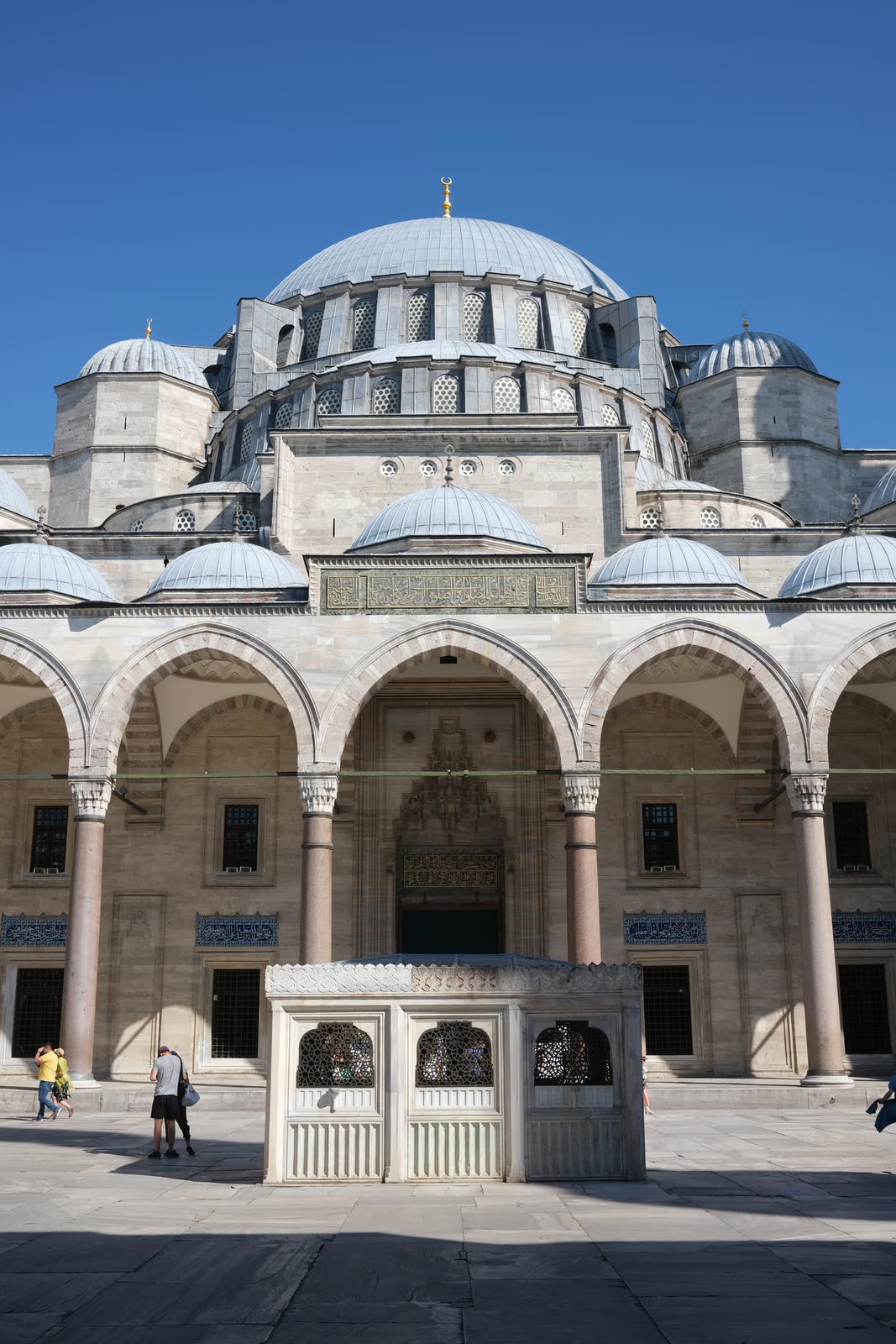
Süleyman the Magnificent gave Sinan a hill above the Golden Horn and a budget to match an empire at its widest extent, and the result is less a single mosque than a small planned city: madrasas ranged around the courtyard for four schools of Islamic law, a hospital, a soup kitchen feeding the poor daily, a caravanserai, baths and shops whose rents endowed the whole foundation. The mosque itself carries a central dome 26 metres across on four monumental piers, propped by cascading semi-domes to east and west in a system directly descended from Hagia Sophia, which stands across the city and which Sinan studied for decades. Sinan called it his journeyman work, the middle term between the Şehzade Mosque's apprentice-level solution and the Selimiye's mastery three decades later. He is buried, along with his patron, in the mosque's own precinct. UNESCO inscribed the complex within the Historic Areas of Istanbul in 1985.
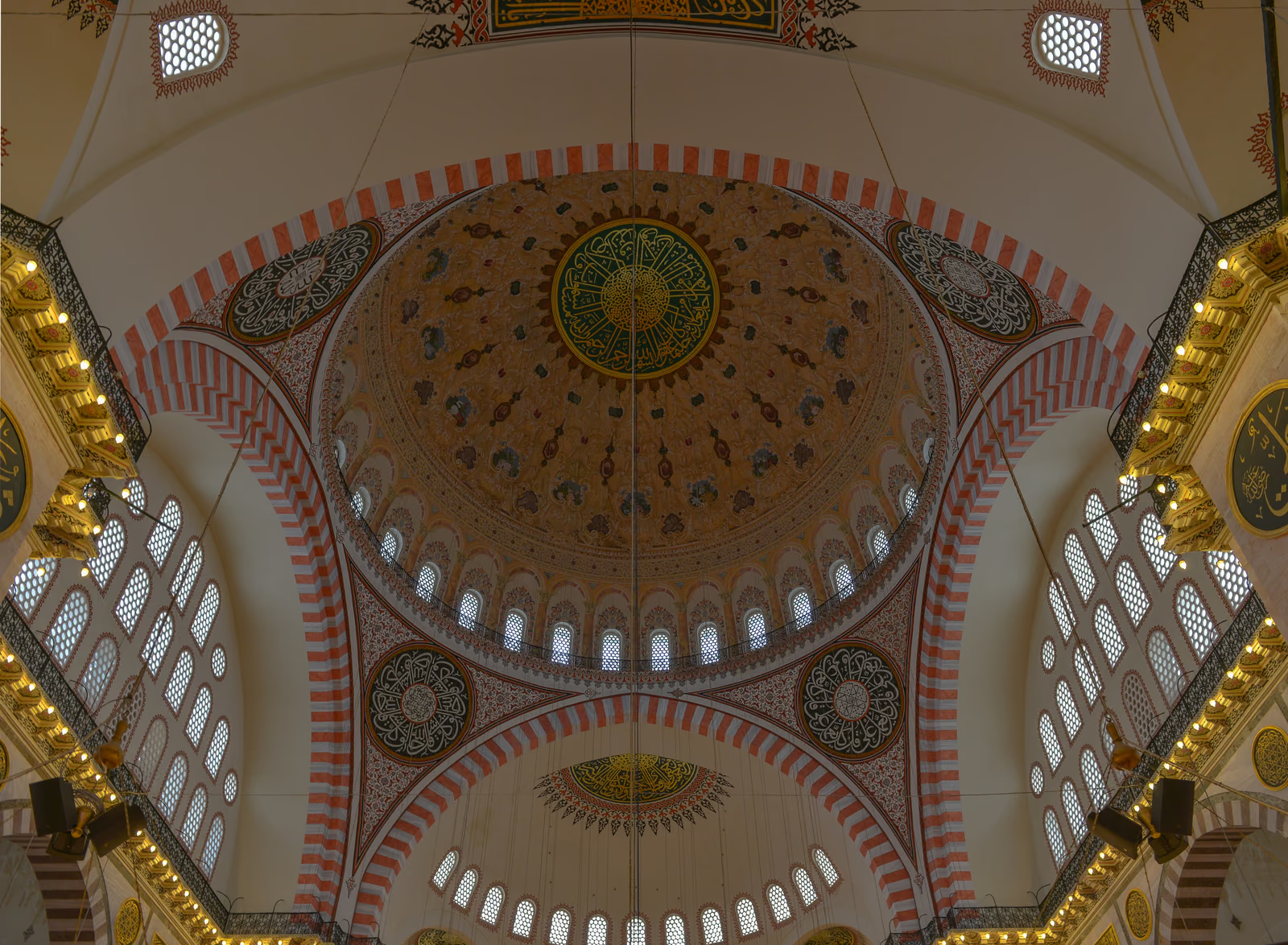
Wikidata Q178643 · Commons: File:Süleymaniye Camii 2022.jpg · Photo: Dursun Sülük · Licence: CC BY-SA 4.0