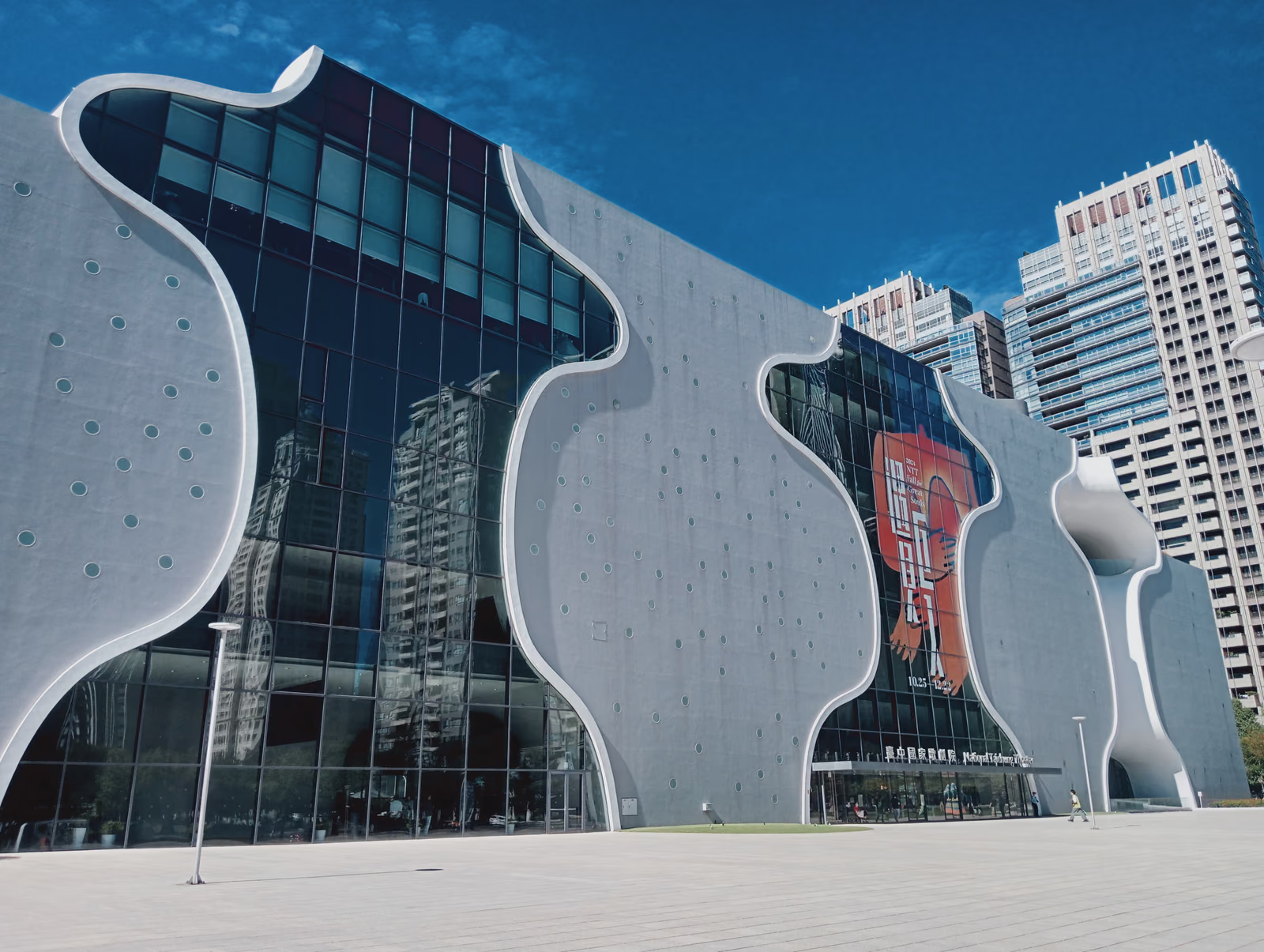
Ito's 2005 competition entry proposed doing away with the flat wall altogether. The building's public spaces are formed by a lattice of doubly curved concrete surfaces — Ito called the resulting caves and grottoes an 'emergent grid,' popularly shortened to 'sound cave' — that thread the lobbies of three separate auditoria, a 2,014-seat grand theatre, a mid-sized playhouse and a black-box space, into a single continuous volume with no repeated formwork panel anywhere. Realising it required Arup's engineers, led by Cecil Balmond, to develop a construction method combining steel reinforcement cages with sprayed concrete, built in sections over roughly six years against repeated technical delays. Taichung broke ground in 2010; the theatre opened to the public in stages from late 2014, reaching full operation in 2016. Ito has described the building as an attempt to make architecture behave like a cave dweller's terrain rather than a stacked structure of rooms — visitors move through curved openings rather than doors.
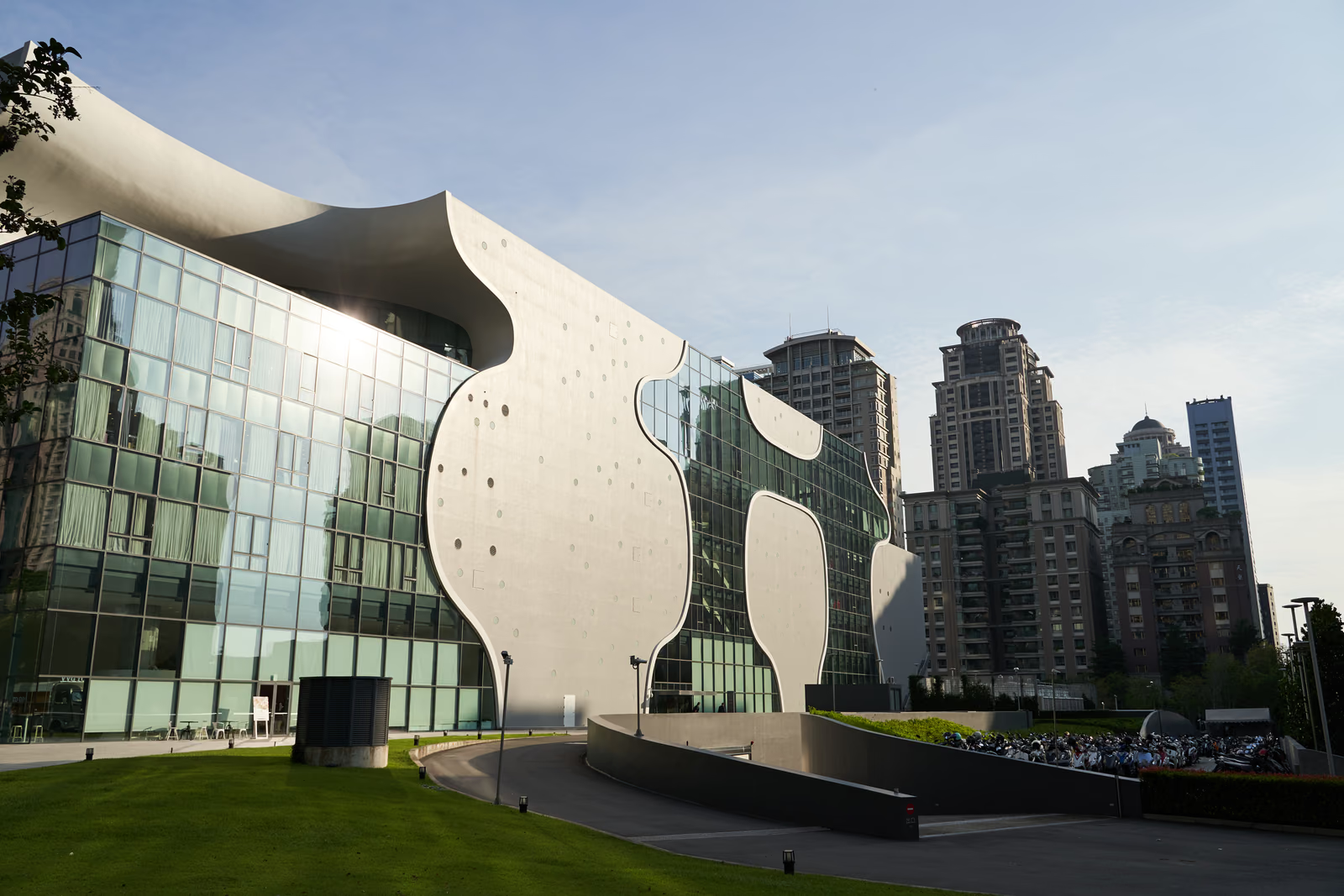
Wikidata Q555338 · Commons: File:National Taichung Theater, Nov 2024 (2).jpg · Photo: Ralff Nestor Nacor · Licence: CC BY-SA 4.0