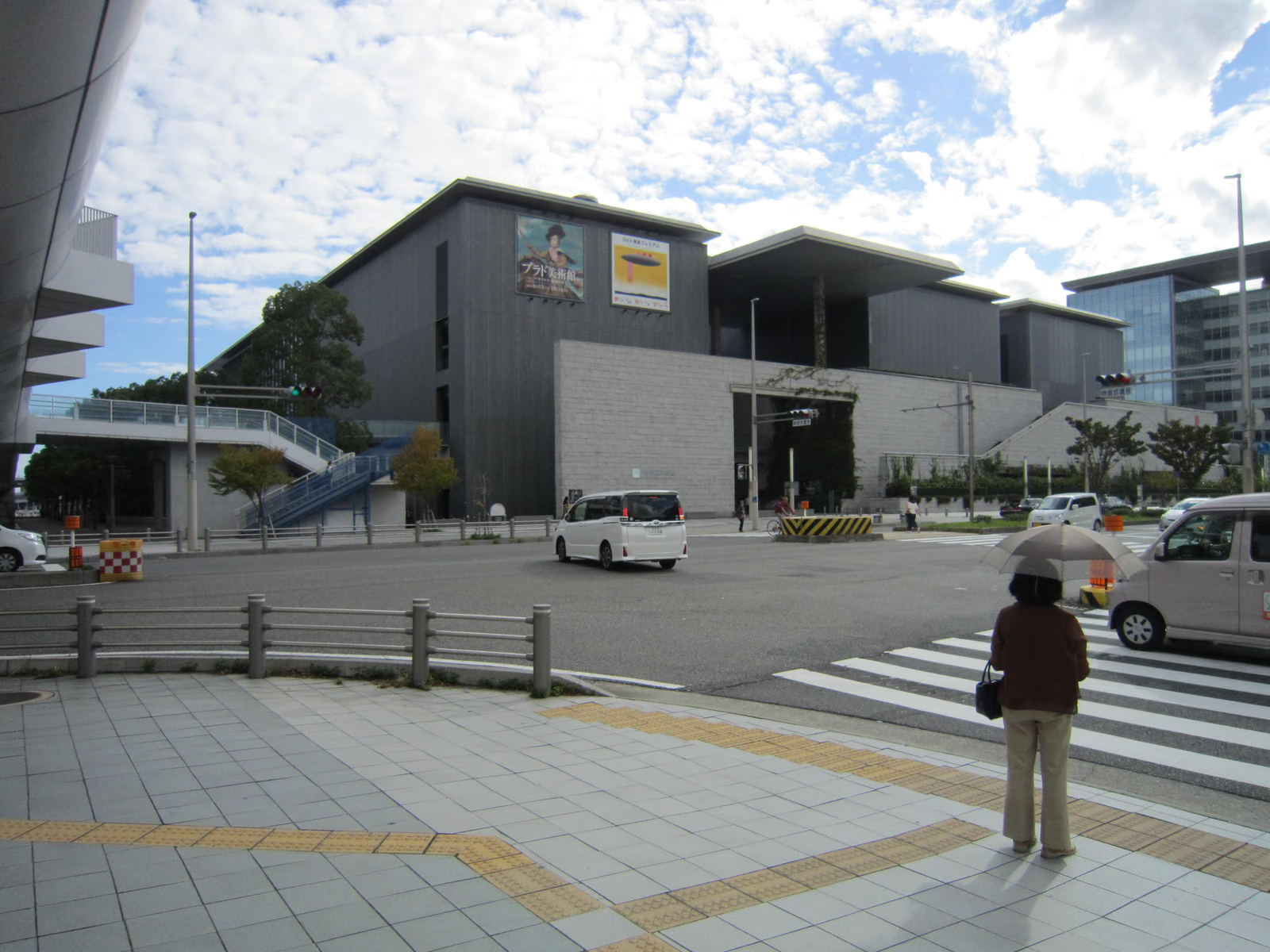
The Hyōgo prefectural government held an international competition to replace its earthquake-damaged Museum of Modern Art, and Ando's winning scheme became a deliberate symbol of Kobe's recovery from the 1995 Great Hanshin earthquake. The building is a double-skin construction: solid, fair-faced concrete volumes housing the galleries are wrapped, at a distance, in an outer wall of glass and steel, so a visitor crosses a covered gap between the two before reaching the collection proper. A spiral stair pulls light down through the gap from a rooftop opening, and a long external ramp — one of Ando's recurring devices — runs the length of the harbourside elevation, framing views out to Osaka Bay rather than the museum itself. It stands in HAT Kobe, a district rebuilt after the earthquake for exactly this purpose, and inherited its predecessor's roughly 13,000-work collection of modern and contemporary Japanese and international art. Opened in April 2002, it also houses a dedicated gallery of Ando's own models and drawings.
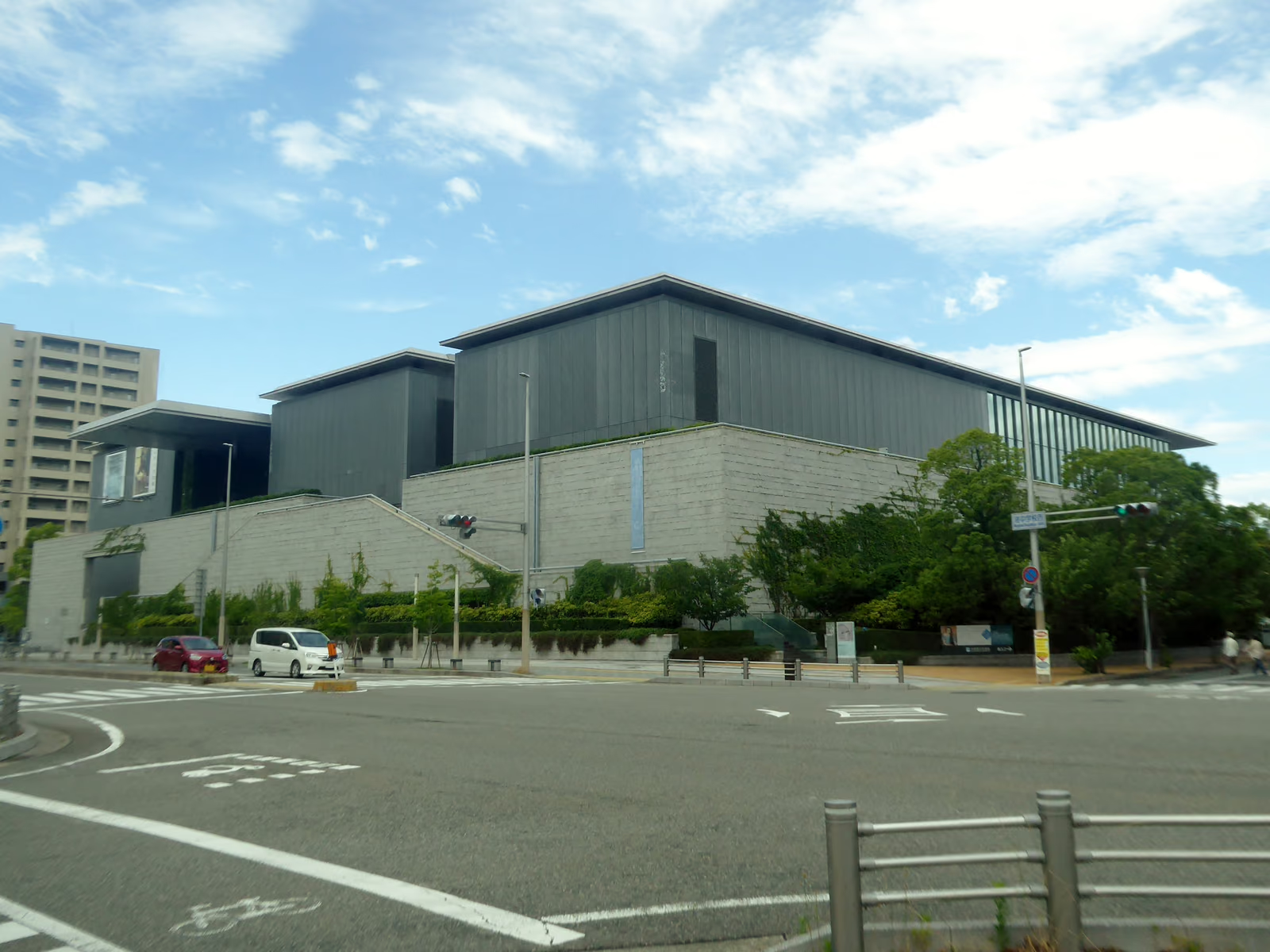
Wikidata Q3329607 · Commons: File:Hyogo Prefectural Museum of Art oct 2018.jpg · Photo: Chacmool · Licence: CC BY-SA 4.0