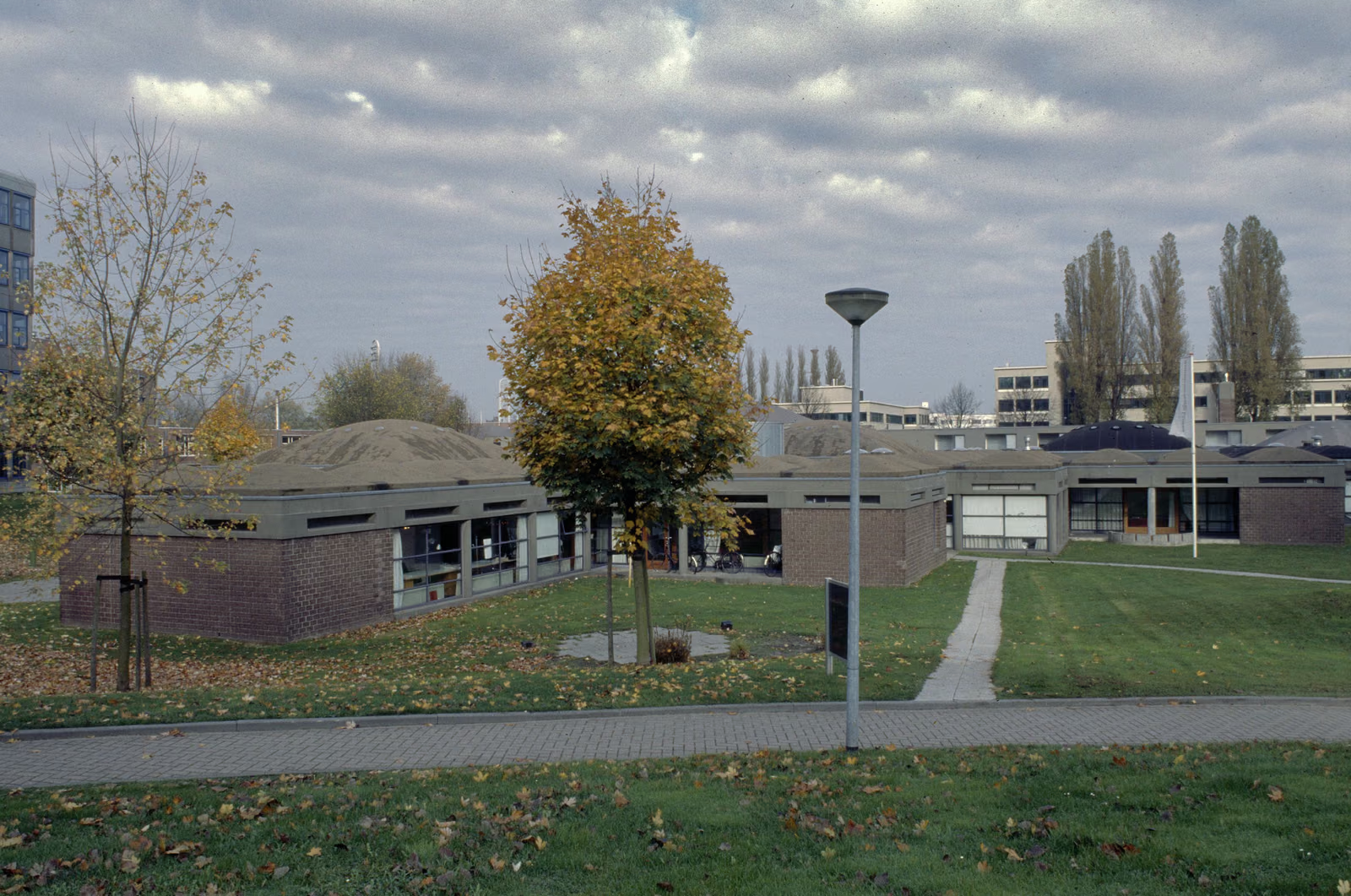
Van Eyck had spent a decade building playgrounds in bomb sites when Amsterdam asked him for an orphanage, and he refused to design an institution. Instead he laid out a low, almost single-storey settlement: 328 small precast domes on a square grid, gathered into eight houses for eight age groups, each with its own kitchen, its own courtyard and its own front door onto an internal street. Nothing is a corridor; every route is a place, and the joints between the units are treated as thresholds — a step, a low wall, a circular sitting pit — rather than as doorways. The building was the founding text of Dutch Structuralism and the point at which the Team 10 argument against functionalist planning became something you could stand inside. It was threatened with demolition in the 1980s, saved after an international campaign, and listed in 2014.
Wikidata Q2787387 · Commons: File:Overzicht - Amsterdam - 20355871 - RCE.jpg · Photo: Gerard Dukker · Licence: CC BY-SA 4.0