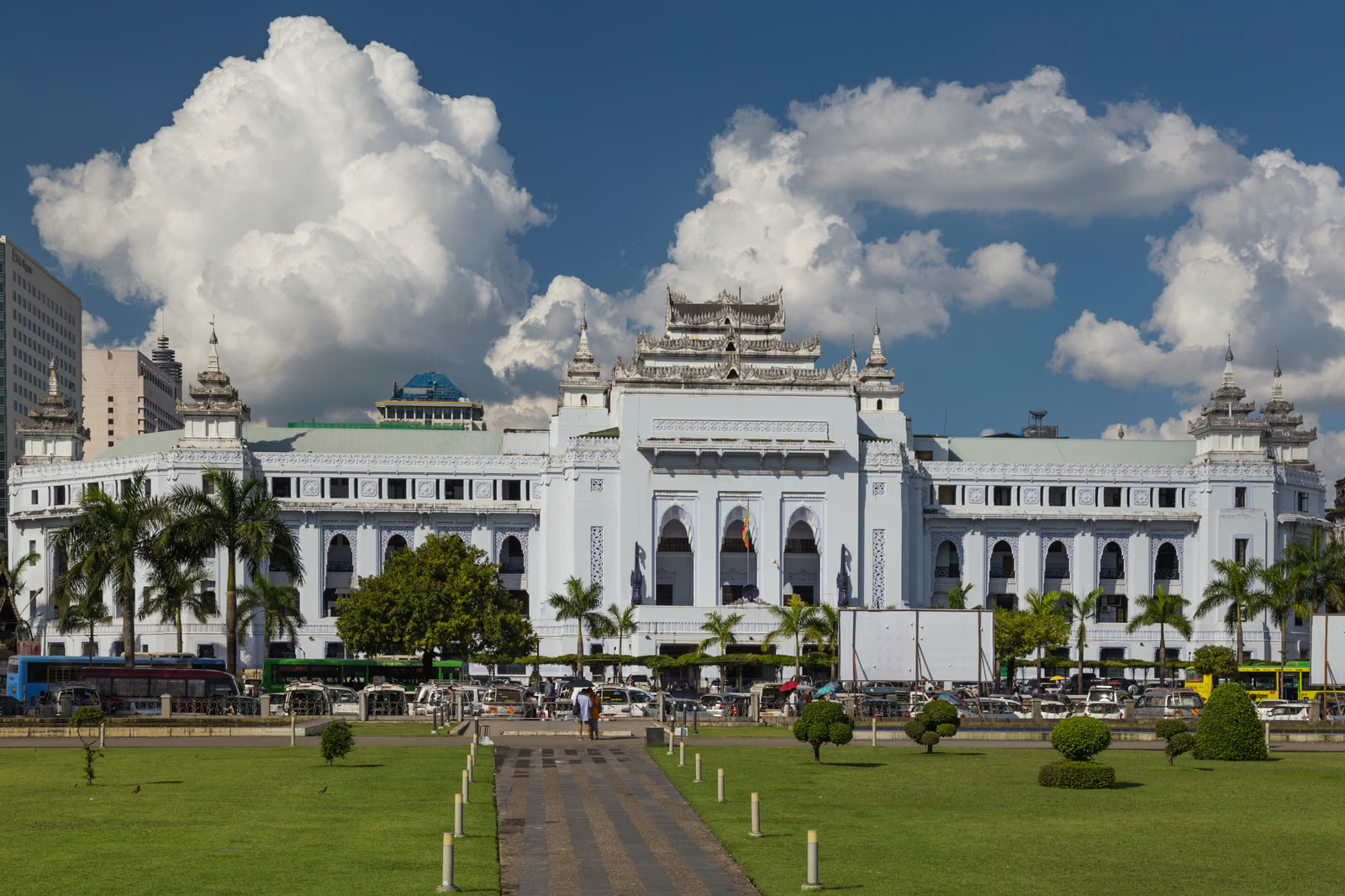
U Tin was the Burmese architect and engineer who gave colonial Rangoon its most conspicuously Burmese public buildings. Working inside a British administration whose civic architecture was otherwise imported wholesale from London and Calcutta, he fitted tiered pyatthat roofs, peacock reliefs and naga balustrades onto reinforced-concrete frames of entirely modern construction. Yangon City Hall, begun in 1926 and finished in 1936, is the fullest statement of that syncretism; Yangon Central Railway Station and Myoma High School belong to the same argument. The honorific Sithu was conferred on him. His work is now the anchor of Yangon’s heritage list, and the reason the city’s colonial core does not read simply as a British transplant.