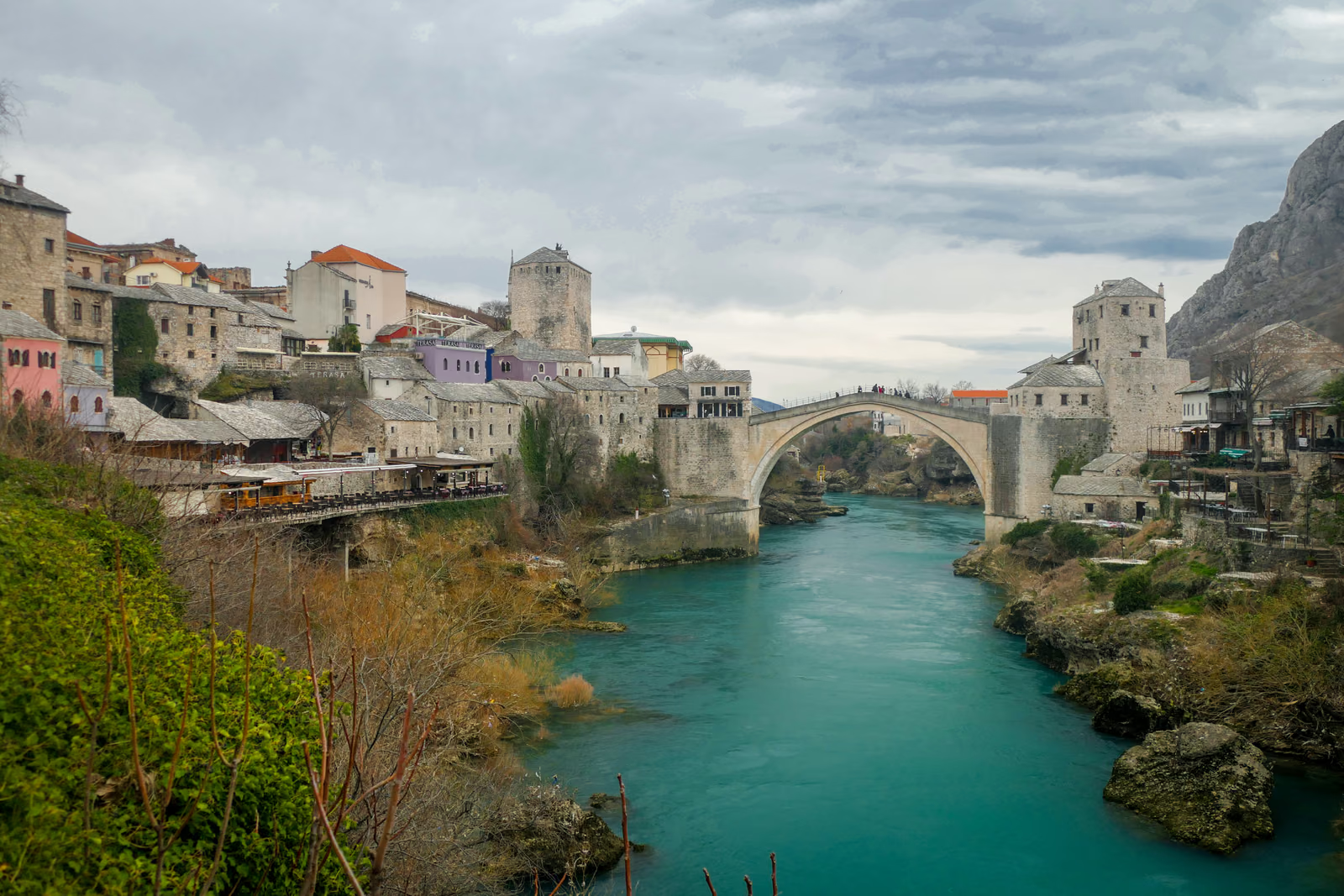
Almost nothing survives about Hayruddin except one bridge and the tradition attached to it. Ottoman sources name him an apprentice of Mimar Sinan, the chief court architect whose office standardised imperial building across the empire, and record that Suleiman the Magnificent sent him to Mostar in 1557 to replace a swaying wooden suspension crossing over the Neretva. The single stone arch he raised there was, on completion, among the widest ever built. The best-known story about him — that he made arrangements for his own funeral on the day the centring was struck, expecting the span to fall and his execution to follow — is legend rather than record, but it has attached itself so firmly to the bridge that the two are told together. No other work is securely attributed to him.